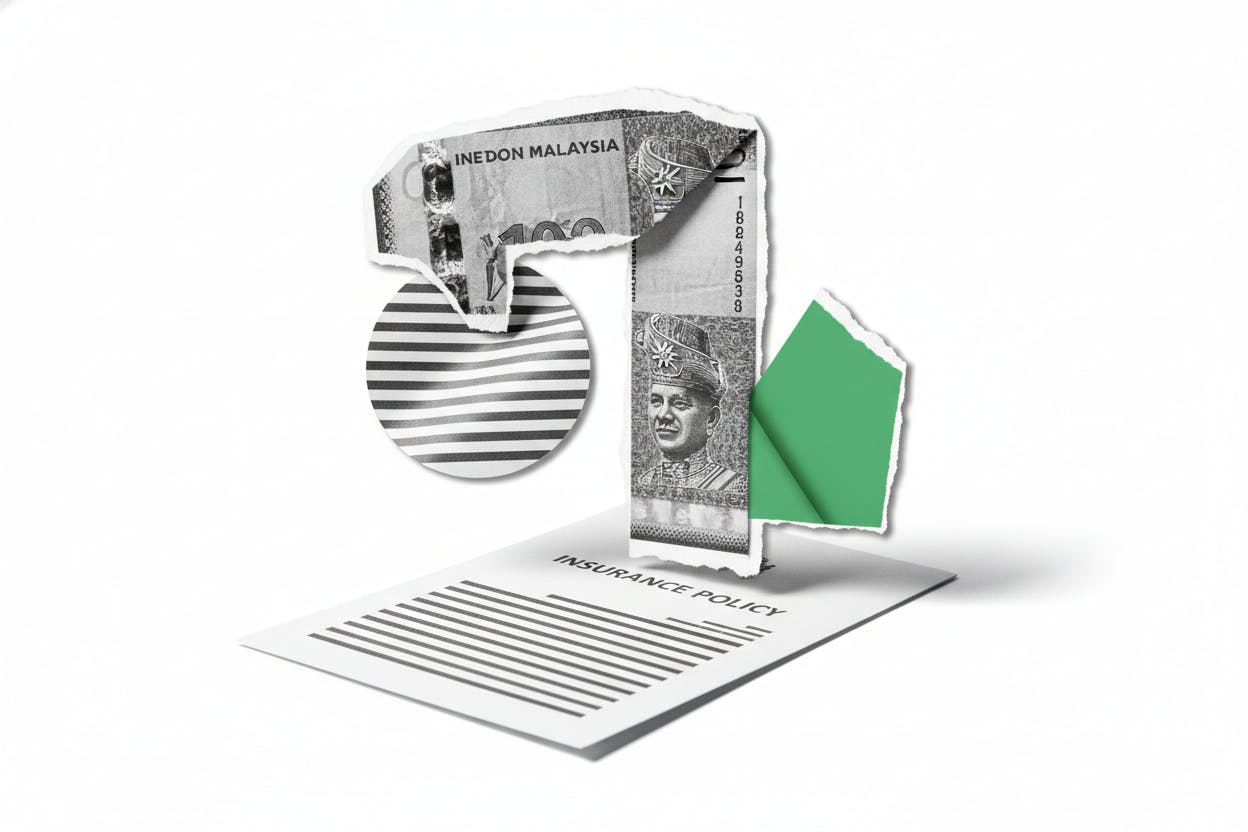
Malaysia's biggest lender, Maybank, has agreed to buy out Belgian insurer Ageas and take full control of its Etiqa insurance arm. The bank will pay 4.8 billion ringgit (about $1.1 billion) for the remaining 30.95% stake it does not already own, a move that signals confidence in selling more insurance and takaful products through its extensive Southeast Asian branch network.
What's happening
Maybank already owns 69.05% of Maybank Ageas Holdings, the entity that houses Etiqa's insurance and takaful (Shariah-compliant insurance) businesses in Malaysia and Singapore. The deal values the remaining stake at 4.8 billion ringgit, but the price adjusts to 4.83 billion ringgit after a proposed 800 million ringgit dividend paid at completion. Of that dividend, 552 million ringgit would flow back to Maybank and 248 million to Ageas.
Management says Etiqa has been growing faster than its markets, and full ownership should allow the bank to integrate insurance more deeply into its banking operations. This is a common strategy for banks: selling insurance products to existing customers through branches can be a high-margin, low-cost way to boost revenue.
Why it matters
For Maybank, the deal is a bet that it can cross-sell more insurance and takaful to its millions of customers across Southeast Asia. Takaful is a form of insurance that complies with Islamic law, and it is a growing market in the region, particularly in Malaysia and Indonesia.
By owning 100% of Etiqa, Maybank can keep all the profits and have more flexibility to invest in the business. It also removes the need to negotiate with a minority partner on strategic decisions.
For Ageas, the sale is a strategic exit from a joint venture that may no longer fit its focus. The Belgian insurer will receive cash that it can redeploy elsewhere.
What it means for investors
For everyday investors, this deal is a reminder that banks are increasingly looking to insurance as a stable source of fee income. Insurance premiums are less volatile than lending income, which can be hit by interest rate changes or loan defaults.
Maybank's move is also a sign that Southeast Asian financial institutions are consolidating to gain scale. Similar trends are visible in other markets, as seen in ICE's acquisition of MarketAxess to streamline bond trading, and KKR's reported deal for Integer in the medical-device space. These deals show that companies are willing to pay up for businesses they believe can grow faster under full ownership.
Investors should watch how Maybank funds the acquisition. If it uses cash, it could reduce its capital buffer, which might affect dividends. If it borrows, it could increase its debt load. The bank has not yet detailed its financing plans, but analysts will be looking at the impact on its capital ratios.
The bigger picture
Insurance penetration in Southeast Asia remains relatively low compared to developed markets, which means there is room for growth. As incomes rise and populations age, demand for life insurance, health coverage, and retirement products is expected to increase.
Maybank's branch network gives it a distribution advantage. Many customers in the region still prefer to buy financial products in person, and a bank branch is a trusted place to do so. By owning Etiqa outright, Maybank can push its products more aggressively.
The deal also highlights the growing importance of takaful. With a large Muslim population in Malaysia and Indonesia, Shariah-compliant insurance is a fast-growing niche. Maybank is positioning itself to capture that demand.
Risks to consider
Buying out a minority partner is not without risks. The price may be seen as high if Etiqa's growth slows. Also, integrating a fully owned insurance arm into a bank can be complex, requiring changes to systems, culture, and management.
There is also regulatory approval to consider. The deal will likely need clearance from Malaysian and Singaporean regulators, which could take several months. Any delays could affect the timeline.
For investors, the key question is whether the acquisition will boost earnings per share. If the deal is accretive—meaning it adds to earnings—it could be positive for the stock. If it dilutes earnings, it might be viewed negatively.
Maybank's management has expressed confidence that Etiqa's growth will continue. The bank's decision to pay a premium for full control suggests it sees long-term value in the insurance business.
As with any major acquisition, investors should monitor the deal's progress and the bank's subsequent financial results. The success of this move will depend on execution—whether Maybank can truly leverage its branches to sell more insurance and takaful.
In the meantime, the deal is a clear signal that Maybank is betting on the region's financial services growth. For those watching Southeast Asian markets, it's a development worth tracking.