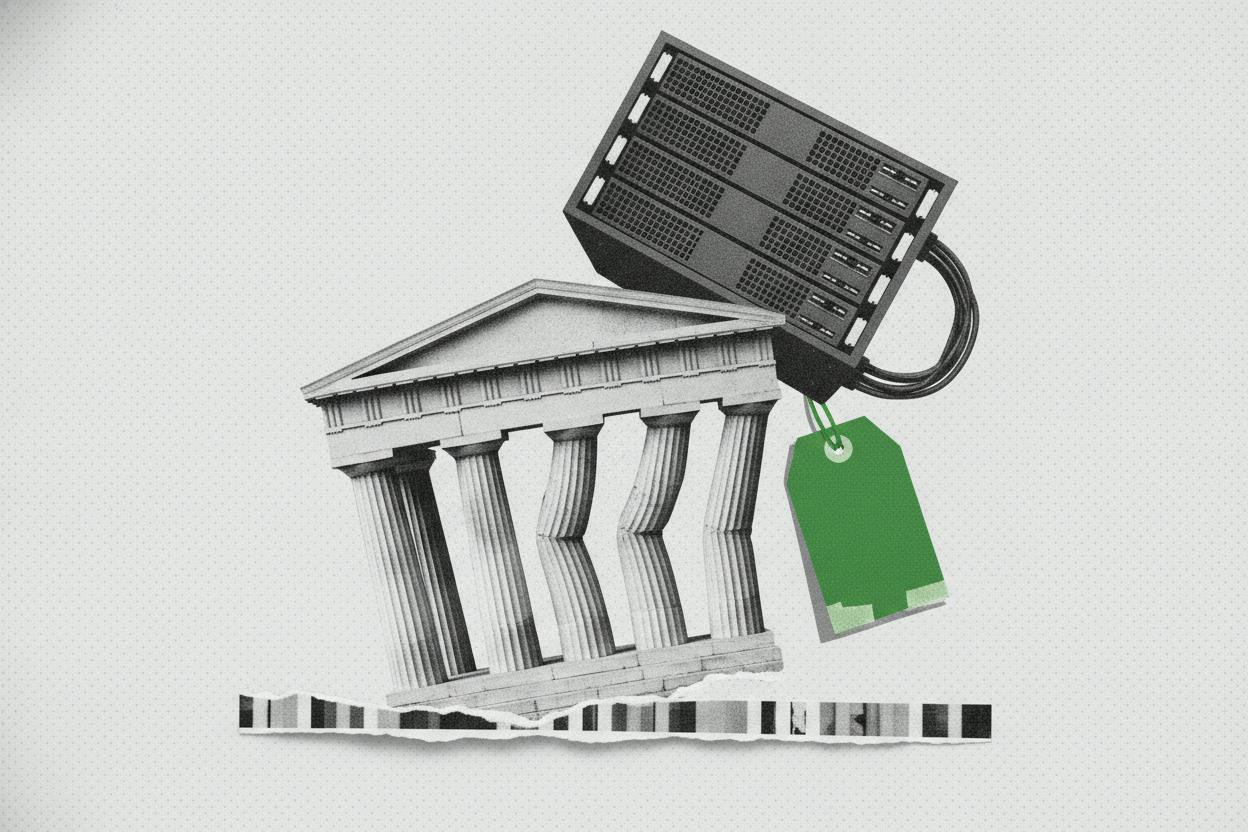
Wall Street got a fresh case of “AI capex sticker shock” this week after Meta Platforms said building the next wave of artificial intelligence could require “hundreds of billions” of dollars. The revelation sent Meta's shares down nearly 7% and triggered a broad rush into safe-haven government bonds, pushing the yield on the 10-year US Treasury down 19 basis points — its biggest daily drop since early 2023.
What happened
Meta's comments, made during its latest earnings call, underscored the enormous scale of investment that tech giants are committing to AI infrastructure. The company's language — “hundreds of billions” — was notably more aggressive than previous guidance, and investors reacted by selling tech stocks and buying bonds.
The move in Treasuries was striking: a 19-basis-point drop in the 10-year yield is a large daily swing, reflecting a sudden shift in sentiment. When investors buy Treasuries, prices rise and yields fall, often signaling that they are seeking safety or expecting slower economic growth.
Why it matters
Reuters columnist Wayne Cole argues that the market's reaction was less about one earnings print and more about the financing reality behind the AI buildout. The computing capacity, data centers, and power required to run advanced AI systems are enormously expensive, and companies like Meta are signaling that they will need to raise substantial capital to fund these projects.
That prospect raises a key question for investors: if AI leaders need to borrow heavily or issue new shares, what does that mean for their existing shareholders? The jitters spread beyond Meta to other AI infrastructure names, as investors worried that the entire sector could face similar funding pressures.
What it means for investors
For everyday investors, this episode is a reminder that the AI boom comes with a price tag. While AI stocks have been among the market's biggest winners in recent years, the spending required to stay competitive is enormous. Companies that can fund that spending from their own cash flow may be in a better position than those that need to tap debt markets.
The Treasury yield drop also has broader implications. Lower yields can reduce borrowing costs for companies and consumers, but they can also signal that investors are worried about economic growth. If AI spending fears persist, we could see more volatility in both stocks and bonds.
Investors should watch how other tech giants frame their own AI spending plans in upcoming earnings calls. If more companies echo Meta's “hundreds of billions” language, the market may continue to reassess the cost of the AI revolution.



