Mexico's inflation continued its downward trend in June, falling to an annual rate of 3.37% — lower than economists had predicted and the slowest pace since December 2020. The data, released by the country's statistics agency, comes just after the Bank of Mexico (Banxico) held its benchmark interest rate steady at 6.5% late last month.
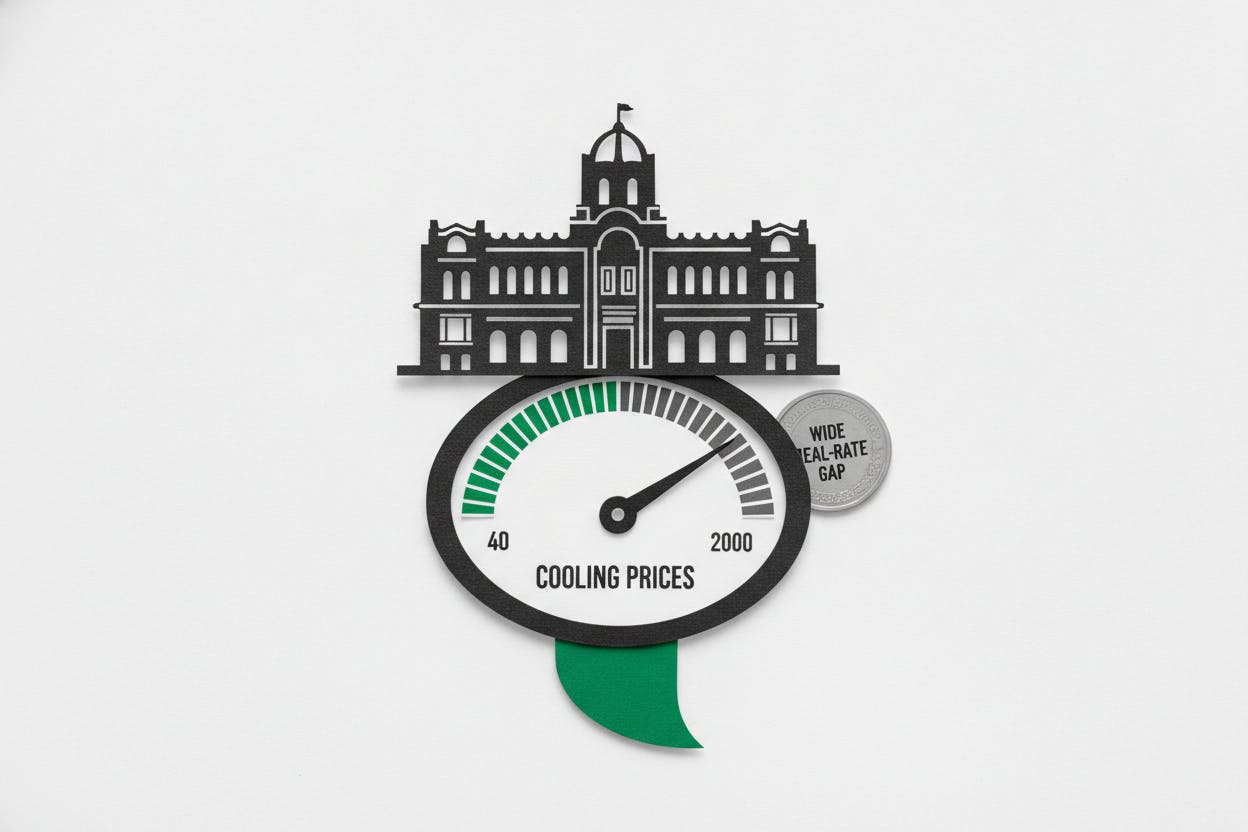
The latest reading marks the third consecutive month of cooling price pressures. In May, annual inflation stood at 3.94%. Economists polled by Reuters had expected June's figure to come in at 3.52%, making the actual result a clear downside surprise. On a month-over-month basis, prices actually fell in June, a rare occurrence that underscores the easing of cost pressures across the economy.
Core Inflation Remains Sticky
While the headline number is encouraging, Banxico will be closely watching core inflation — a measure that strips out volatile items like food and energy. Core inflation rose less than forecast in June but remains elevated at 4.03%. That's still above the central bank's target range of 2% to 4%, suggesting that underlying price pressures have not fully subsided.
Core inflation is often seen as a better gauge of long-term trends because it filters out temporary swings. The fact that it remains above 4% means Banxico is unlikely to rush into cutting rates, even as headline inflation cools. The central bank has been cautious throughout 2024, keeping its key rate at 6.5% since March after a series of cuts in 2023.
What This Means for Investors
For everyday investors, the inflation data is a double-edged sword. Lower inflation is generally positive for bond prices, as it reduces the risk that the central bank will need to hike rates further. Mexican government bonds, known as bonos, could see increased demand if investors anticipate rate cuts down the road. That would push bond prices up and yields down.
On the other hand, the stickiness of core inflation means Banxico is likely to keep rates higher for longer than some had hoped. That could weigh on economic growth and corporate profits, particularly for companies that rely on borrowing. Mexican stocks, as measured by the IPC index, have been volatile this year as investors weigh the impact of high rates on consumer spending and business investment.
For investors with exposure to Mexico through exchange-traded funds (ETFs) or individual stocks, the key takeaway is that the path to lower rates remains uncertain. A rate cut could boost equities by lowering borrowing costs and stimulating the economy, but it's not guaranteed until core inflation moves decisively lower.
Broader Context: Central Banks in Focus
Mexico's inflation story is part of a global trend. Central banks around the world, from the Federal Reserve to the European Central Bank, have been grappling with how quickly to ease monetary policy as inflation cools. In Asia, for example, Malaysia recently held its key rate at 2.75% for the sixth consecutive meeting, citing moderate inflation. Similarly, the Bank of England is watching UK pay deals, which have held at 3.5%, as it assesses price pressures.
Banxico's next policy meeting is scheduled for August. The June inflation data gives the central bank more room to consider a cut, but the elevated core reading will likely keep policymakers cautious. Investors will be watching for any hints in the central bank's statement about the timing of future moves.
What to Watch Next
In the near term, all eyes will be on Mexico's July inflation data, due in August, and on Banxico's next rate decision. If headline inflation continues to fall and core inflation shows signs of easing, a rate cut could come as early as September. That would be a significant shift for a central bank that has been one of the more hawkish in Latin America.
For now, the message for investors is clear: Mexico's inflation is moving in the right direction, but the central bank is in no hurry to declare victory. Patience remains the watchword.