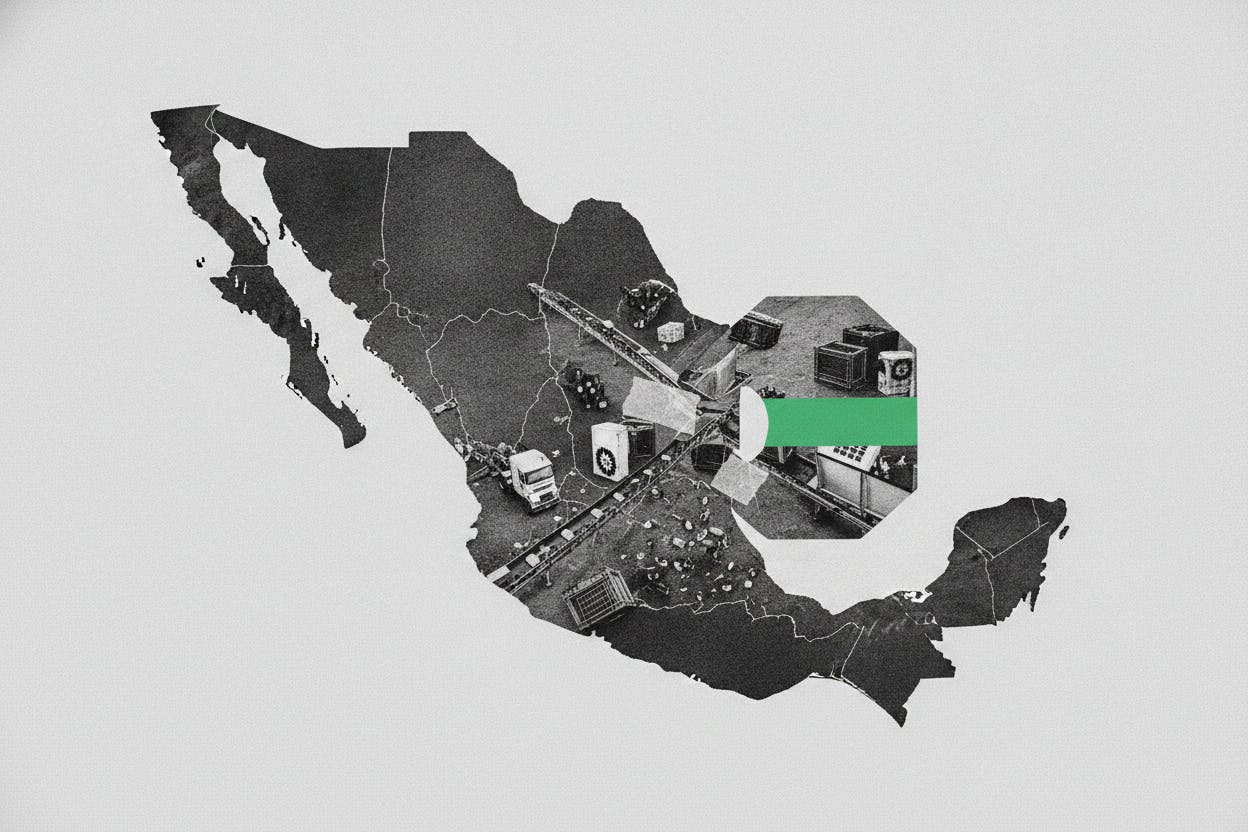
The majority owner of SuKarne, one of Mexico's biggest meat exporters, is reportedly exploring a sale that could value the company at more than $2 billion, according to Reuters. The owner is working with Rabobank, a Netherlands-based bank specializing in food and agriculture, and BBVA, a Spanish banking giant, to weigh options. A deal is not guaranteed, but the news highlights the growing consolidation in North America's protein industry.
Who is SuKarne?
SuKarne is a major player in Mexico's protein supply chain, producing and exporting beef, pork, and chicken. The company sits at the center of Mexico's meat industry, supplying domestic markets and shipping products to international buyers, including the United States and Asia. Its scale makes it a key link between Mexican livestock farmers and global consumers.
The potential sale comes as the North American animal-protein sector is already dominated by a handful of giants, including Tyson Foods, Cargill, Brazil-based JBS, and National Beef Packing Co. A SuKarne sale could reshape the competitive landscape, giving a new owner a significant foothold in the Mexican market and export channels.
Why is this happening now?
While the brief doesn't specify the owner's motivation, companies in this position often consider sales to unlock value, raise capital, or allow founders to cash out. The involvement of Rabobank and BBVA—both with deep expertise in food and agriculture—suggests a serious, structured process. Rabobank, in particular, is known for financing and advising agribusiness deals globally.
The timing also matters. Global meat demand has been volatile, with prices influenced by feed costs, trade policies, and disease outbreaks. Mexico's proximity to the U.S. market and its growing middle class make its protein sector attractive to international investors looking for stable, long-term demand.
What does this mean for investors?
For everyday investors, a potential SuKarne sale is a reminder that consolidation is reshaping the food industry. If a deal goes through, it could affect meat prices, supply chains, and the competitive dynamics for listed companies like Tyson Foods or JBS. Investors in those stocks should watch for any regulatory scrutiny or strategic shifts that might follow.
However, it's important to note that this is still a potential sale, not a done deal. Deals of this size can fall through over price, financing, or regulatory hurdles. Investors should avoid making decisions based on speculation and instead focus on the fundamentals of any company they own.
Broader context: M&A activity
The SuKarne news comes amid a broader wave of merger and acquisition activity across industries. Recent examples include KKR's $5.7 billion cash deal for Integer Holdings and Visa's $2.4 billion acquisition of fraud firm BioCatch. While these deals are in different sectors, they reflect a trend of companies using M&A to expand or consolidate.
In the food and agriculture space, deals like this can be particularly significant because they affect what we eat and how much it costs. For investors, keeping an eye on M&A trends can offer clues about where industries are heading.
What to watch next
Investors should monitor any official announcements from SuKarne or its advisors. Key questions include: Who might be the buyer? Would a deal face antitrust scrutiny? And how would it affect SuKarne's employees, suppliers, and customers?
For now, the story is a developing one. As with any major deal, the outcome will depend on negotiations and market conditions. Stay tuned for updates.