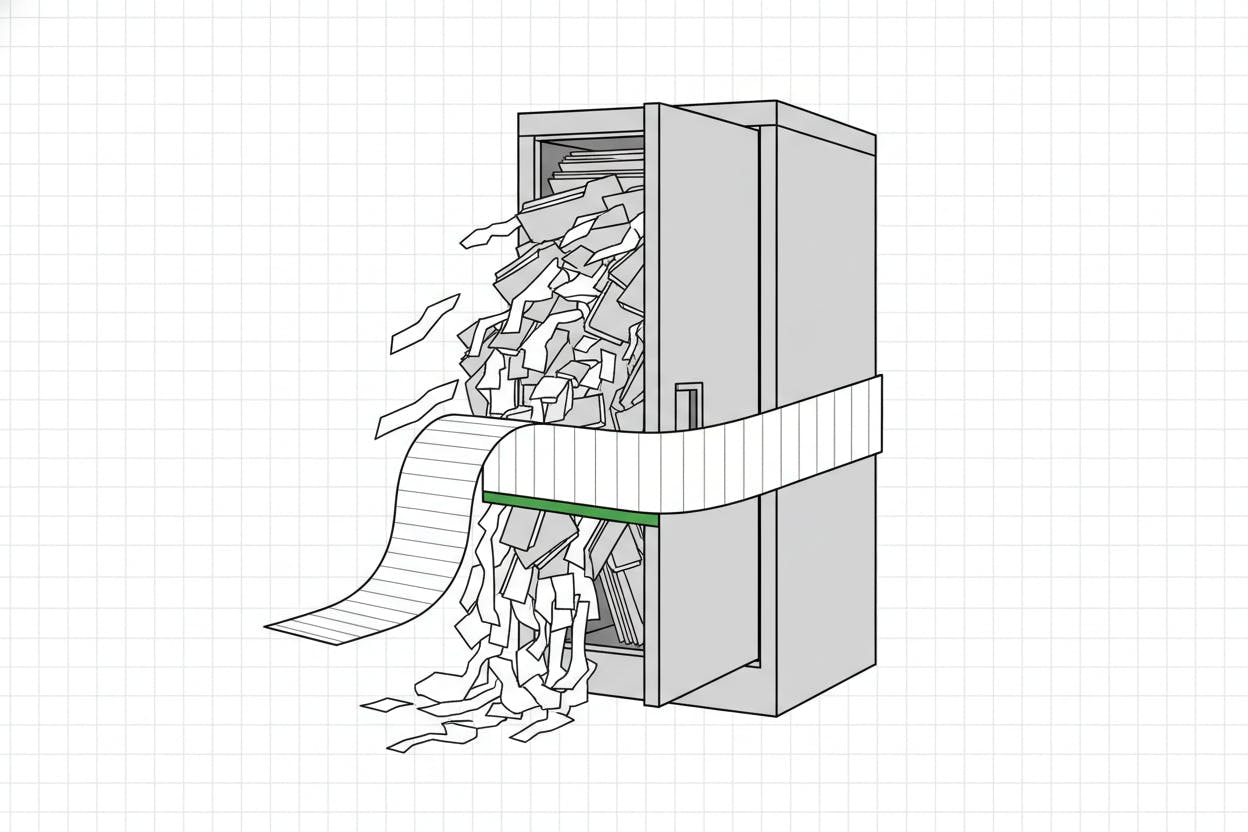
Micron Technology's memory chips are selling out faster than the company can make them, and Wall Street expects that imbalance to persist for years. In a new note, UBS Securities said demand for server memory is up roughly 80% from a year ago, and that supply could stay tight into mid-2028. That has investors looking past the next earnings report toward a different question: when will Micron start buying back more of its own stock?
Why memory is in such high demand
The surge traces back to the boom in artificial intelligence. Data centers that train and run AI models need vast amounts of memory to hold the data those models process. As companies pour money into AI infrastructure, they're snapping up every memory chip they can get. UBS says Micron is shipping close to everything it produces, a sign that the company is running at full capacity.
That dynamic isn't unique to Micron. The broader semiconductor industry has been riding a wave of AI-related demand, with Taiwan's factory output jumping sharply on the back of AI chip orders. Memory chips, in particular, have become a bottleneck because they're essential to every server and data center build-out.
UBS also projects that demand for solid-state storage chips—the kind used in high-performance drives—could more than double in 2027. That would add another layer of pressure on an already strained supply chain.
What tight supply means for Micron's business
When supply is tight, prices tend to rise. For a company like Micron, that's a double win: it sells more chips and gets higher prices for them. That's why the stock has been a favorite among investors looking to profit from the AI spending spree.
But there's a limit to how much Micron can benefit. Building new fabrication plants takes years and billions of dollars, so the company can't simply flip a switch to boost output. That's why UBS expects the tightness to last into mid-2028—it takes that long for new capacity to come online.
For investors, the key takeaway is that Micron's revenue and profit margins could stay elevated for an extended period. But the market is forward-looking, and with the stock already reflecting much of the good news, attention is shifting to what Micron will do with its growing cash pile.
The buyback question
UBS says bigger share repurchases are penciled in for fiscal Q2 2027. That's more than a year away, but it's a sign that Micron's management is thinking about returning cash to shareholders once the current capital-spending cycle winds down.
Buybacks are a way for a company to return value to investors by reducing the number of shares outstanding, which boosts earnings per share. They're often seen as a signal that management believes the stock is undervalued or that the company has more cash than it needs for growth investments.
Micron has done buybacks before, but it has also been spending heavily on new manufacturing capacity. The balance between investing for growth and returning cash is a classic tension for capital-intensive companies. UBS's note suggests that, by 2027, Micron may have enough free cash flow to do both.
What it means for investors
For everyday investors, the story here is about the durability of the AI-driven memory boom. If UBS is right, Micron's products will remain in short supply for years, which should support the company's financial results. That's a positive backdrop for the stock, though it's already priced in to some degree.
The buyback timeline is more of a long-term signal. It suggests that Micron's management expects the current boom to be sustainable, not just a short-term spike. If that holds, investors could see both earnings growth and a shrinking share count, which is a powerful combination.
But there are risks. Memory prices are notoriously cyclical, and a sudden drop in AI spending could reverse the tightness quickly. Also, competitors are racing to add capacity, which could eventually flood the market. Investors should watch for signs of softening demand or new supply announcements.
For now, the immediate focus is on Micron's next earnings report, where management may update its outlook on supply and demand. The buyback question, while important, is likely to remain a secondary theme until 2027 approaches.
In the meantime, the broader chip rally continues to lift markets, as seen in South Korea's KOSPI hitting a two-month high on chip strength. And with Asian currencies staying range-bound, the global ripple effects of the memory shortage are being felt far beyond Micron's own bottom line.
The bottom line
Micron's memory business is selling everything it can make, and UBS expects that to continue for years. The next big question is when shareholders will see the benefits in the form of larger buybacks. That answer may not come until fiscal 2027, but for patient investors, the wait could be worth it.