Microsoft is cutting about 4,800 jobs — roughly 2.1% of its global workforce — as the company's massive spending on artificial intelligence data centers squeezes its cash flow, according to a Reuters report. The layoffs mark the latest sign that even the world's most valuable companies are feeling the financial strain of the AI arms race.
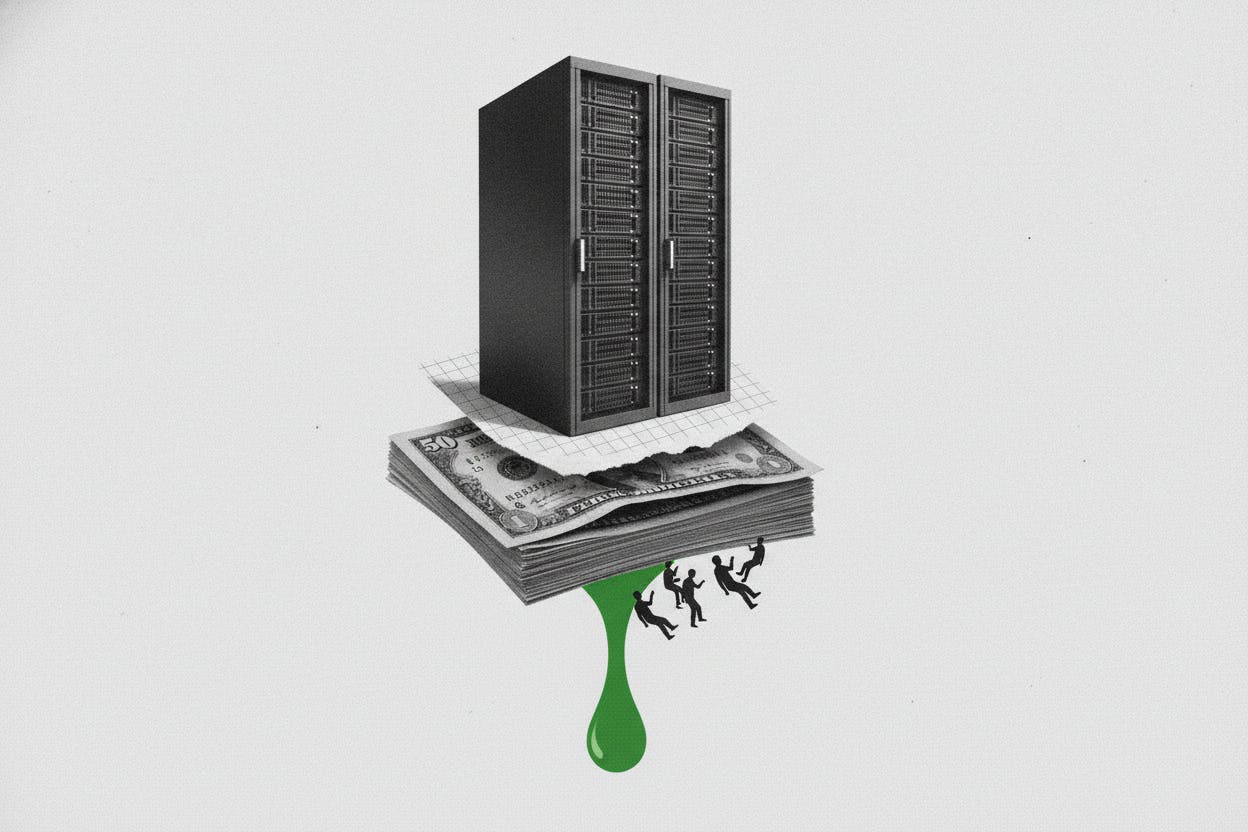
The job cuts come as Big Tech's combined AI-related capital expenditures are projected to approach $700 billion this year, a staggering sum that reflects the industry's bet that AI will reshape computing. But the upfront costs are enormous: building and equipping data centers with specialized chips, cooling systems and power infrastructure requires billions in spending before any revenue flows in.
Why Microsoft is cutting jobs while spending big on AI
Microsoft has been one of the most aggressive investors in AI, pouring money into data centers to support its partnership with OpenAI and to power AI features across its cloud and productivity software. The company's capital expenditures have surged, and that spending is now pressuring its cash flow — the lifeblood that funds operations, dividends and share buybacks.
Layoffs are a common way for companies to free up cash when capital spending is high. By trimming headcount, Microsoft can redirect savings toward its AI infrastructure without having to borrow more or cut shareholder returns. The cuts affect about 2.1% of Microsoft's roughly 228,000 employees, a relatively small slice but a significant signal that the company is tightening its belt.
The broader context: Big Tech's AI spending binge is unprecedented. Combined, the largest technology firms are on track to spend nearly $700 billion on AI-related projects this year, according to Reuters. That includes data center construction, chip purchases and energy costs. While companies like Microsoft, Google and Amazon expect AI to generate massive future revenue, the current cash outflows are real and immediate.
What this means for investors
For everyday investors, Microsoft's layoffs are a reminder that even the most dominant tech companies face trade-offs. Heavy capital spending can boost long-term growth but also strain short-term finances. When a company cuts jobs to fund infrastructure, it suggests management is prioritizing AI investment over maintaining current staffing levels.
Investors should watch Microsoft's cash flow statements closely in coming quarters. If cash from operations continues to decline while capital spending stays high, the company may need to slow its buyback program or take on more debt. On the other hand, if AI revenue starts to ramp up — particularly from its Azure cloud business and AI copilot products — the spending could prove well worth it.
The layoffs also highlight a broader trend across the tech sector: companies are reallocating resources from traditional roles to AI-focused positions. This doesn't necessarily mean tech employment is shrinking overall, but it does mean the mix of jobs is changing. Roles in data center operations, AI model training and cloud engineering are growing, while some administrative and non-core functions are being cut.
For context, other tech giants are making similar moves. Data center operators like Csquare are going public to raise capital for expansion, while chipmakers like SK Hynix are listing on U.S. exchanges to fund AI chip production. The entire AI supply chain is hungry for capital.
The bottom line
Microsoft's 4,800 job cuts are a small percentage of its workforce, but they carry an outsized message: the AI boom comes with real costs. For investors, the key question is whether the payoff will arrive before the spending becomes unsustainable. So far, the market has given Big Tech the benefit of the doubt, but earnings reports and cash flow updates will be the true test.
As always, diversification matters. No single company — not even Microsoft — is immune to the risks of over-investment or shifting priorities. Keeping a balanced portfolio that includes exposure to different sectors can help weather the ups and downs of the AI spending cycle.