Microsoft used an event in San Francisco to make a case that AI “agents”—software that can perform tasks on its own—should run on Windows PCs, not just in its Azure cloud. The company paired that pitch with new security tools and a high-end Surface Laptop Ultra built for on-device AI, highlighting both the promise and the cost of moving AI off the data center.
What’s happening?
Microsoft is trying to shift some AI workloads from its Azure data centers to powerful Windows computers. The idea is that customers buy the hardware, while Microsoft still controls the software layer. That’s a direct answer to Apple’s push to run more AI on Macs, where the company has emphasized on-device processing for privacy and speed.
The new Surface Laptop Ultra, priced at $2,599, is a clear example of how expensive local AI can be. It’s a premium machine designed to handle AI tasks without needing to send everything to the cloud. For everyday investors, that price tag is a reminder that on-device AI isn’t cheap—at least not yet.
Security guardrails for autonomous software
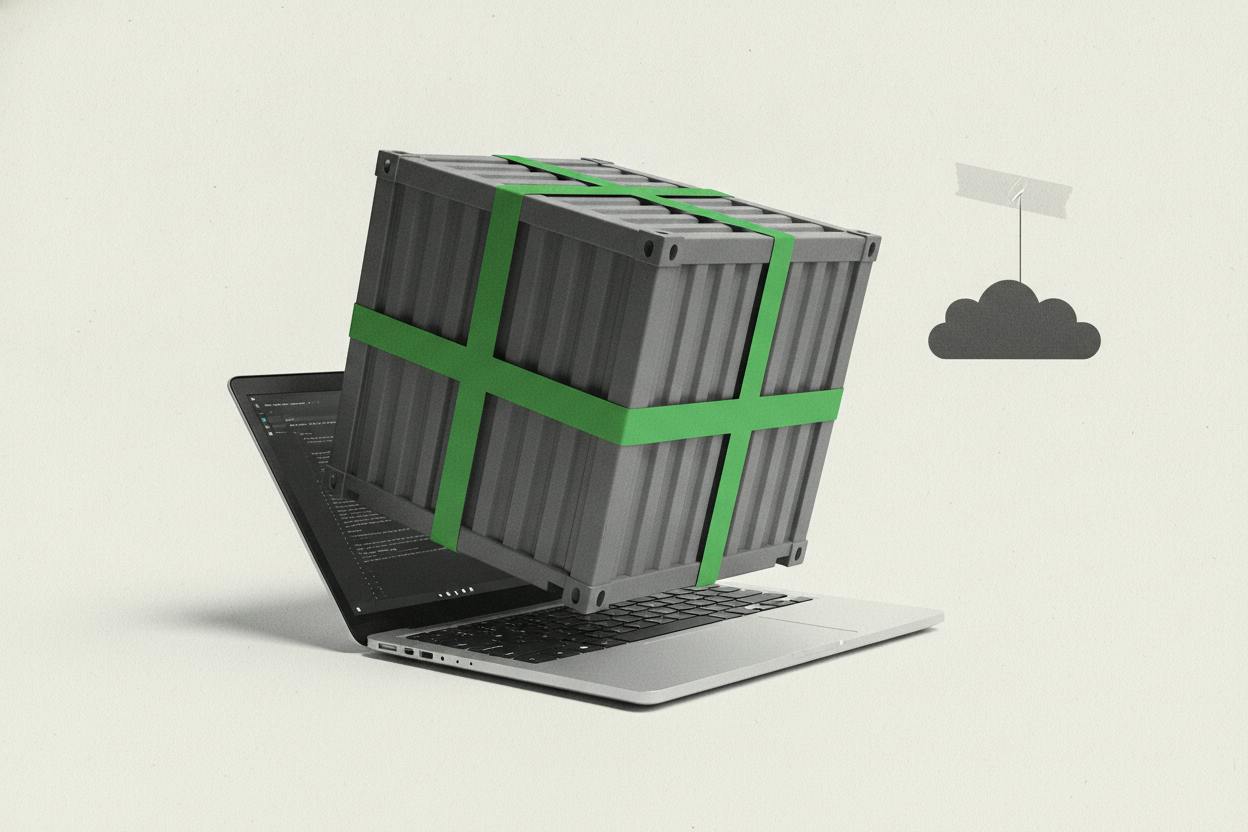
To address the risks of more autonomous software, Microsoft introduced Microsoft Execution Containers. These are security controls that let IT teams set what an AI agent can access, and Windows enforces those limits. This is meant to prevent agents from doing things they shouldn’t, like accessing sensitive files or making unauthorized changes.
This is part of a broader industry trend. Nvidia has also released tools to keep AI agents from going rogue, and OpenAI has added safety controls to its own agents. As AI agents become more common, expect security to be a key battleground.
Why Microsoft wants AI on Windows
There’s a financial logic behind this push. Running AI in the cloud costs Microsoft money for computing power and energy. By encouraging on-device AI, Microsoft can offload some of that cost to consumers and businesses who buy the hardware. At the same time, it keeps users locked into the Windows ecosystem, where Microsoft can sell software, services, and subscriptions.
This also positions Windows as a platform for AI, not just a traditional operating system. Microsoft has been working with Nvidia to push AI agents onto Windows laptops, and this event is part of that effort. The company wants to be the default place where AI agents live, whether they’re in the cloud or on your desk.
What it means for investors
For investors, this is a story about where the money in AI will be made. Microsoft is betting that AI will be a hybrid story—some in the cloud, some on devices. That could mean more demand for high-end PCs, which benefits hardware makers, but also more competition in the AI software space.
The $2,599 price of the Surface Laptop Ultra is a signal that on-device AI is still a premium feature. As costs come down, that could open up a larger market, but for now it’s a niche. Investors should watch how Microsoft balances its cloud revenue with its push into on-device AI, and whether it can convince developers to build for Windows rather than just for the web or the cloud.
Microsoft’s move also highlights the ongoing demand for AI computing power, which has been a major driver for both Microsoft and Nvidia. If on-device AI reduces the need for cloud computing, that could eventually affect data center growth, but that’s likely years away.
The bigger picture
This isn’t just about Microsoft. Apple has been pushing on-device AI for years, and Google has its own efforts. The race is on to make AI fast, private, and cheap enough to run on everyday devices. Microsoft’s new security controls and premium hardware are its latest attempt to stay ahead.
For the average investor, the takeaway is that AI is becoming more personal and more local. That could mean new opportunities in hardware, software, and security, but it also means higher costs for early adopters. As always, it’s important to look at the long-term trends, not just the latest product launch.