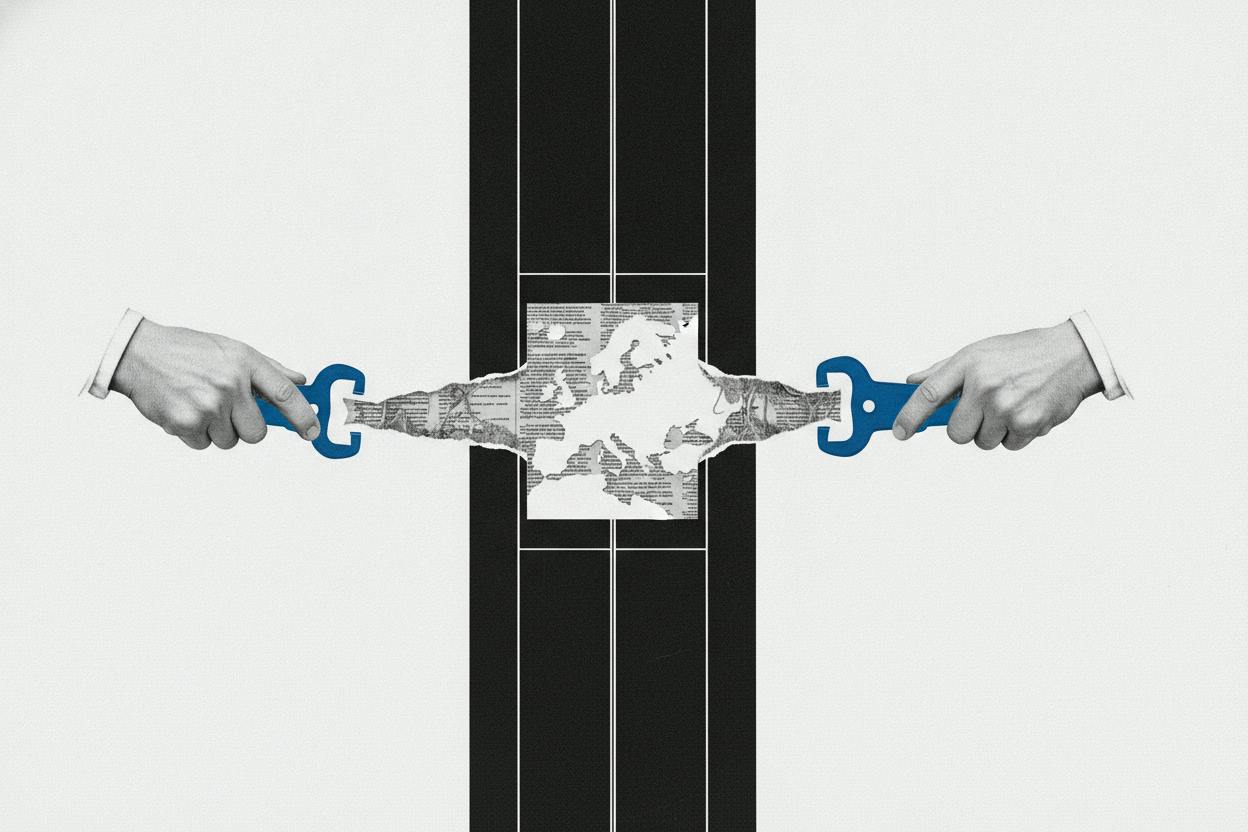
Japanese industrial groups Mitsubishi Electric and Fujitec are among the companies considering bids for TK Elevator's European operations, according to a Bloomberg report. The assets are expected to be sold by Finnish elevator maker Kone as part of its efforts to win regulatory approval for its planned €29.4 billion takeover of TK Elevator.
The European unit could be worth more than €5 billion, Bloomberg said, citing people familiar with the matter. However, the final shape of the divestment package is still being negotiated with European antitrust authorities, and there is no guarantee that a deal will emerge that satisfies both regulators and potential buyers.
Background: A mega-deal with a regulatory hurdle
Kone, a Finnish company that makes elevators, escalators, and automatic doors, agreed in April to buy TK Elevator from private equity firms Advent International and Cinven. The €29.4 billion deal would create one of the world's largest elevator manufacturers, combining two of the industry's biggest players.
But large mergers that reduce competition often require so-called "remedies" — typically the sale of certain businesses — to reassure regulators that the combined company will not dominate the market unfairly. In this case, European competition authorities are likely to scrutinise the deal closely, given the already concentrated nature of the elevator industry.
TK Elevator, headquartered in Germany, operates in more than 100 countries and is a major supplier of elevators, escalators, and moving walkways. Its European operations are a key part of its business, serving both commercial and residential customers.
Who are the potential buyers?
Mitsubishi Electric is a Japanese conglomerate with a broad portfolio that includes elevators and escalators, alongside its better-known electronics and industrial automation businesses. The company already has a significant presence in the elevator market, particularly in Asia.
Fujitec, also Japanese, is a specialist elevator and escalator manufacturer. It is backed by buyout firm EQT, which acquired a stake in the company in 2023. Fujitec has been expanding internationally, and acquiring TK Elevator's European assets would give it a stronger foothold in a mature but profitable market.
Both companies are said to be "kicking the tires" on the European unit, but the process is still at an early stage. Other bidders could emerge, and the final list of interested parties will depend on how the divestment package is structured.
Why the price is hard to pin down
In antitrust-driven divestments, the headline valuation is often less important than the condition of the business once it is separated from its parent. A carve-out like this can depend on shared IT systems, procurement, and management, so buyers typically discount their bids to cover the costs of separation and the risk that the seller has to keep providing temporary support services.
That uncertainty can stretch timelines in two directions. If the package is too small, regulators may ask for more assets to be included. If it is too messy, bidders may step back or demand protections that take time to negotiate. For investors watching Kone or potential buyers, this makes the path to closing less predictable and widens the range of plausible outcomes for the eventual price of the European assets.
"The key question is not just what the assets are worth on paper, but what they look like as a standalone business," said one analyst familiar with the process, who asked not to be named. "Buyers will be cautious about taking on something that is still entangled with the parent."
What it means for investors
For shareholders of Kone, the divestment is a necessary step to get the deal done, but it also reduces the potential synergies from the acquisition. Selling a profitable European business could lower the combined company's overall earnings, even if it helps secure regulatory approval.
For investors in Mitsubishi Electric or Fujitec, the potential acquisition would be a significant strategic move. It would give either company a larger share of the European elevator market, which is dominated by a few big players like Kone, Otis, and Schindler. However, the price tag of over €5 billion is substantial, and the integration risks are real.
For the broader market, this deal is a reminder that antitrust scrutiny can shape the outcome of even the largest mergers. Investors should watch for updates from European regulators, as well as any signs that bidders are pulling back or pushing for a lower price.
In the meantime, the elevator industry remains a steady, if unglamorous, business. Demand is driven by urbanisation, construction, and the need to modernise aging buildings. As European stocks have shown resilience despite political turmoil, the sector's fundamentals remain solid.
For everyday investors, the key takeaway is that this deal is still in flux. The final price and structure of the divestment will depend on negotiations that could take months. Until then, the outcome remains uncertain, and that uncertainty is reflected in the wide range of possible valuations for the European assets.