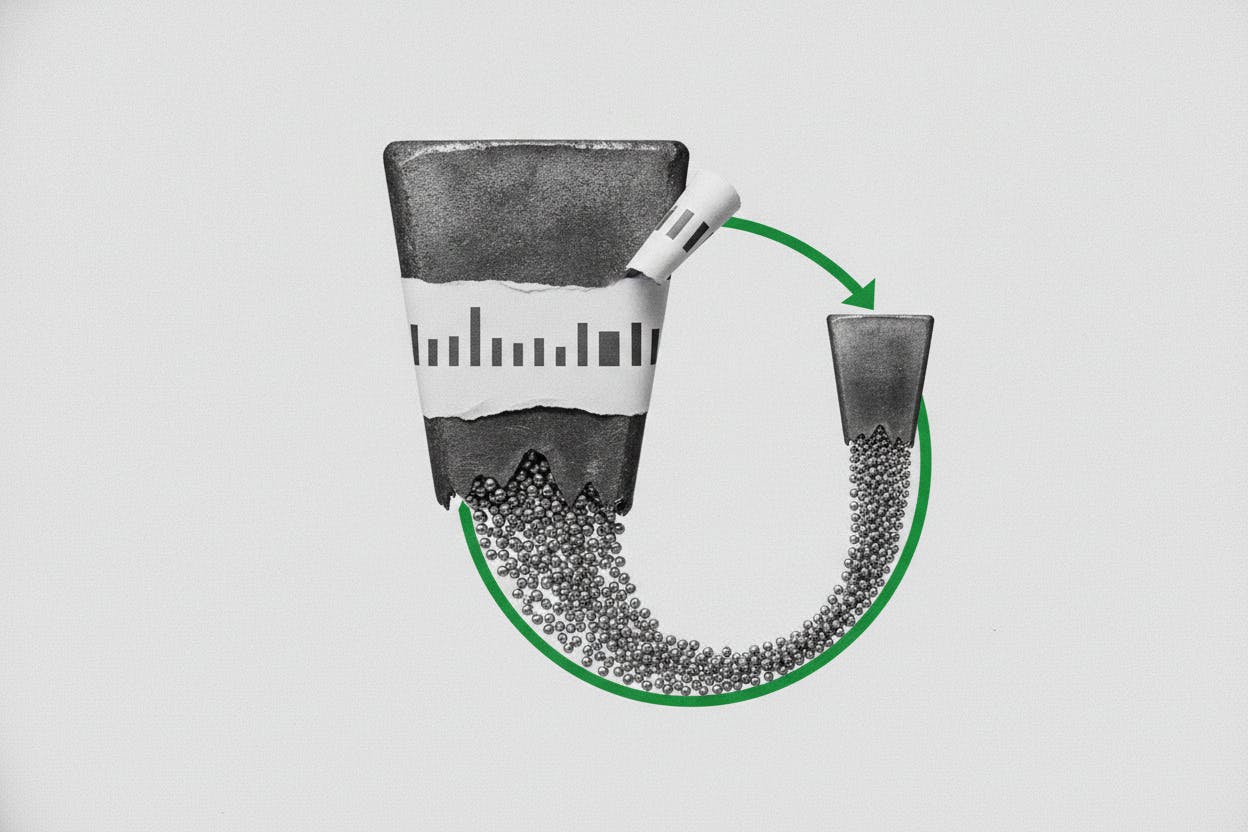
Mitsubishi Materials, a Japanese metals and materials company, has announced plans to raise ¥70 billion (approximately $470 million) through the issuance of zero-coupon convertible notes. The move, disclosed in a filing with the Tokyo Stock Exchange, is aimed at funding a series of recycling-focused projects as the company pivots toward a more sustainable business model.
Details of the Convertible Note Offering
The notes are being issued in two tranches, with maturities set for 2030 and 2032. Both tranches carry a zero-coupon rate, meaning they pay no periodic interest to investors. Instead, the notes are convertible into shares of Mitsubishi Materials at a predetermined price, offering holders the potential for equity upside if the company's stock performs well. The notes are being issued at 100% of their face value, a standard practice for such instruments.
Convertible notes are a hybrid financing tool that combines features of debt and equity. For companies, they provide a way to raise capital without immediate interest payments, which can be attractive when funding long-term projects. For investors, they offer a fixed-income-like security with the option to convert into shares, potentially benefiting from stock price appreciation. This structure is common among companies seeking to fund capital-intensive initiatives without diluting existing shareholders immediately.
Funding a Resource-Circulation Strategy
The proceeds from the offering are earmarked for projects that support what Mitsubishi Materials calls a “resource-circulation” model. Specifically, the company plans to invest in secondary smelting—a process that reprocesses scrap metal rather than extracting virgin ore—and tungsten recovery. Tungsten is a critical metal used in industrial applications such as cutting tools, electronics, and military equipment, and recovering it from waste streams reduces reliance on mining.
These initiatives align with broader trends in the metals and mining industry, where companies are increasingly focusing on recycling and circular economy principles. Regulatory pressure, rising raw material costs, and growing demand from environmentally conscious investors are driving this shift. By investing in recycling capabilities, Mitsubishi Materials aims to secure a more stable supply of key materials while reducing its environmental footprint.
The company's move also comes amid a global push for critical mineral supply chains. Tungsten, in particular, is classified as a critical mineral by many governments due to its strategic importance and limited sources. Recycling tungsten from scrap can help mitigate supply risks and price volatility, which is a key consideration for manufacturers that rely on the metal.
What It Means for Investors
For everyday investors, this development offers several points to consider. First, the use of convertible notes rather than traditional debt or equity signals that Mitsubishi Materials is seeking flexible financing. Zero-coupon notes mean the company won't face immediate interest expenses, which can support near-term cash flow. However, if the stock price rises significantly, note holders may convert their holdings into shares, potentially diluting existing shareholders.
Second, the focus on recycling projects positions the company to benefit from long-term trends in sustainability and resource efficiency. While these projects may take years to generate meaningful returns, they could enhance the company's competitive position as regulations tighten and demand for recycled materials grows. Investors should watch for updates on project timelines and cost overruns, which are common in capital-intensive industries.
Third, the broader market context is relevant. Mitsubishi Materials is raising funds at a time when global interest rates remain elevated, though the Bank of Japan has maintained a relatively accommodative stance compared to central banks in the U.S. and Europe. The zero-coupon structure allows the company to avoid high interest costs that might come with traditional bonds in the current environment.
Investors should also note that convertible notes can be complex instruments. The conversion price and terms will determine the potential dilution impact, and these details are typically disclosed in the offering documents. For those holding Mitsubishi Materials shares, it's worth monitoring how the market reacts to the announcement and whether the stock price adjusts to reflect the new supply of potential shares.
In the broader context of Japanese corporate finance, this offering is part of a trend where companies are using convertible notes to fund strategic initiatives. Similar moves have been seen in other sectors, such as technology and energy, as firms seek to balance growth investments with shareholder returns.
For investors tracking the metals and materials sector, Mitsubishi Materials' pivot toward recycling is a signal that traditional mining companies are adapting to a changing landscape. While the immediate financial impact may be modest, the long-term implications for resource security and environmental performance could be significant.