China is reportedly considering a proposal that would allow some of its largest artificial intelligence companies—Alibaba, DeepSeek, and ByteDance—to purchase a limited number of Nvidia H200 chips, one of the most advanced AI processors on the market. But there is a catch: the companies would need to justify exactly how many chips they want and what they plan to do with them.
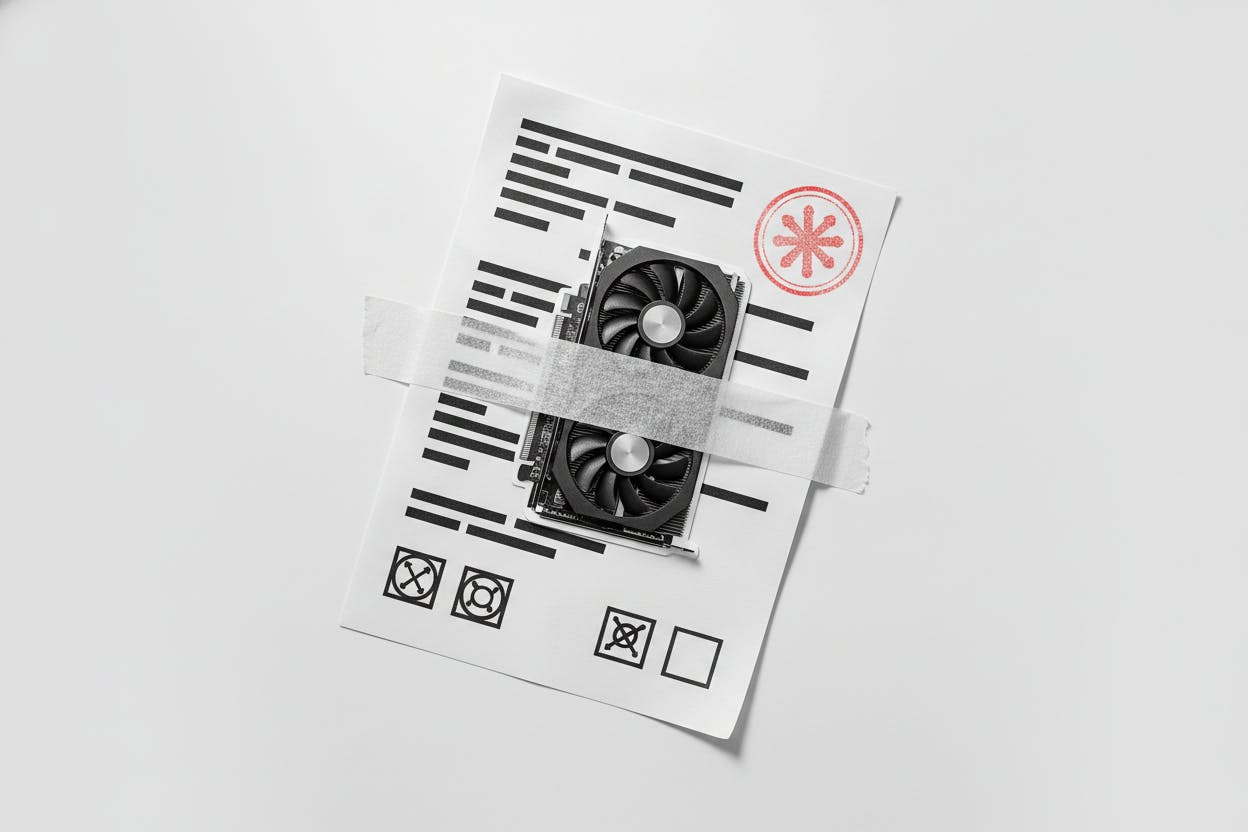
Bloomberg, citing a report from The Information, said the plan would create a narrow, conditional path for these firms to access the H200, a chip that has been subject to tight US export controls aimed at limiting China's AI capabilities. Under the proposal, chip purchases would not go through a normal market order book. Instead, they would be effectively allocated through a permit-like process, with officials deciding what gets approved and when.
What is the Nvidia H200 and why does it matter?
The Nvidia H200 is a high-end graphics processing unit (GPU) designed specifically for AI workloads, such as training large language models and running complex data analytics. It is one of Nvidia's most sought-after products, and demand has far outstripped supply since the AI boom began. For Chinese AI companies, access to the H200 is critical for staying competitive in the global AI race, especially as US export restrictions have cut off most direct sales of advanced chips to China.
The proposed arrangement fits the current backdrop of US chip export controls. It aims to keep domestic AI projects moving without looking like an unrestricted reopening of supply. By requiring companies to spell out their needs, Beijing can signal that it is managing chip imports responsibly, while still giving its tech giants the hardware they need to train models and build data centers.
What does this mean for the companies involved?
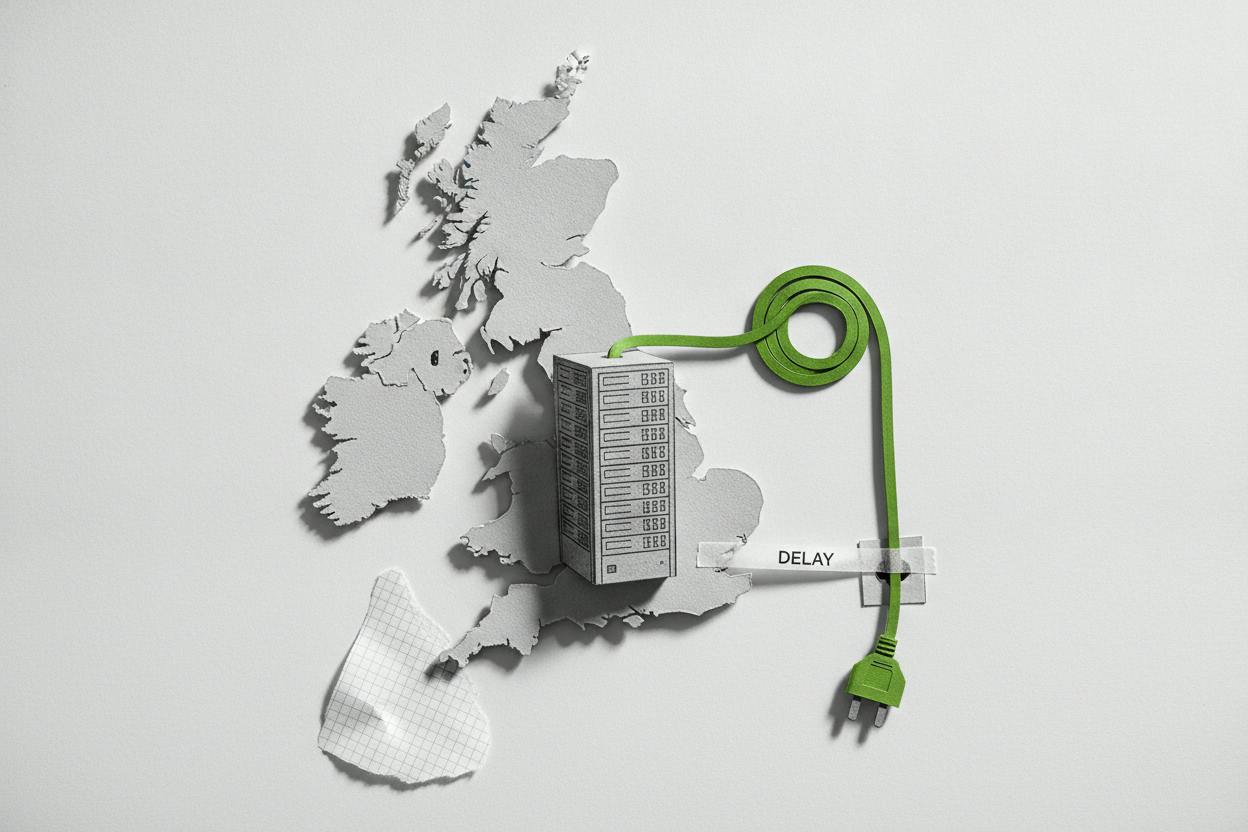
For Alibaba, DeepSeek, and ByteDance, the conditional access could be a double-edged sword. On one hand, it offers a potential lifeline for their AI ambitions. On the other, the approvals, paperwork, and potential revisions could slow purchases and make delivery timing harder to predict. That pushes companies to plan model training and data-center buildouts around authorization windows rather than pure business demand.
ByteDance, the parent company of TikTok, has been investing heavily in AI for content recommendation and generative AI tools. Alibaba, China's e-commerce and cloud computing giant, uses AI for everything from search algorithms to cloud services. DeepSeek, a rising AI startup, focuses on large language models. All three would likely need to coordinate their chip orders with government timelines, adding a layer of uncertainty to their infrastructure planning.
This comes amid broader economic challenges in China. China's factory costs rose 4.1% in June, but consumer demand remains weak, highlighting the uneven recovery. Meanwhile, China's central bank has vowed to keep policy loose as weak demand persists, suggesting that the government is trying to support growth without stoking inflation.
Why should investors care?
For investors, the key takeaway is that Nvidia's China sales could hinge on permits, not purchase orders. If H200 access depends on case-by-case sign-offs, Nvidia's China-related revenue may arrive in bursts instead of a steadier run rate. That can make quarterly results harder for investors to read, because a strong chip order could reflect a temporary approval wave rather than a repeatable buying cycle.
It can also create stop-start spending for big customers like Alibaba and ByteDance, as they time expensive infrastructure projects to when chips are cleared, not when budgets are set. In other words, this channel might support demand, but it also makes it more sensitive to policy and process than to typical corporate procurement.
Earlier this week, chip stocks rebounded on hopes of China H200 access, showing how sensitive the market is to any news about chip flows to China. If the proposal moves forward, it could provide a modest boost to Nvidia's outlook, but the conditional nature means investors should not expect a flood of orders.
Separately, China is considering new rules to restrict foreign access to its AI models, which could further shape the competitive landscape. And China's top memory chipmaker CXMT filed for a $4.34 billion Shanghai IPO, signaling that the country is pushing to build its own semiconductor ecosystem even as it seeks limited access to foreign chips.
What to watch next
Investors should watch for official confirmation from Chinese regulators and any details on the approval process. The timeline for deliveries, the number of chips allowed, and whether other companies can apply will all be important. If the process is slow or restrictive, it could push Chinese AI firms to rely more on domestic alternatives, such as chips from Huawei or other local suppliers. But for now, the H200 remains the gold standard, and even limited access could give Alibaba, DeepSeek, and ByteDance a crucial edge.