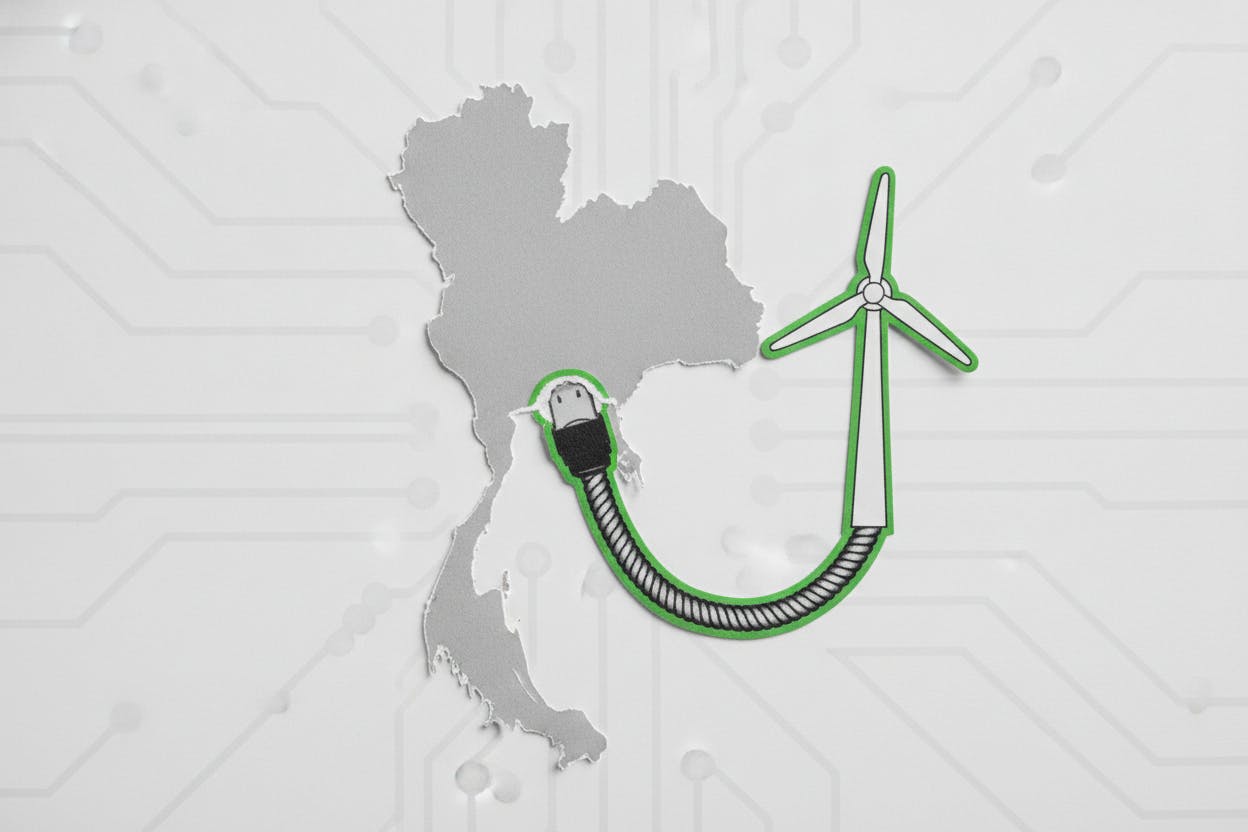
Thailand is doubling down on its ambition to become a regional high-tech powerhouse. The country's Board of Investment (BOI) has approved nine new projects worth a combined 66.3 billion baht (approximately $1.99 billion), covering everything from artificial intelligence infrastructure to advanced electronics and wind energy. The approvals signal a strategic push to attract global supply chains that are increasingly looking to diversify beyond China.
What Projects Were Approved?
The BOI's latest batch of approvals spans three key sectors that are central to Thailand's industrial upgrade. The largest chunk goes to AI infrastructure, including data centers that will support the growing demand for cloud computing and machine learning workloads. Advanced electronics manufacturing—think semiconductors and precision components—also features prominently. Rounding out the list are wind power projects, which align with Thailand's goals to boost renewable energy capacity and reduce reliance on fossil fuels.
While the BOI did not disclose every individual project in detail, the mix of tech and green energy is deliberate. Data centers are notoriously power-hungry, and by approving wind farms alongside them, Thailand is signaling that it can offer the clean, reliable electricity these facilities require. This integrated approach is a key selling point for multinational firms under pressure to meet their own sustainability targets.
Why Thailand Is Pushing High-Tech Investment
Thailand has long been a manufacturing hub for automobiles and hard drives, but it now faces stiff competition from neighbors like Vietnam, Malaysia, and Indonesia for higher-value investments. The BOI's approval of these nine projects is part of a broader effort to streamline regulations and improve energy access for data centers, which have become a critical piece of global digital infrastructure.
The country is also benefiting from the ongoing shift in global supply chains, as companies seek to reduce their exposure to geopolitical tensions between the U.S. and China. Thailand's central location in Southeast Asia, its existing industrial base, and government incentives make it an attractive alternative. The BOI has been actively courting investments in electric vehicles, electronics, and digital technologies, and these latest approvals show that strategy is gaining traction.
For context, Thailand's consumer confidence has been fragile recently, with a recent uptick driven by lower oil prices and government subsidies. Sustained high-tech investment could provide a more durable boost to the economy by creating skilled jobs and increasing exports.
What It Means for Investors
For everyday investors, this development is a signal that Thailand is serious about becoming a player in the global tech supply chain. That could have ripple effects for companies with exposure to the region, particularly those in semiconductors, data center equipment, and renewable energy.
However, it's important to keep expectations in check. Approving projects is only the first step; execution matters. Investors should watch for signs that these projects are actually breaking ground and attracting follow-on investment from multinational corporations. The BOI's ability to deliver on its promise of streamlined energy access will be a key test.
Thailand is not alone in this race. Other Southeast Asian nations are also vying for high-tech investment. For instance, China's top memory chipmaker CXMT recently filed for a $4.34 billion IPO in Shanghai, highlighting the scale of capital flowing into the region's tech sector. Meanwhile, AI chip startup Positron is reportedly eyeing a $5 billion valuation, underscoring the global appetite for AI infrastructure.
For investors focused on the broader theme of supply chain diversification, Thailand's moves are worth monitoring. The country's success in attracting AI and electronics projects could boost local suppliers, real estate developers building industrial parks, and utility companies investing in renewable energy. But as with any emerging market story, patience and due diligence are essential.
The Bottom Line
Thailand's approval of $2 billion in high-tech projects is a concrete step toward its goal of becoming a regional hub for advanced manufacturing and digital infrastructure. By bundling AI data centers with wind power, the BOI is addressing a critical bottleneck—energy availability—that could give it an edge over competitors. For investors, this is a story to watch, not a reason to rush in. The real test will be whether these approvals translate into tangible economic growth and corporate earnings in the years ahead.