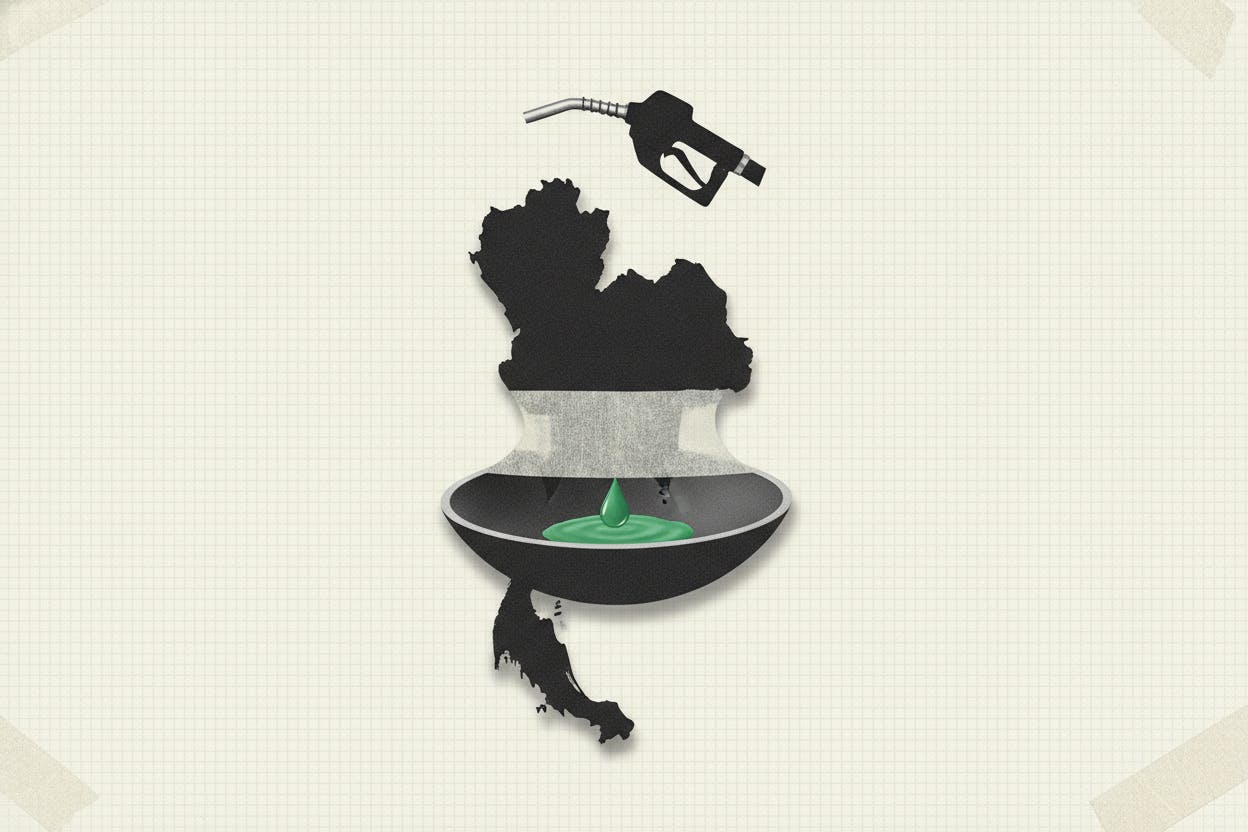
Thailand's consumer confidence finally turned a corner in June, ending a four-month stretch of declines. The University of the Thai Chamber of Commerce (UTCC) reported that its consumer confidence index ticked up to 50.7 from 49.5 in May, a modest but meaningful improvement that signals a slight easing of the pessimism that has gripped Thai households.
What drove the uptick?
The UTCC attributed the gain to several factors. Lower global oil prices have reduced fuel costs at the pump, providing some relief to consumers and businesses alike. At the same time, geopolitical tensions in the Middle East have eased somewhat, which helped stabilize energy markets and reduce uncertainty. Domestically, the Thai government rolled out a 176 billion baht (approximately $5.3 billion) consumer subsidy program aimed at lowering the cost of living for households. That package includes direct subsidies on essential goods and services, giving consumers a bit more breathing room.
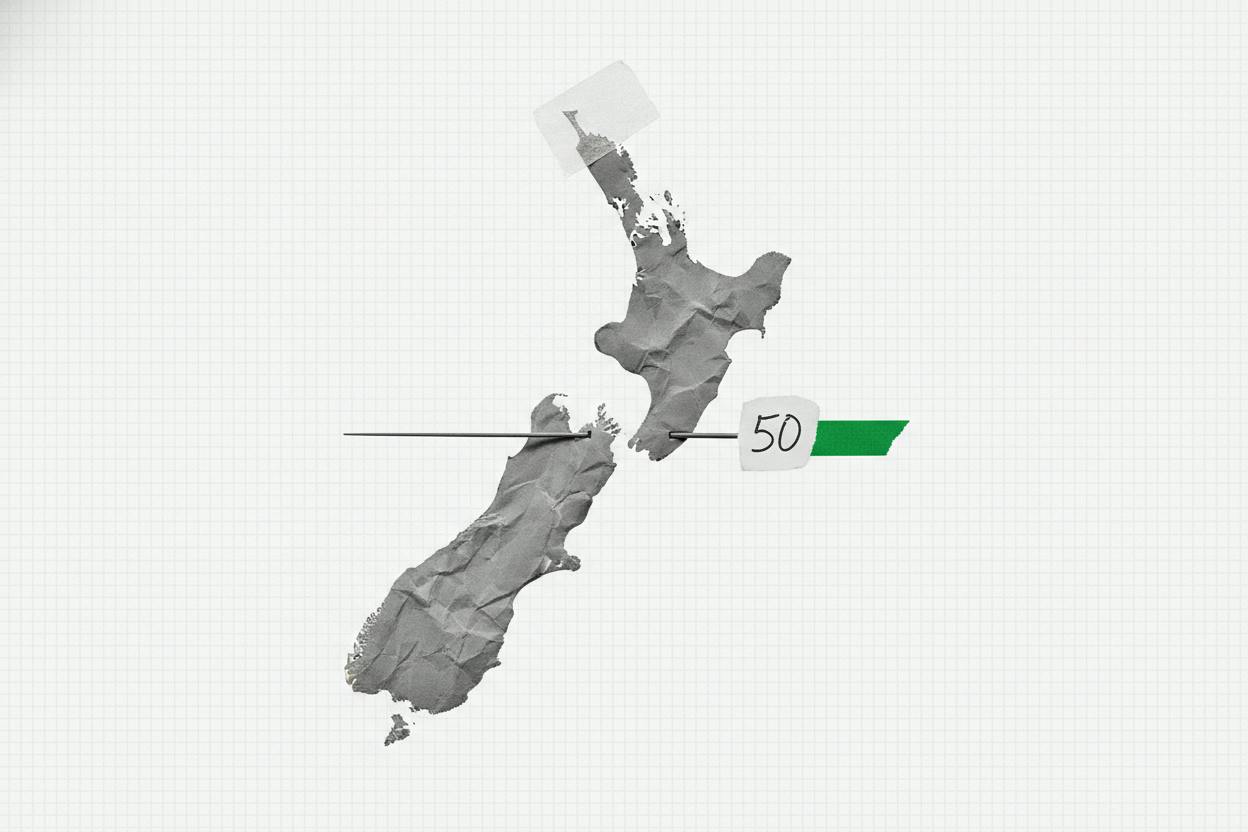
Still, the index only barely crossed back above the 50 threshold, which separates optimism from pessimism. A reading above 50 means more consumers are optimistic than pessimistic, but just barely. The fact that it's only 50.7 suggests that while the worst of the slide may be over, confidence remains fragile.
Households still worried about jobs and prices
Despite the improvement, the UTCC noted that Thai households remain deeply concerned about the cost of living and the job market. Everyday prices for food, utilities, and transportation are still high relative to incomes, and many workers are unsure whether their wages will keep pace. The labor market, while stable, has not shown signs of strong hiring or wage growth, leaving consumers cautious about spending.
This is a familiar pattern across many emerging economies right now. Inflation has moderated from its peaks, but prices are still elevated, and consumers are adjusting to a new normal where their purchasing power hasn't fully recovered. In Thailand, the central bank has kept interest rates relatively high to combat inflation, which has also weighed on borrowing and spending.
For context, Thailand's economy has been recovering from the pandemic more slowly than some of its neighbors, partly due to a slower rebound in tourism and export demand. The government's subsidy plan is designed to stimulate domestic consumption, but it remains to be seen whether it will be enough to sustain confidence over the longer term.
What it means for investors
For investors watching Thailand, this data point is a small positive signal, but not a game-changer. Consumer confidence is a leading indicator for spending, and a sustained rise could eventually boost retail sales, tourism, and other consumer-facing sectors. However, the index is still near the neutral line, and the underlying worries about jobs and inflation suggest that any recovery in consumer spending will be gradual.
Investors should also keep an eye on oil prices, which have been volatile recently. A renewed spike in crude could quickly reverse the confidence gains, as Thailand is a net oil importer and higher energy costs feed directly into household budgets. Similarly, any escalation in Middle East tensions could reignite uncertainty. For more on how oil price swings affect regional markets, see our coverage of Oil Surges 6% as Trump Declares Iran Deal Over, US Stocks Slide.
The Thai baht has also been under pressure from a strong US dollar and expectations of further Federal Reserve rate hikes. A weaker baht makes imports more expensive, which could offset some of the benefits from lower global oil prices. For more on currency dynamics, check out Rupee Hits One-Month Low as Oil Surge and Fed Rate Worries Converge.
On the broader economic front, Thailand's export sector has been struggling with weak demand from China and Europe. While the subsidy plan may help domestic consumption, it won't directly address the export slowdown. Investors should watch for upcoming trade data and any signs of a recovery in global demand.
Overall, the June confidence reading is a welcome break from the downward trend, but it's too early to call a sustained turnaround. The UTCC will release July data in a few weeks, and that will be a key test of whether the improvement has legs. For now, the message for investors is: cautious optimism, but keep an eye on oil, jobs, and the baht.