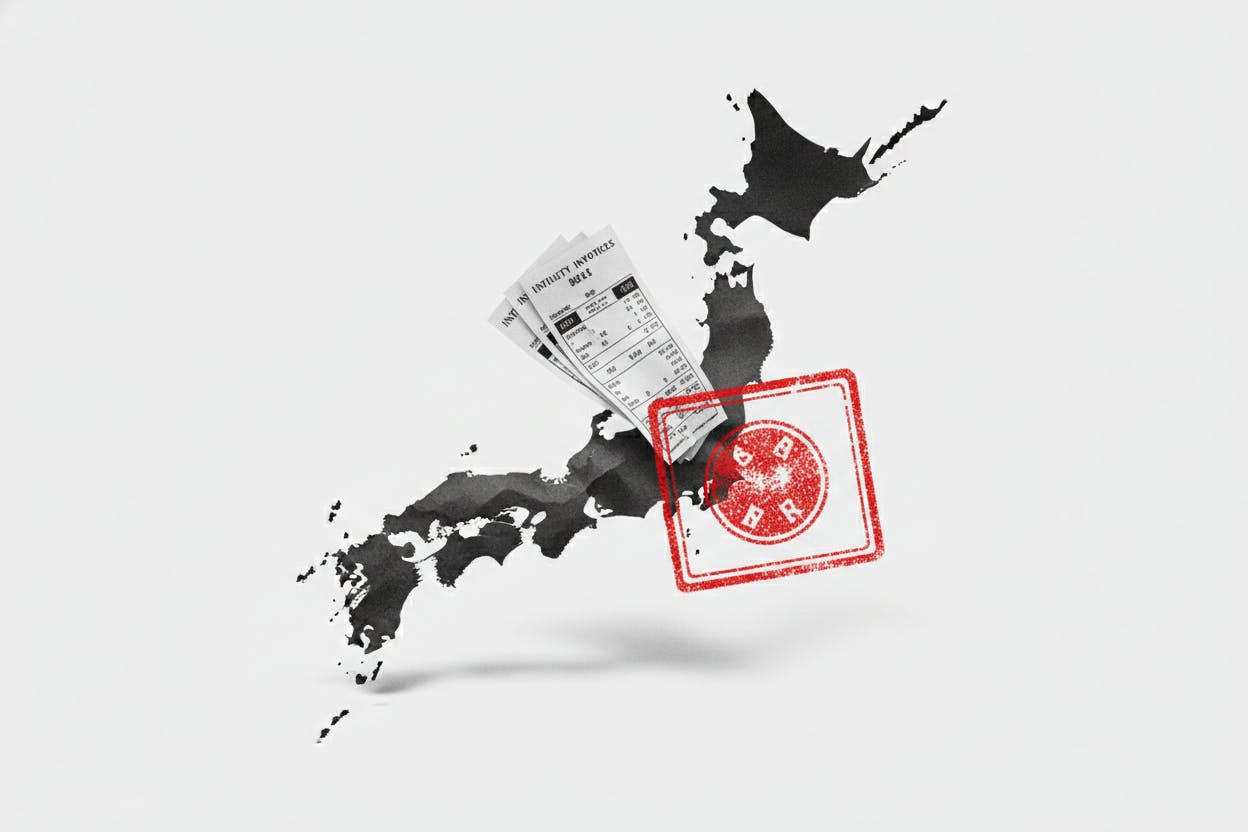
Japan's small businesses are facing a tough environment as corporate bankruptcies hit a decade high in the first half of 2024. According to data from Tokyo Shoko Research, reported by Kyodo News, there were 5,346 bankruptcies involving liabilities of at least 10 million yen ($62,000) from January to June. That's the highest first-half total since 2014 and a 7.1% increase from the same period last year.
Small Firms Bear the Brunt
The data shows that the pain is concentrated among the smallest employers. About 90% of the bankruptcies involved companies with fewer than 10 employees, and nearly 80% had liabilities under 100 million yen. This suggests that mom-and-pop shops and micro-enterprises are struggling the most.
Two key drivers stand out: 'price-related' bankruptcies—where companies couldn't pass on higher costs to customers—jumped 27.7% to 439 cases. At the same time, labor shortages and rising wage bills are adding pressure. Japan's tight labor market, with unemployment near historic lows, has forced many small firms to raise pay to attract workers, even as their own revenues lag.
Inflation and the Services Sector
The services sector is leading the tally, reflecting how post-pandemic demand recovery has been uneven. While larger companies in tourism and hospitality have benefited from a weak yen and inbound travel, smaller service providers—like local restaurants, cleaners, and repair shops—are getting squeezed by higher input costs for food, energy, and materials.
Japan's inflation has remained above the Bank of Japan's 2% target for over two years, but wage growth hasn't kept pace for many small firms. The government has urged businesses to raise wages, but passing on costs to consumers is harder for smaller players in competitive local markets.
This trend is part of a broader economic picture. Japan's economy has shown mixed signals: while the Eco Watchers Index edged up to 44.0 in June, it remains below the 50 threshold that separates optimism from pessimism, indicating that business sentiment is still fragile.
What It Means for Investors
For everyday investors, this data is a reminder that Japan's economic recovery is uneven. Large exporters have benefited from a weak yen—which has been under pressure near 162 against the dollar, partly due to oil price surges—but small domestic businesses are struggling.
Investors in Japanese equities should pay attention to which sectors are exposed. Companies with pricing power and large-scale operations may weather the storm better than small-cap or domestic-focused firms. The Bank of Japan's next moves on interest rates will be crucial: higher rates could further squeeze small businesses with debt, while keeping rates low might fuel more inflation.
Some analysts have suggested that equal-weight strategies in Japan could outperform mega-cap tech, but this bankruptcy data highlights the risks for smaller companies. Investors might want to focus on larger, well-capitalized firms that can manage cost pressures.
The broader context also includes global factors. Rising oil prices due to tensions in the Strait of Hormuz have hit Japan and South Korea hard, as both are major energy importers. Higher energy costs add to the burden on small businesses, especially in transport and manufacturing.
Looking ahead, the key question is whether Japan's small business sector can stabilize. The government has offered subsidies and loan programs, but the data suggests that many firms are still struggling to adapt to a higher-cost environment. For investors, this means keeping an eye on consumer spending and small business sentiment as leading indicators for Japan's domestic economy.