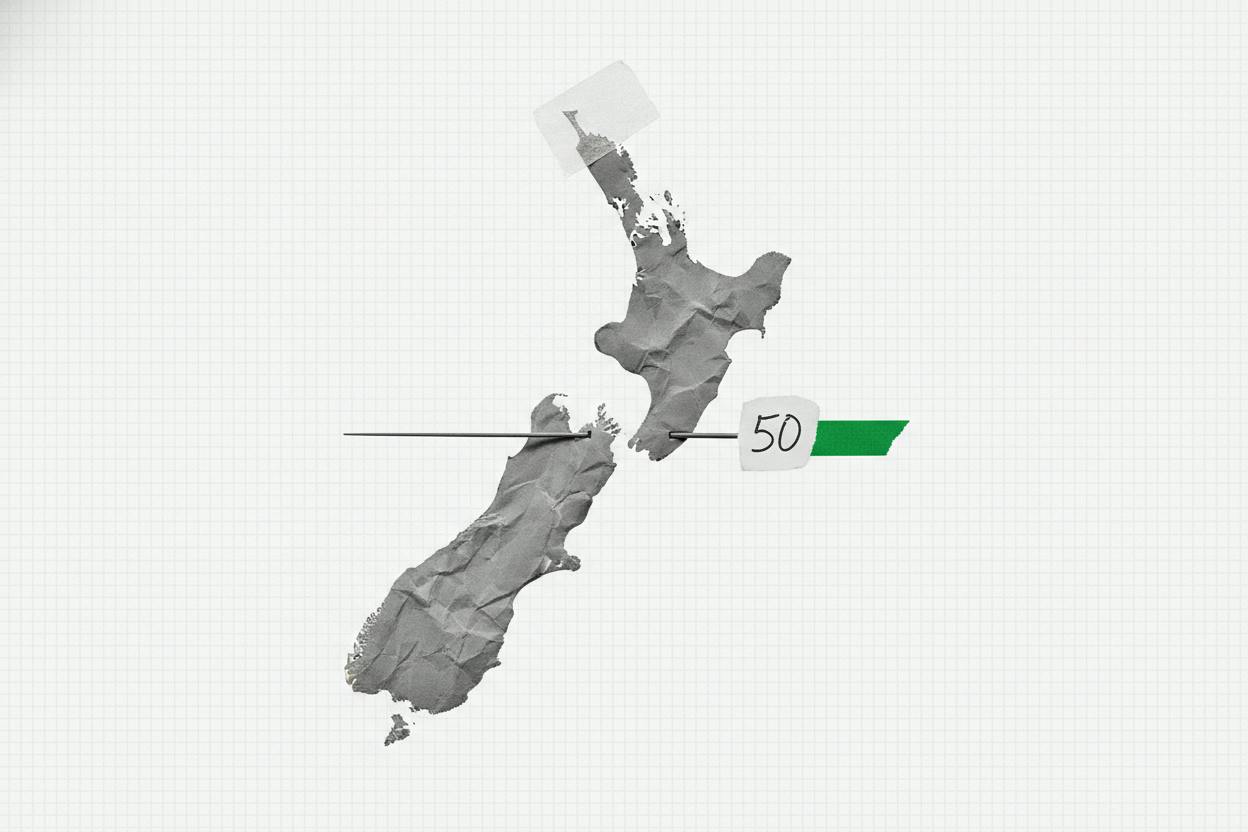
New Zealand's factories roared back to life in June, with the BusinessNZ Performance of Manufacturing Index (PMI) jumping to 59.7 from 51.3 in May. That's the highest reading since July 2021 and well above the survey's long-run average of 52.5, signaling that the sector is not just growing but accelerating.
The PMI is a monthly survey of purchasing managers that tracks changes in output, new orders, employment, supplier deliveries, and inventories. Any reading above 50 indicates expansion; below 50 signals contraction. June's leap puts activity firmly in expansion territory and suggests that manufacturers are seeing a broad-based pickup in demand.
New Orders and Production Lead the Charge
The rebound was driven by a surge in new orders, which climbed to 64.1 from 53.2 in May. That's the highest level for that sub-index in years and points to strong demand from both domestic and export customers. Production also rose sharply, hitting 59.4 from 50.6, indicating that factories are ramping up output to meet the influx of orders.
Employment and supplier deliveries also improved, though at a more modest pace. The breadth of the recovery suggests that the manufacturing sector is shaking off the sluggishness that had persisted through much of 2023 and early 2024.
Cost Pressures Haven't Disappeared
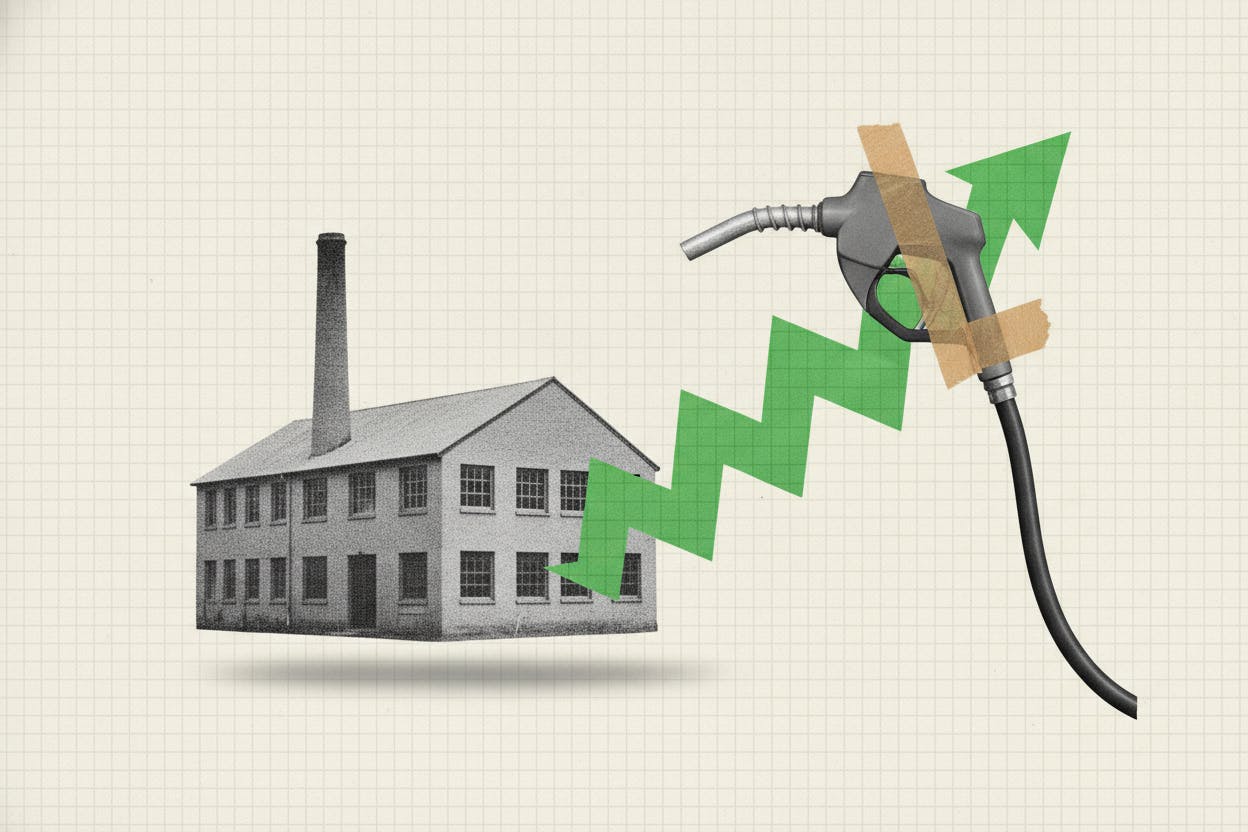
Despite the upbeat headline, the survey's respondents made clear that headwinds remain. BusinessNZ's Catherine Beard noted that firms are still grappling with high fuel prices and rising living costs, which are squeezing margins and household budgets. Geopolitical tensions, particularly in the Middle East, are also adding uncertainty to supply chains and input costs.
Bank of New Zealand (BNZ), one of the country's largest lenders, struck a cautious note, warning that July's data will be critical to confirm whether June's bounce is the start of a sustained recovery or just a one-off. "We need to see one more month before we can say the sector has turned a corner," a BNZ economist said.
What It Means for Interest Rates and Your Mortgage
For everyday investors and homeowners, the PMI reading has a direct link to mortgage rates. When economic data comes in strong, financial markets often push back expectations for central bank rate cuts. The Reserve Bank of New Zealand (RBNZ) has been holding its official cash rate at 5.5% to combat inflation, and a robust manufacturing sector could keep inflation stickier for longer.
If activity stays elevated in July, traders and bank funding desks may become less convinced that rate cuts are coming soon. That can lift wholesale borrowing costs—the market interest rates that banks use to price their fixed-rate mortgages. For households refinancing or rolling off a fixed term, that could mean "higher for longer" mortgage rates.
Conversely, if July's PMI slips back toward 50, investors could treat June as a temporary blip and dial back expectations for rate cuts, potentially easing pressure on mortgage rates.
The data also ties into broader trends in the New Zealand economy. Recent reports have shown card spending flat in June, with hospitality slumping even as tourism rose, suggesting that consumer demand remains uneven. Meanwhile, the government is probing supermarket rebates that may cost suppliers billions, adding to the cost-of-living debate.
Broader Market Context
New Zealand's stock market recently hit a record high, buoyed by global factors like OPEC+ boosting oil supply. But the manufacturing PMI adds a domestic dimension: a strong factory sector can support corporate earnings and employment, which in turn supports consumer spending and the broader economy.
Investors will be watching the July PMI release closely. If the momentum holds, it could reinforce the case for the RBNZ to hold rates steady through the rest of 2024. If it fades, rate cut expectations could return, potentially boosting bond prices and rate-sensitive stocks.
For now, the message from June is clear: New Zealand's factories have found their groove again. But whether that groove turns into a sustained rhythm or just a one-month dance remains to be seen.