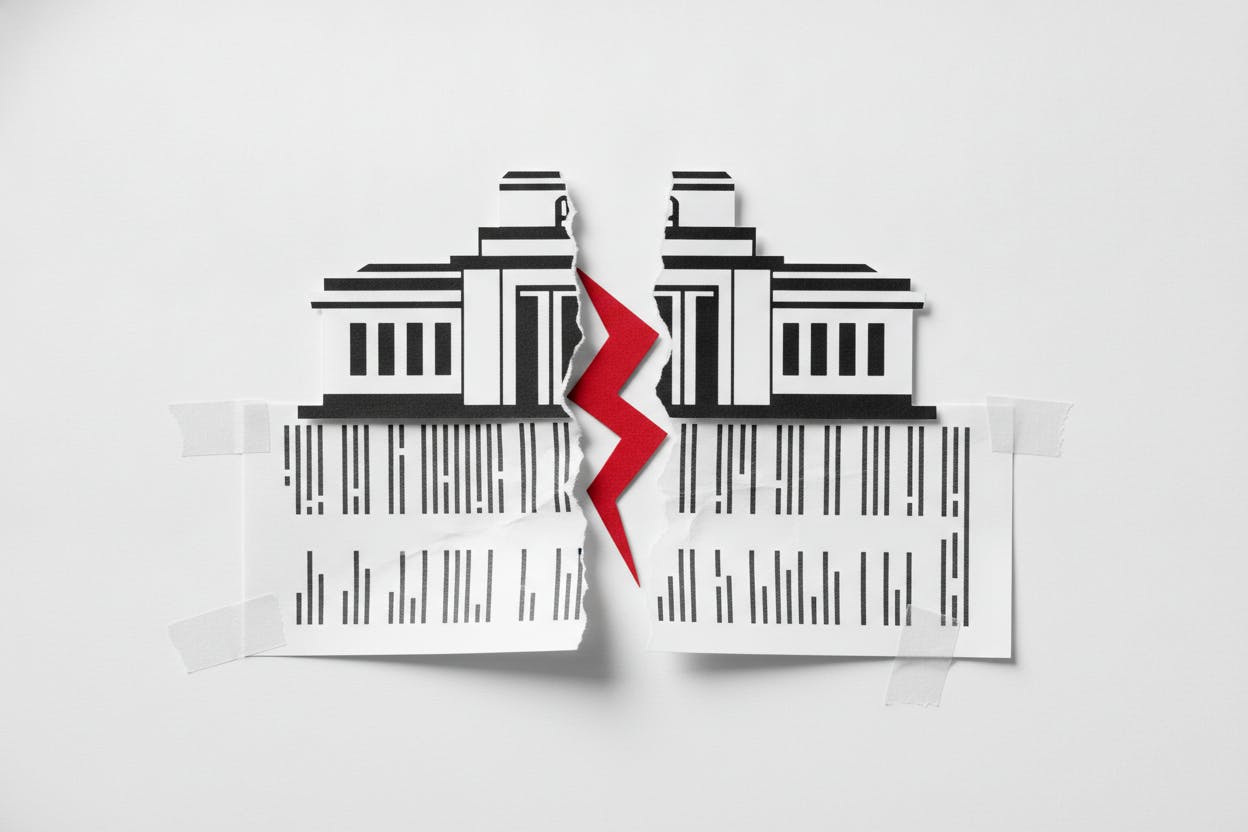
The Federal Reserve's latest meeting minutes, released Wednesday, show a central bank united in its decision to hold interest rates steady but deeply divided over what comes next. Policymakers debated whether cooling inflation would soon justify rate cuts or whether persistent pressures from artificial intelligence-driven demand, new tariffs, and geopolitical tensions could force further hikes.
What the Minutes Reveal
The Federal Open Market Committee (FOMC) kept its benchmark policy rate unchanged at its June 16-17 meeting, a decision that was widely expected. Inflation, while showing some signs of easing, remains above the Fed's 2% target. At the same time, economic growth and the labor market have stayed resilient, giving the central bank little reason to ease policy.
But the minutes show that the committee's internal debate was far from settled. Some officials pointed to recent data suggesting that inflation is cooling enough to consider cutting rates later this year. Others warned that new risks—including surging demand for AI-related infrastructure, the impact of tariffs on imported goods, and geopolitical instability—could keep prices elevated or even push them higher.
Notably, the Fed shortened its post-meeting statement and removed language that had previously signaled a bias toward easing. That change, while subtle, suggests the committee is deliberately keeping its options open.
The Forces Pulling in Opposite Directions
The debate inside the Fed reflects a broader uncertainty in the global economy. On one hand, inflation has moderated from its peak, and some measures of consumer spending are softening. That would normally argue for lower rates to support growth.
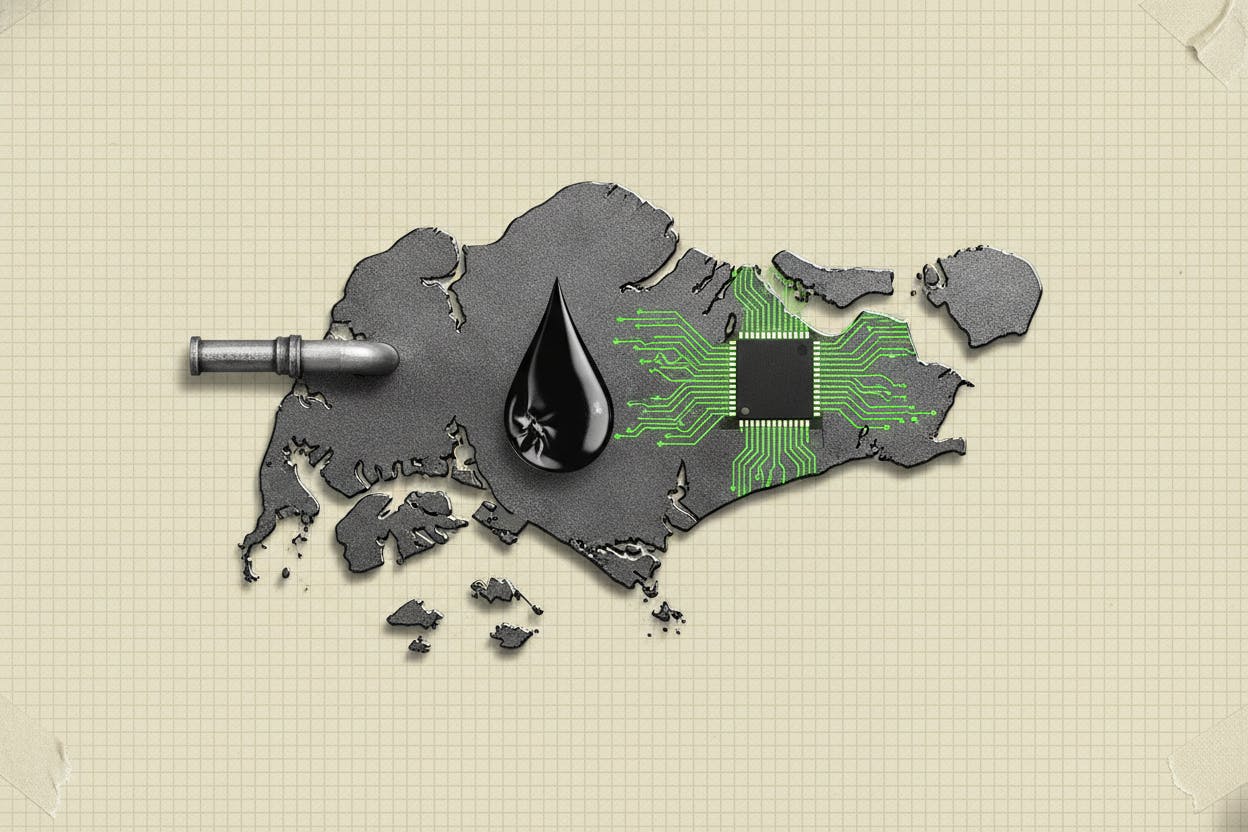
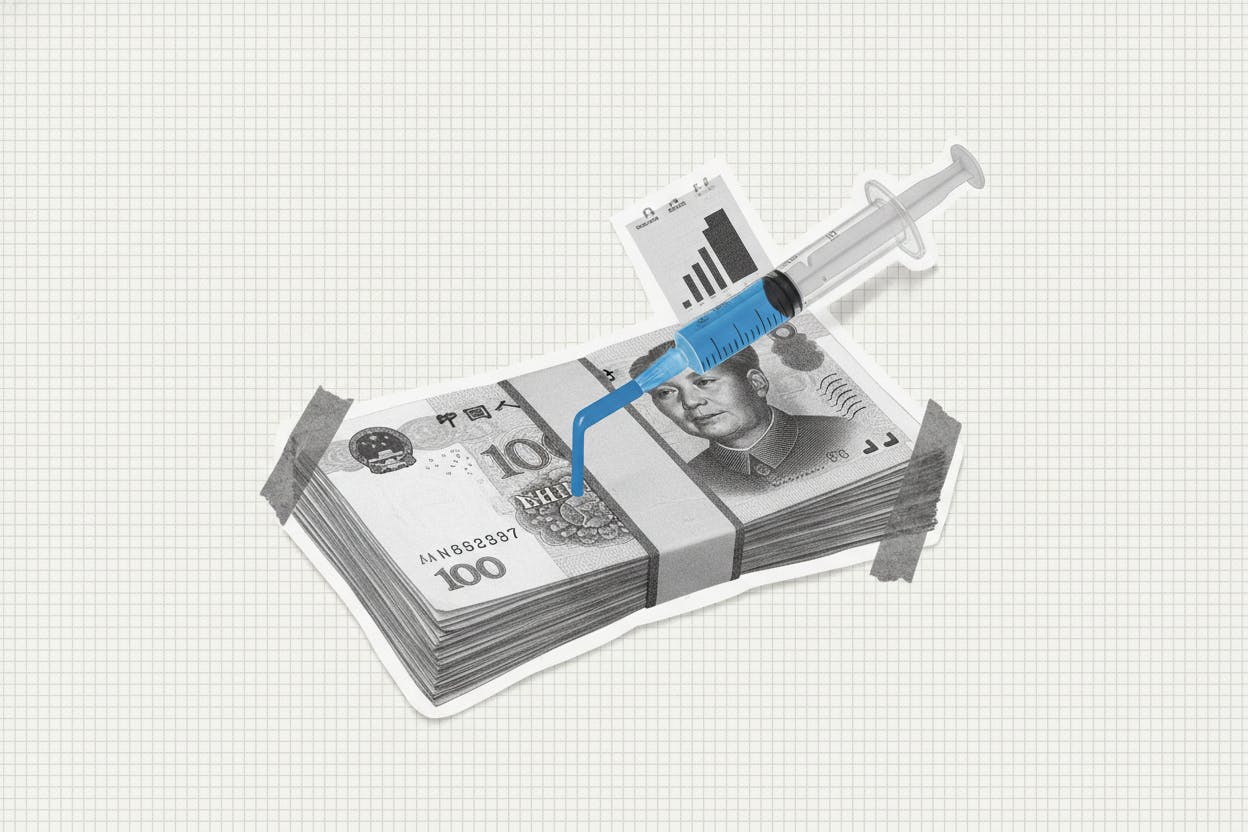
On the other hand, several factors could reignite price pressures. The rapid expansion of AI data centers is driving up demand for electricity and specialized equipment, which could push costs higher across industries. Tariffs on Chinese goods and other trade barriers are raising input prices for manufacturers. And geopolitical tensions—particularly in the Middle East and Eastern Europe—threaten to disrupt energy supplies and supply chains.
These crosscurrents make it unusually difficult for the Fed to signal its next move. As a result, investors are left guessing whether the next rate change will be a cut or a hike.
What It Means for Investors
For everyday investors, the Fed's split creates a fog of uncertainty that can affect portfolios. Interest rates influence borrowing costs for companies, the discount rate used to value stocks, and the yield on bonds. When the path of rates is unclear, markets tend to be more volatile.
Bond yields have already moved higher in response to the minutes, putting pressure on financial stocks. As we noted in Fed Minutes and Rising Yields Pressure Financial Stocks, higher yields can squeeze bank margins and weigh on share prices. Meanwhile, sectors that benefit from lower rates—like real estate and small-cap stocks—may struggle to gain traction until the outlook clears.
Investors should also watch how the AI boom is reshaping demand. The surge in power consumption from data centers is a tailwind for energy and infrastructure companies, as highlighted in TC Energy's Bruce Power Stake Could Deliver Steady Cash Through 2064 as AI Boosts Power Demand. But it also adds to inflationary pressure, which could keep the Fed cautious.
Currency markets are also reacting. The U.S. dollar slipped against major peers as oil prices surged on Middle East tensions, with the Fed minutes adding to the mix. For a deeper look, see Dollar Slips as Oil Surges on US-Iran Tensions; Fed Minutes in Focus.
What to Watch Next
The Fed's next policy meeting is scheduled for late July. Between now and then, investors will scrutinize every inflation report, jobs number, and geopolitical headline for clues about which way the committee will lean.
Key data points include the June consumer price index (CPI), due out next week, and the July jobs report. If inflation continues to cool, the case for a rate cut later this year will strengthen. But if price pressures prove stubborn—especially in services and energy—the hawks on the committee may gain the upper hand.
For now, the Fed is in wait-and-see mode. And as the minutes make clear, even the policymakers themselves aren't sure what they'll see next.