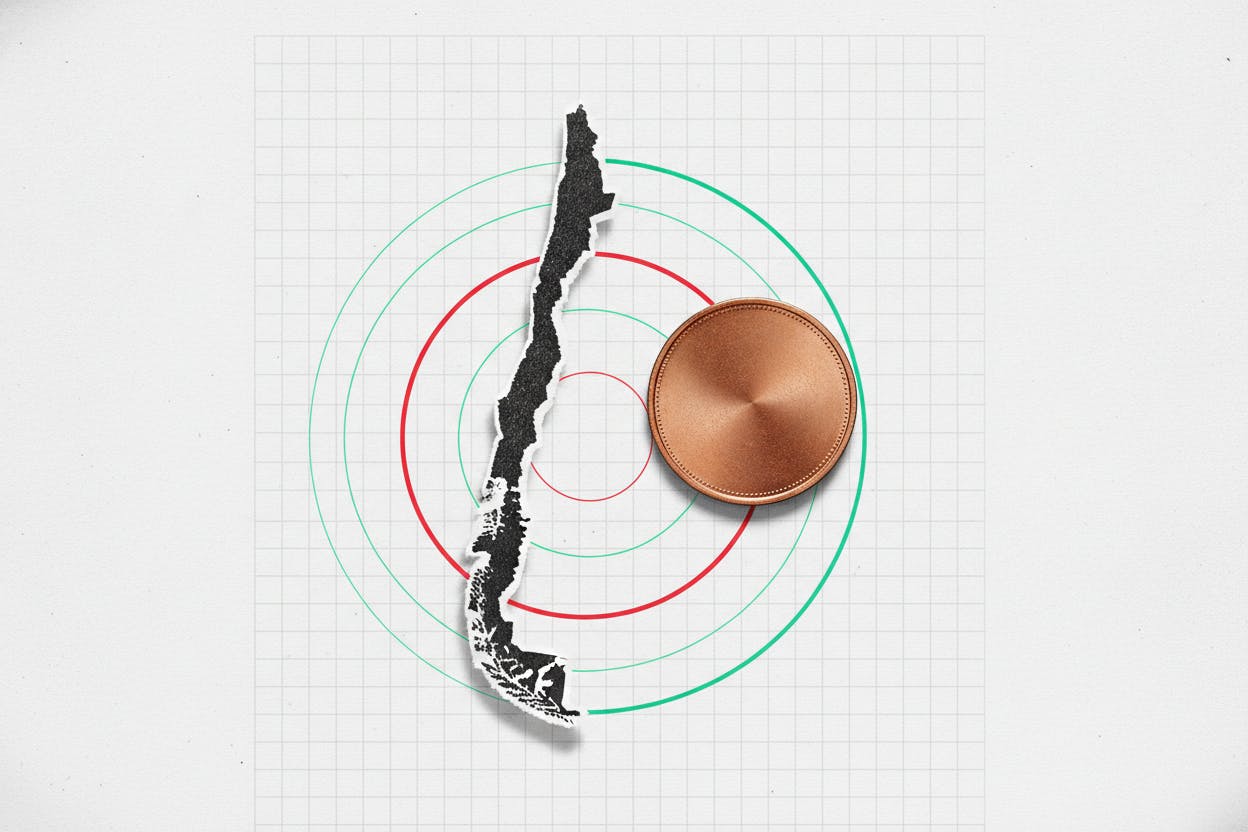
Chile's inflation rate has moved above the central bank's comfort zone, with annual consumer price growth hitting 4.3% in June. The figure, released this week, marks a breach of the bank's target range and comes as policymakers have kept the benchmark interest rate steady at 4.5%.
Consumer prices were unchanged from May to June, but the flat monthly reading was not enough to prevent the annual rate from climbing. The central bank's target is 3%, with a tolerance band of plus or minus one percentage point, meaning the June reading of 4.3% sits above the upper limit of that band.
Why Inflation Is Creeping Higher
The rise in annual inflation reflects base effects from a year ago, when prices were rising more slowly, as well as persistent pressures in certain sectors. While the monthly flat reading suggests some near-term cooling, the annual figure is what central bankers watch most closely when setting policy.
Chile's central bank has been in a holding pattern, keeping its policy rate at 4.5% after a series of cuts earlier in the cycle. The decision to hold steady reflects a cautious approach as inflation remains above target and global uncertainties—including volatile energy prices and geopolitical tensions—continue to cloud the outlook.
The situation in Chile echoes trends seen in other economies where inflation has proved stickier than expected. Central banks around the world have been grappling with the challenge of bringing inflation back to target without tipping their economies into recession. For example, Poland's central bank held its rate at 3.75% as inflation there returned to target, showing the varied pace of the global disinflation process.
What It Means for Investors
For everyday investors, the key takeaway is that Chile's interest rates are likely to stay higher for longer. When inflation runs above a central bank's target, policymakers typically keep rates elevated to cool demand and bring prices back down. That means borrowing costs for mortgages, business loans, and credit cards in Chile will remain relatively high.
Higher rates can also weigh on stock market performance, particularly for companies that rely on cheap debt to finance growth. Sectors like real estate, consumer discretionary, and small-cap stocks tend to be more sensitive to interest rate changes. On the other hand, higher rates can benefit banks, which earn more on the spread between what they pay depositors and what they charge borrowers.
Chile's peso may also feel the impact. When a central bank holds rates steady while inflation is above target, it can create uncertainty about future policy moves. If investors expect the bank to eventually raise rates, the currency could strengthen in the short term. But if they see the bank as too slow to act, the peso could weaken.
Global investors often compare inflation trends across countries to gauge where to allocate capital. Chile's inflation surprise comes at a time when other emerging markets are also facing price pressures. China's central bank has vowed to keep policy loose as weak demand persists, highlighting the divergence between economies fighting inflation and those fighting deflation.
What to Watch Next
Investors will be watching Chile's next central bank meeting closely for any signal of a rate change. If inflation continues to run above target, the bank may be forced to raise rates—a move that would surprise markets that had been expecting a prolonged pause or even cuts later this year.
Key data points to monitor include monthly inflation readings, wage growth, and consumer spending. If domestic demand remains strong, it could keep upward pressure on prices, making it harder for the central bank to ease policy.
Commodity prices also matter for Chile, a major copper exporter. Higher copper prices can boost the economy and the peso, but they can also fuel inflation by increasing export revenues and domestic spending. Conversely, a global slowdown that hits copper demand could cool inflation but also hurt growth.
The broader global backdrop adds another layer. Eurozone bond yields have risen as oil surges fuel inflation fears, showing how energy prices are a common thread in inflation stories worldwide. If oil prices stay elevated, Chile's import costs will rise, adding to domestic price pressures.
For now, the message from Chile's central bank is one of caution. Inflation is above target, rates are on hold, and the path forward depends on how quickly price pressures ease. Investors should expect continued volatility in Chilean assets until there is clearer evidence that inflation is heading back toward the 3% target.