New Zealand borrowers should brace for a prolonged period of rising interest rates, according to a new forecast from BNZ, one of the country's largest banks. BNZ Research expects the Reserve Bank of New Zealand (RBNZ) to continue lifting its official cash rate (OCR) in 25-basis-point steps, with the policy rate peaking near 4% by May 2027.
The RBNZ recently raised the OCR by 0.25 percentage points to 2.5%, a move that BNZ said markets had largely priced in. But the bank's economists believe this is just the beginning of a longer tightening cycle, not a one-off adjustment. The central bank's near-term inflation outlook remains elevated, and BNZ sees policymakers maintaining a cautious, gradual approach to bring price pressures under control.
What Is the Official Cash Rate and Why Does It Matter?
The official cash rate is the key interest rate set by the RBNZ. It influences the cost of borrowing across the economy, from mortgages and business loans to credit cards and savings accounts. When the OCR rises, banks typically pass on those higher costs to customers, making loans more expensive and savings more rewarding. For everyday investors, a higher OCR can mean larger mortgage payments, but also better returns on term deposits and savings accounts.
BNZ's forecast suggests the RBNZ will raise the OCR in quarter-point increments over the next few years, reaching a peak of around 4% by May 2027. That would represent a total increase of 1.5 percentage points from the current level. While that may seem modest, the cumulative effect on household budgets and business investment could be significant, especially for those with variable-rate debt.
Why the RBNZ Is Expected to Keep Hiking
The RBNZ's primary mandate is to keep inflation within a target range of 1% to 3% over the medium term. Recent data shows inflation running above that target, driven by factors like rising energy costs, supply chain disruptions, and strong domestic demand. The central bank has signaled it is willing to raise rates further to cool the economy and bring inflation back down.
BNZ's outlook aligns with that stance. The bank's economists note that while the RBNZ's near-term inflation forecasts may have softened slightly, the underlying pressures remain persistent. They expect the central bank to err on the side of caution, raising rates gradually to avoid shocking the economy while still tightening enough to curb price growth.
This gradual approach is similar to what other central banks, like the U.S. Federal Reserve and the Reserve Bank of Australia, have adopted in recent years. However, New Zealand's economy is relatively small and open, making it more sensitive to global commodity prices and trade flows. For instance, a rally in oil prices can push up domestic fuel costs, feeding into broader inflation. The Kiwi dollar has already strengthened on the back of oil price gains and rate hike expectations, which can help dampen import inflation but also weigh on export competitiveness.
What It Means for Investors
For everyday investors, the key takeaway is that borrowing costs are likely to keep rising, which has implications for both personal finances and investment portfolios.
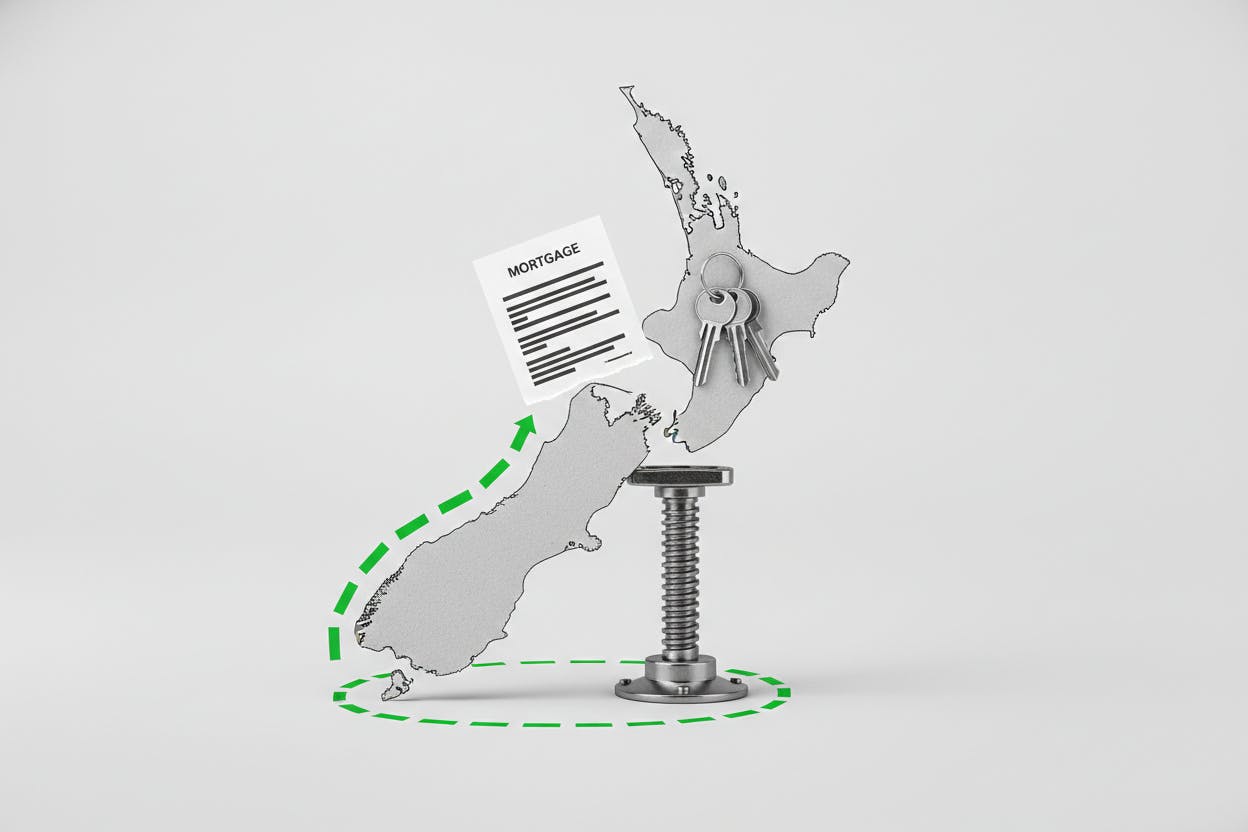
- Mortgage holders: Those with variable-rate mortgages or loans due for refinancing should expect higher monthly payments. Locking in a fixed rate now might provide certainty, but fixed rates could also rise as the OCR increases.
- Savers: Higher OCRs typically lead to better returns on savings accounts and term deposits. Investors with cash holdings may benefit from rising interest rates, though inflation may still erode real returns.
- Bond investors: Rising interest rates generally push down the prices of existing bonds, as newer bonds offer higher yields. Investors holding long-duration bonds could see capital losses.
- Equity investors: Higher borrowing costs can squeeze corporate profits, especially for companies with high debt levels or those in interest-rate-sensitive sectors like housing and construction. However, some sectors, like banks, may benefit from wider net interest margins.
Investors should also keep an eye on the broader economic backdrop. New Zealand's factory activity recently surged to a near three-year high, as reported in our earlier coverage, suggesting the economy still has some momentum. But if the RBNZ tightens too aggressively, it could slow growth and increase the risk of a recession.
What to Watch Next
Markets will be closely watching the RBNZ's next policy meeting for any hints about the pace and magnitude of future rate hikes. Key data points include quarterly inflation reports, employment figures, and consumer spending trends. If inflation proves stickier than expected, the RBNZ may accelerate its tightening, pushing the OCR above 4% sooner than BNZ's forecast suggests.
For now, BNZ's projection provides a baseline scenario: a slow, steady climb in borrowing costs over the next few years. Investors should factor that into their financial planning, whether they are managing debt, building savings, or rebalancing their portfolios.