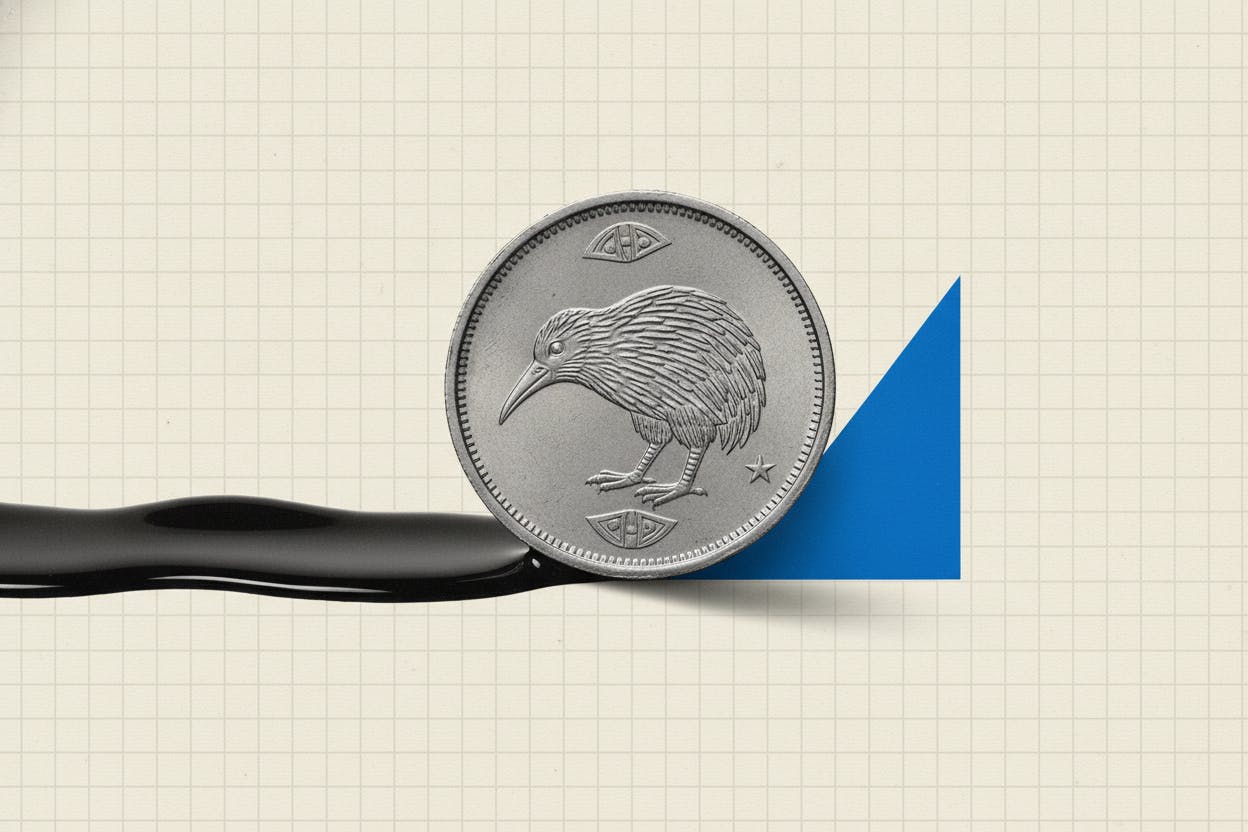
The New Zealand dollar, known as the kiwi, edged higher on Wednesday as a surge in oil prices and rising bets on further interest rate hikes from the Reserve Bank of New Zealand (RBNZ) boosted the currency. The move comes after the central bank raised its official cash rate to 2.50%, its latest step in a tightening cycle aimed at taming inflation.
What's Driving the Kiwi Higher?
Two main forces are at play. First, oil prices have climbed sharply, partly due to geopolitical tensions in the Middle East. Higher oil prices tend to support commodity-linked currencies like the kiwi, as New Zealand is a net exporter of agricultural goods and benefits from stronger global demand. For context, when oil rises, it often signals stronger global economic activity, which can lift currencies tied to commodities.
Second, traders are increasingly convinced that the RBNZ isn't done raising rates. According to Reuters, markets are now pricing a 74% probability of another rate hike at the central bank's September meeting. That expectation has pushed New Zealand's two-year swap rate—a market gauge of where short-term interest rates are headed—up by 12 basis points to 3.4850%. The 10-year government bond yield has also moved higher, reflecting the same sentiment.
Swap rates are essentially the cost for banks to exchange fixed and floating interest payments, and they are a key indicator of where the market thinks official rates are going. When swap rates rise, it signals that investors expect tighter monetary policy ahead.
RBNZ's Tightening Cycle
The RBNZ has been one of the more aggressive central banks in the developed world, raising rates steadily from historic lows to combat inflation that has been running above its target range. Wednesday's hike to 2.50% is part of that effort. The bank has signaled that further increases may be needed to bring inflation back under control, and the market is now betting heavily on another move in September.
This tightening cycle has implications for New Zealand's economy. Higher rates can slow borrowing and spending, which may dampen economic growth. However, they also make the kiwi more attractive to foreign investors seeking higher yields, which supports the currency.
What It Means for Investors
For everyday investors, the kiwi's rise and the prospect of higher rates have several knock-on effects. First, if you hold New Zealand dollar-denominated assets—such as bonds or cash—higher rates could boost your returns, as yields rise. Conversely, if you're invested in New Zealand stocks, higher rates can weigh on share prices, as companies face higher borrowing costs and consumers may spend less.
The oil rally is also worth watching. Higher oil prices can feed into inflation globally, which may prompt other central banks to keep tightening. That could affect markets beyond New Zealand. For example, recent oil surges have rattled emerging markets, and similar dynamics could play out in New Zealand if energy costs remain elevated.
Investors should also keep an eye on New Zealand's economic data. Recent reports, such as strong factory activity, suggest the economy is holding up, but higher rates could slow momentum. The RBNZ's next decision in September will be a key event to watch.
Broader Context
The kiwi's move is part of a wider trend in currency markets, where commodity-linked currencies have been sensitive to oil price swings and central bank policy expectations. The Australian dollar, for instance, has also seen volatility amid similar factors. Meanwhile, the US dollar has been strong, which typically puts pressure on other currencies, but the kiwi has managed to gain on the back of rate hike bets.
Geopolitical risks, such as tensions in the Strait of Hormuz, have added to oil's upward momentum. As we've seen in Asia markets split by these tensions, the impact varies by region. For New Zealand, higher oil prices are a mixed bag: they boost export revenues but also raise costs for importers and consumers.
Looking Ahead
All eyes will be on the RBNZ's September meeting. If the bank delivers another hike, the kiwi could strengthen further. However, if economic data weakens or oil prices reverse, the currency could give back some gains. Investors should also monitor global oil markets and any shifts in central bank rhetoric.
For now, the kiwi's lift reflects a market that is betting on continued tightening and benefiting from a commodity tailwind. Whether that bet pays off will depend on how the economy and inflation evolve in the months ahead.



