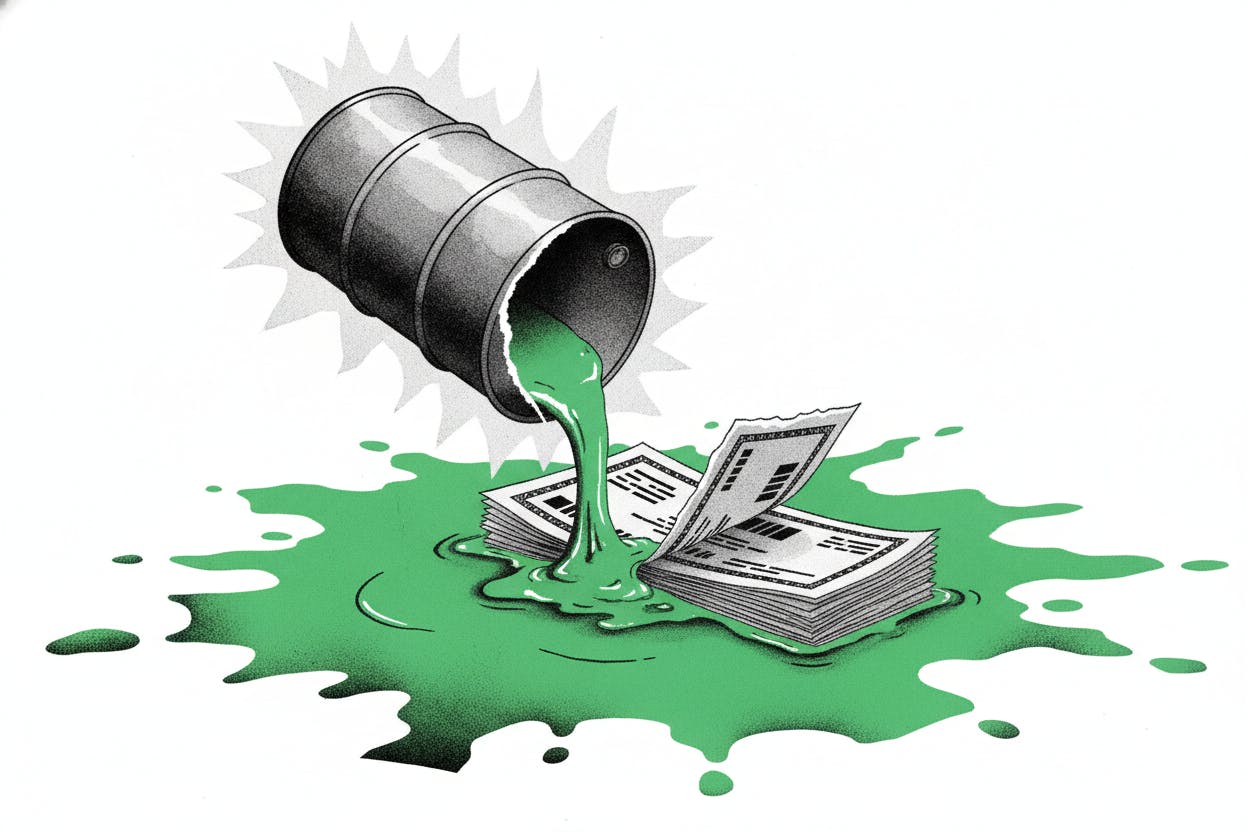
Emerging-market assets took a hit on Tuesday after President Donald Trump declared the interim Iran nuclear deal "over," sending oil prices surging about 5% and rattling global risk appetite. The move, reported by Reuters, marks a sharp reversal in geopolitical sentiment that had briefly raised hopes of de-escalation in the Middle East.
What happened?
Trump's comments came after a new wave of US strikes and after Washington withdrew a concession that had allowed Iran to sell oil globally. The president said he didn't want to engage with Tehran, effectively killing the interim deal that had been seen as a potential step toward ending the war. With the ceasefire suddenly looking less reliable, traders quickly repriced the "war risk" back into crude, sending oil to two-week highs.
The impact rippled through global markets. Emerging-market currencies and stocks slipped as investors fled riskier assets. However, foreign exchange moves remained relatively muted, with many traders holding fire ahead of the release of the Federal Reserve's minutes from its latest meeting. That caution suggests markets are still weighing the geopolitical shock against the broader economic outlook.
Why it matters for investors
For everyday investors, the key takeaway is that geopolitical events can quickly shift market dynamics, especially in energy and emerging markets. Oil's 5% jump is significant because it feeds into inflation concerns—higher energy costs can squeeze consumer spending and complicate central bank policy. The Fed minutes, due later this week, will be closely watched for any hints on how policymakers view the impact of rising oil prices on their rate decisions.
Emerging markets are particularly sensitive to oil price spikes because many are net importers of crude. A sustained rally in oil could weigh on their currencies and stock markets, as seen in recent sessions. For example, South Africa has already braced for volatility amid the oil surge and a tech selloff. Meanwhile, Latin American markets have been hit by a chip stock selloff as the Fed minutes loom, adding another layer of uncertainty.
What to watch next
Investors should keep an eye on oil prices in the coming days. If the rally continues, it could spill over into bond markets, where Treasury yields have already hit four-week highs amid the oil surge and a heavy auction week. Higher yields can make riskier assets like emerging-market stocks less attractive, potentially leading to further outflows.
The Fed minutes will also be critical. If they signal a more hawkish stance due to inflation risks from higher oil, that could strengthen the dollar and put additional pressure on emerging-market currencies. On the other hand, if the Fed downplays the impact, markets may stabilize.
For now, the situation remains fluid. The collapse of the Iran deal removes a key source of potential stability in the Middle East, and the oil market is likely to remain volatile. Investors with exposure to emerging markets or energy stocks should brace for continued swings, while those in safer assets like Treasuries may see some relief if risk-off sentiment persists.