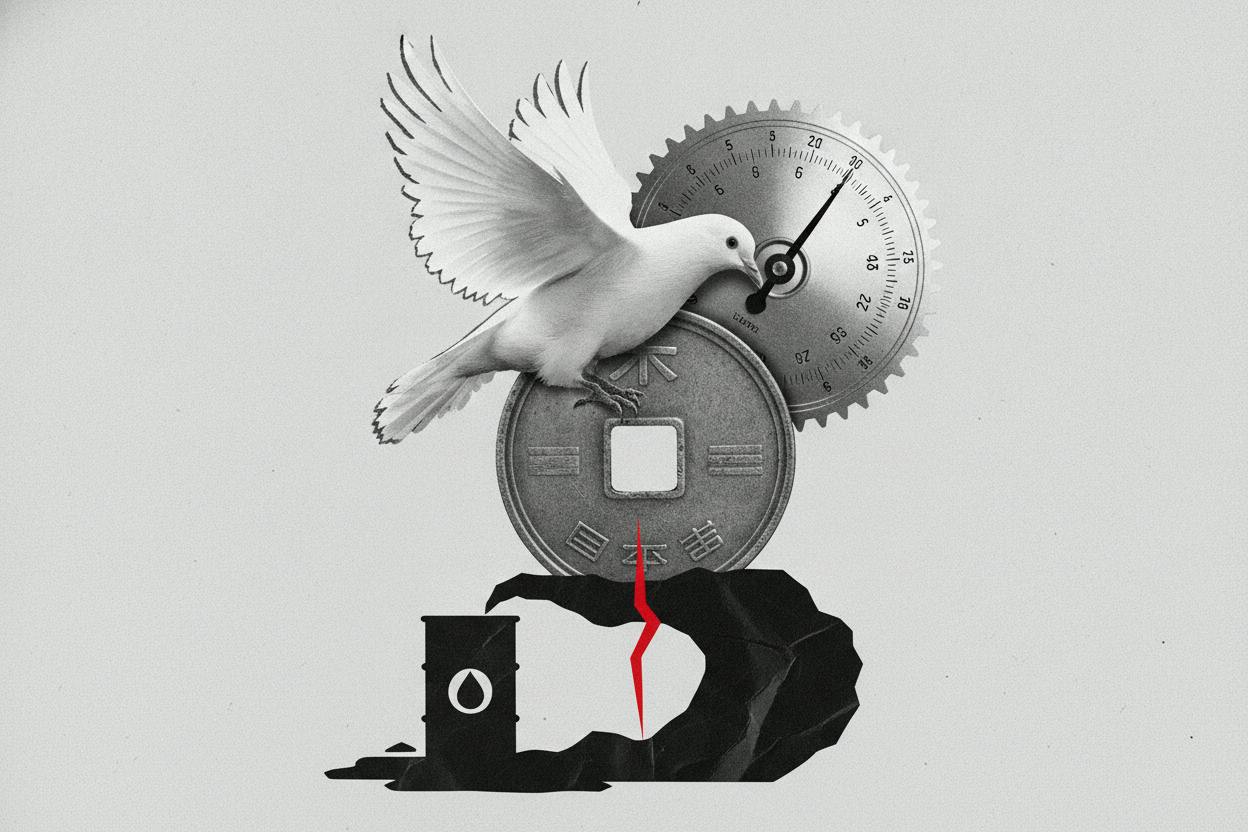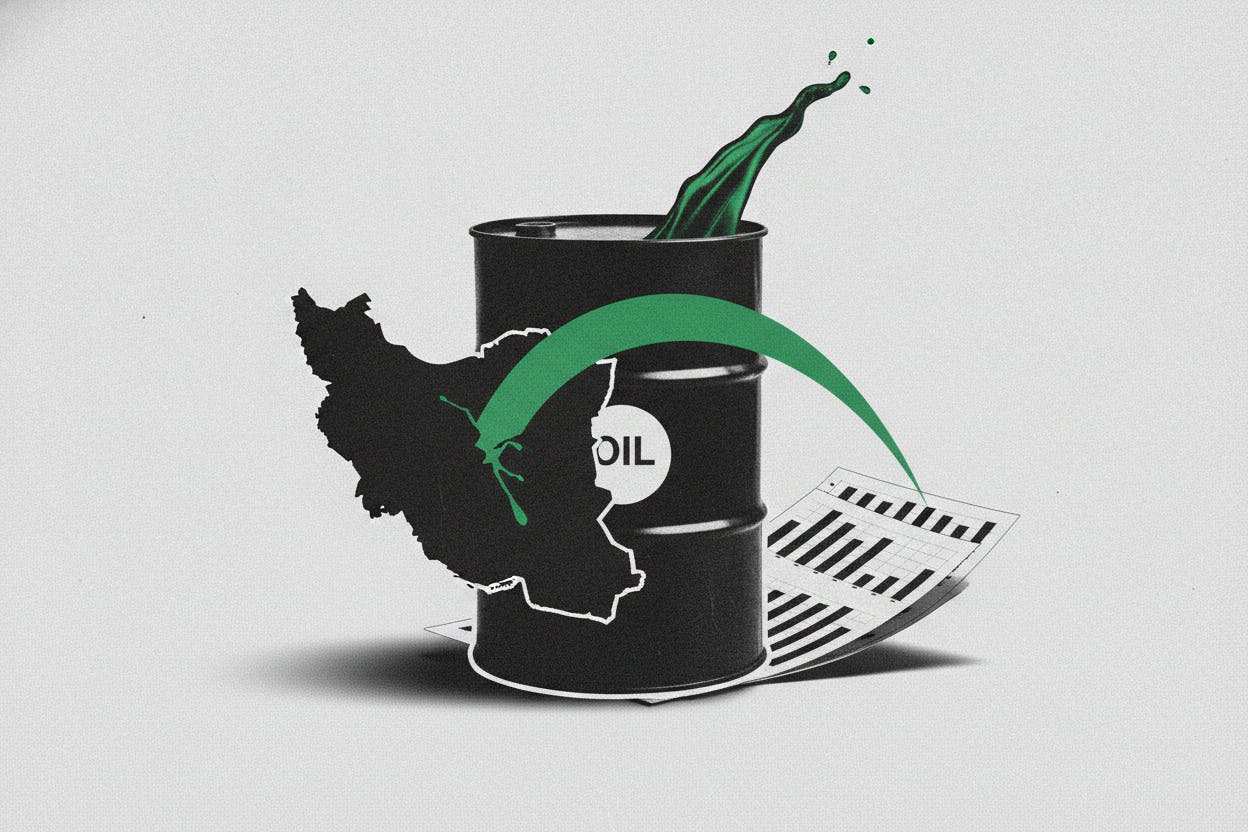
Oil prices jumped more than 6% on Tuesday after President Donald Trump declared a peace deal with Iran "is over" and threatened further strikes, sending US stock markets lower in a classic risk-off shift.
Crude futures rose 6.1%, their biggest one-day gain in weeks, as traders priced in the possibility of supply disruptions from the Middle East. At the same time, broad-market exchange-traded funds tracking US stocks fell: the iShares Russell 2000 ETF (IWM), which tracks small-cap stocks, and the iShares Core S&P 500 ETF (IVV), which follows large-cap companies, both declined.
What triggered the move?
The catalyst was President Trump's statement that the June ceasefire agreement with Iran "is over" and his warning that the US would carry out more strikes if necessary. The comments revived fears of a broader conflict in the oil-rich region, where any disruption to production or shipping routes can quickly push up global energy prices.
Markets interpreted the news as a sudden increase in geopolitical risk. Investors sold stocks and rotated into assets traditionally seen as safer during uncertainty, such as US Treasury bonds. That pushed bond yields higher, partly because rising oil prices feed into inflation expectations, which can keep yields from falling much.
What it means for investors
For everyday investors, this is a reminder that geopolitical events can quickly reshape markets. A 6% jump in oil is significant: it raises costs for airlines, shipping companies, and any business that relies heavily on fuel. It can also feed into broader inflation, which may influence how the Federal Reserve approaches interest rates.
Broad-market ETFs like IWM and IVV are popular among investors who want diversified exposure to US stocks. Their decline on Tuesday reflects a broad sell-off, not just in one sector. Small-cap stocks, tracked by IWM, are often more sensitive to economic uncertainty because they tend to have less pricing power and higher debt loads than large companies.
Energy stocks, by contrast, typically benefit from rising oil prices. While the brief does not specify individual stock moves, investors should expect the energy sector to outperform on days like this, as higher crude prices directly boost revenues for oil producers.
Broader context
This is not the first time this year that tensions with Iran have rattled markets. Earlier this month, oil surged 4% after Trump's initial comments on the Iran deal, and Treasury yields rose as investors weighed the inflation implications. In June, a similar spike in oil prices hit Indian markets particularly hard, as Indian stocks and the rupee fell on the country's heavy reliance on imported crude.
The current move is larger than those earlier episodes, suggesting markets are taking the threat more seriously. If the situation escalates further, oil could stay elevated, putting pressure on central banks to keep interest rates higher for longer to combat inflation.
What to watch next
Investors will be watching for any diplomatic developments or further military actions that could either ease or intensify the crisis. The US dollar's direction will also matter: a stronger dollar can dampen oil's rally by making crude more expensive for buyers using other currencies.
For those with diversified portfolios, days like this highlight the value of holding a mix of assets. While stocks fell, bonds and commodities like oil offered some offset. As always, no single event should drive a hasty decision, but understanding how geopolitical risks affect different parts of your portfolio is key to staying informed.