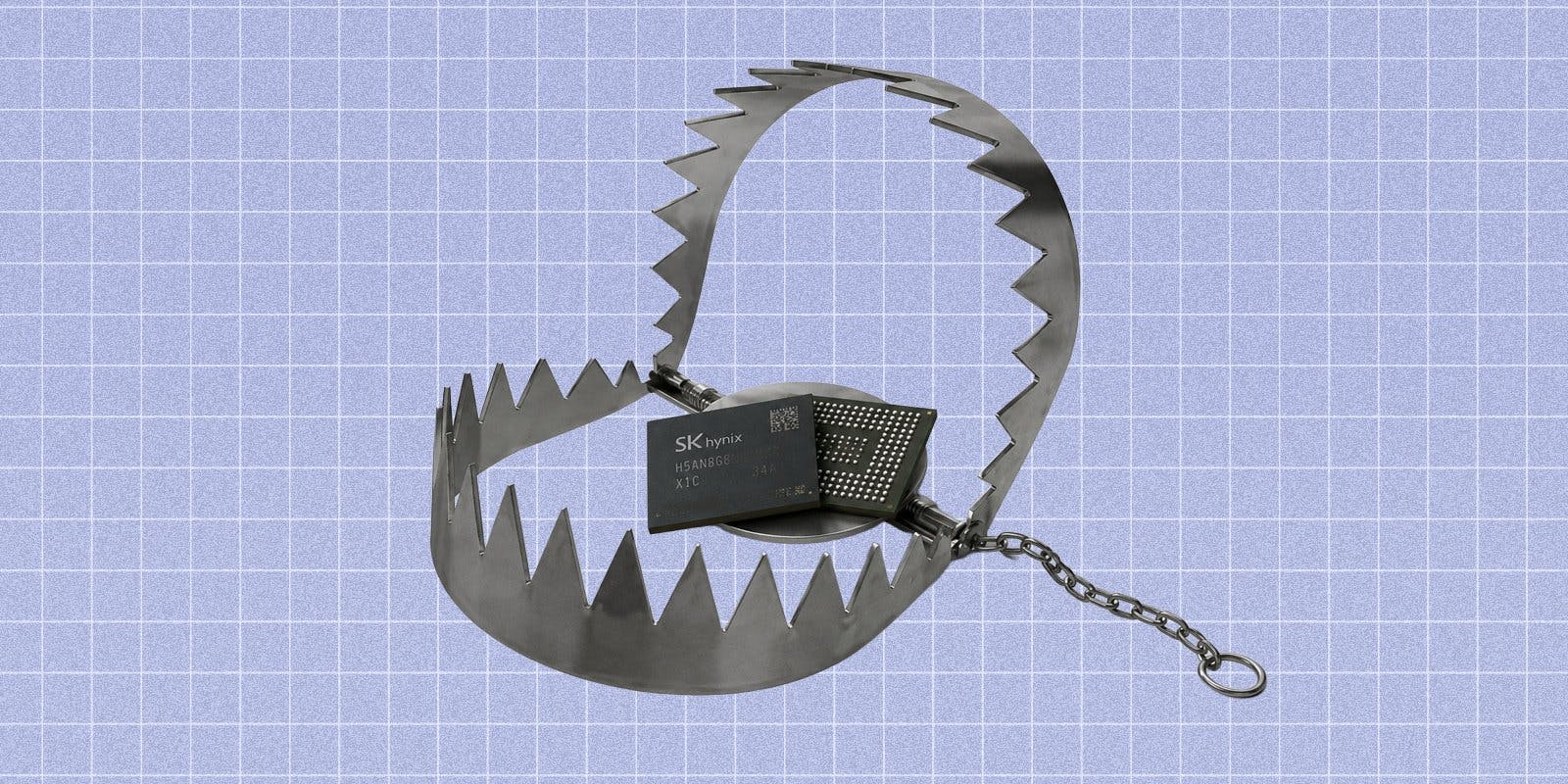
South Korea's main stock market index, the Kospi, officially entered bear market territory on Wednesday after falling 20.5% from its recent high in June. The drop marks a sharp reversal for a market that had been on a record-breaking run for more than a year.
A bear market is defined as a decline of at least 20% from a recent peak. The term comes from the idea that a bear swipes its paw downward, while a bull thrusts upward. For everyday investors, a bear market signals that the index has lost significant value and that the broader market is under pressure.
What drove the decline?
The Kospi's slide has been led by its two largest components: Samsung Electronics and SK Hynix. Together, these tech giants account for roughly 64% of the index's total value. When their stocks fall, the entire index feels the weight.
Both companies are major players in the global semiconductor industry, which has been hit by a slowdown in demand for memory chips. Investors have been selling off tech stocks worldwide amid concerns about rising interest rates and geopolitical tensions. The recent tech sector weakness has been a recurring theme across global markets.
Despite the bear market label, the Kospi is still up more than 130% over the past 12 months. That means the index had been setting new records before the recent pullback. The current decline, while steep, comes after an extraordinary rally.
What does a bear market mean for investors?
For investors holding Kospi-linked funds or South Korean stocks, a bear market can be unsettling. But it's important to remember that bear markets are a normal part of the market cycle. They often follow periods of rapid gains and can create buying opportunities for long-term investors.
The Kospi's heavy reliance on two stocks means its performance is not representative of the entire South Korean economy. Many smaller companies in the index may be performing differently. Investors should look beyond the headline number and consider the broader picture.
Global factors are also at play. Rising interest rates in the US, as highlighted in the Fed minutes, have put pressure on stocks worldwide. Higher rates make borrowing more expensive for companies and can slow economic growth, which hurts corporate profits.
What to watch next
Investors will be watching for signs of stabilization in the semiconductor market. Samsung and SK Hynix are bellwethers for the global chip industry, and any improvement in demand could lift the entire Kospi.
Another key factor is the broader economic backdrop. South Korea is a major exporter, and its economy is sensitive to global trade conditions. Trade tensions, such as those between the US and Iran that have driven oil prices higher, can also affect the market.
For now, the Kospi's bear market is a reminder that even the hottest markets can cool off. But for investors with a long-term horizon, such pullbacks are often part of the journey.