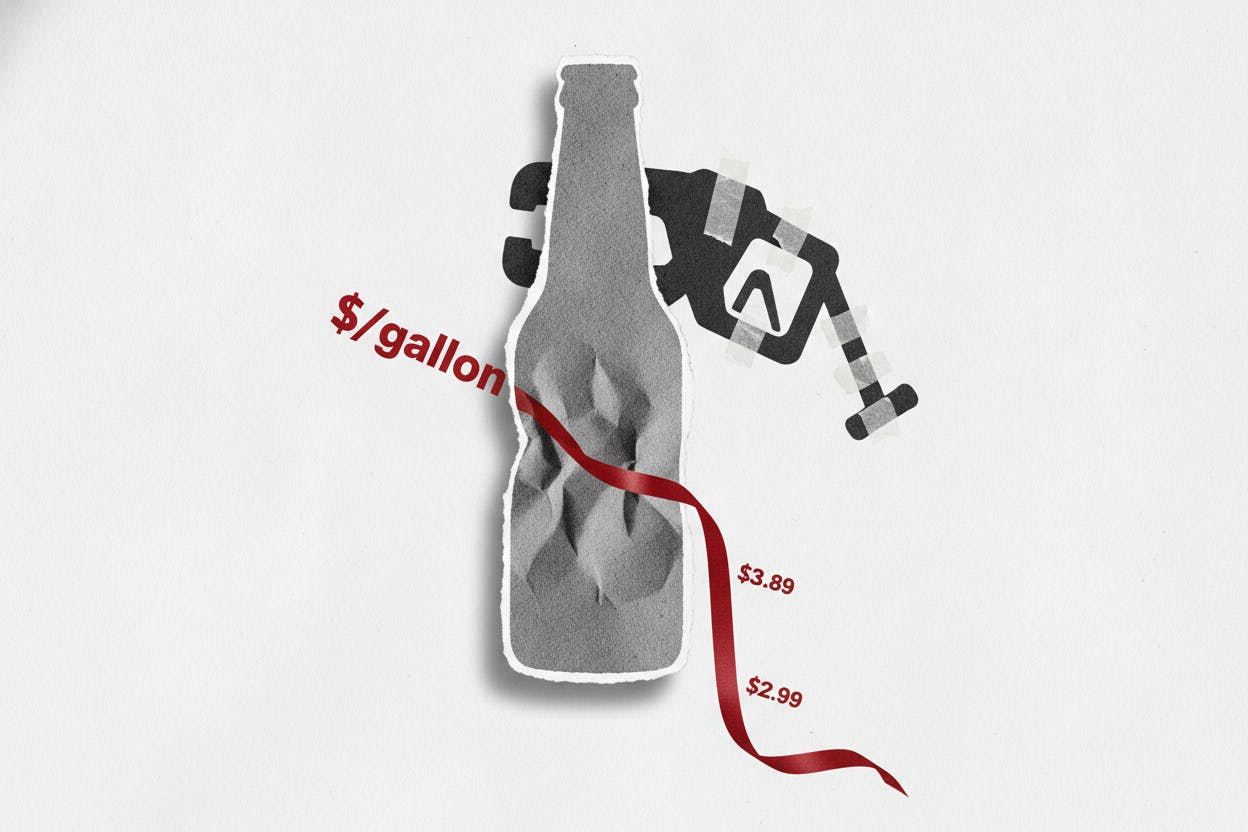
Morgan Stanley has trimmed its price target on Constellation Brands to $158 from a previous level, while maintaining an equal-weight rating on the stock. The move comes as the investment bank sees a potential near-term lift for the beer giant, driven by cooling US gasoline prices that could ease pressure on consumer spending.
Constellation Brands, the company behind popular beer brands Modelo and Corona, reported fiscal first-quarter results that topped Wall Street expectations, helping steady the stock amid a broader slowdown in US beer demand. The company's shipments grew 1.8% in the quarter, boosted in part by the FIFA World Cup, but a key metric called "depletions" — the rate at which products leave store shelves — was soft in April and May.
Why Gas Prices Matter for Beer Sales
Morgan Stanley's analysts argue that high gasoline prices have been squeezing shoppers' weekly budgets, leading to softer depletions for Constellation's beers. When consumers spend more at the pump, they often cut back on discretionary purchases, including premium beer. However, with US gas prices now falling, that pressure should fade, potentially giving Constellation a short-term boost.
The bank's analysis suggests that lower fuel costs could free up disposable income, encouraging consumers to buy more beer. This dynamic is particularly relevant for Constellation, whose brands like Modelo and Corona are often seen as affordable luxuries. If gas prices continue to decline, the company could see a rebound in depletions in the coming months.
What the Rating and Target Mean
An equal-weight rating from Morgan Stanley indicates that the bank views Constellation Brands as fairly valued relative to its peers, neither overweight nor underweight. The price target cut to $158 reflects a more cautious outlook on the stock's near-term potential, but the bank's commentary suggests that the downside may be limited if gas prices keep falling.
For context, Constellation Brands has been navigating a challenging environment for the beer industry, with overall demand cooling after a pandemic-era boom. The company has relied on its strong brand portfolio and marketing efforts to maintain market share, but softer depletions have raised concerns among investors. Morgan Stanley's note provides a nuanced view: while the near-term headwinds are real, they may be temporary.
Broader Market Context
The broader market has been cautious in recent weeks, with investors watching for signs of economic slowdown and central bank policy moves. The Federal Reserve has signaled a pause in interest rate hikes, sticking to its 2% inflation target, which has helped stabilize markets. However, consumer spending remains a key focus, as higher prices for essentials like gas and food continue to strain household budgets.
In this environment, companies like Constellation Brands that sell consumer staples are often seen as defensive plays, but they are not immune to shifts in consumer behavior. The beer industry, in particular, has faced headwinds from changing drinking habits and competition from spirits and cannabis products. Morgan Stanley's analysis highlights how external factors like gas prices can influence even established brands.
What It Means for Investors
For everyday investors, Morgan Stanley's note offers a reminder that short-term market movements can be driven by factors beyond a company's control. Constellation Brands' stock may see a lift if gas prices continue to fall, but the long-term outlook depends on the company's ability to sustain demand for its brands in a competitive market.
Investors should also consider that the price target cut to $158 suggests limited upside from current levels, even with the potential boost from lower gas prices. The equal-weight rating implies that the stock is not a standout buy or sell, but rather a hold for those already invested. As always, it's important to look at the broader picture, including the company's earnings trends, market share, and industry dynamics.
In related news, other analysts have been adjusting their targets on consumer stocks amid shifting economic conditions. For example, UBS recently cut its target on Nike as the sportswear giant's turnaround stalls, highlighting the challenges facing consumer discretionary companies. Meanwhile, Morgan Stanley upgraded Grindr, seeing AI and telehealth as growth drivers, showing the bank's varied outlook across sectors.
Ultimately, Constellation Brands' near-term prospects hinge on whether lower gas prices translate into higher beer sales. If the trend holds, the company could see a modest boost, but investors should remain cautious about the broader demand environment.