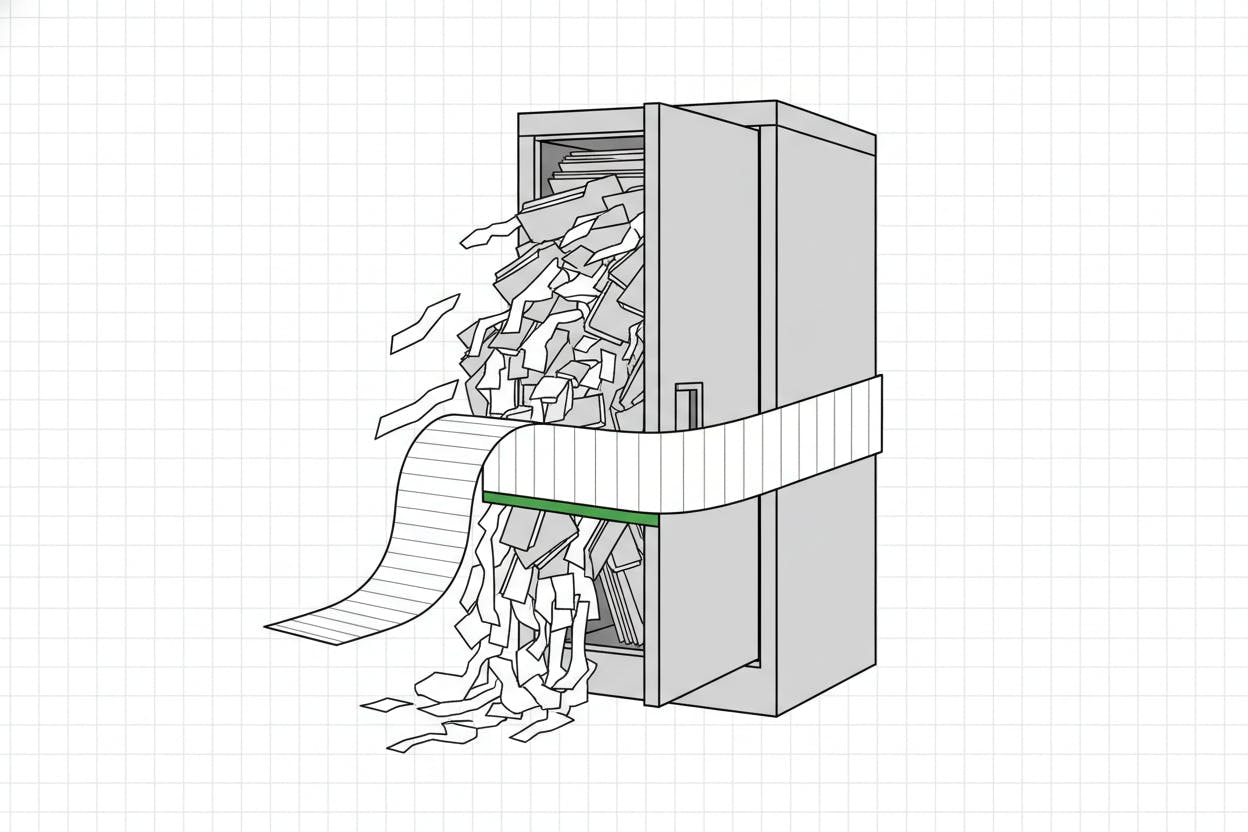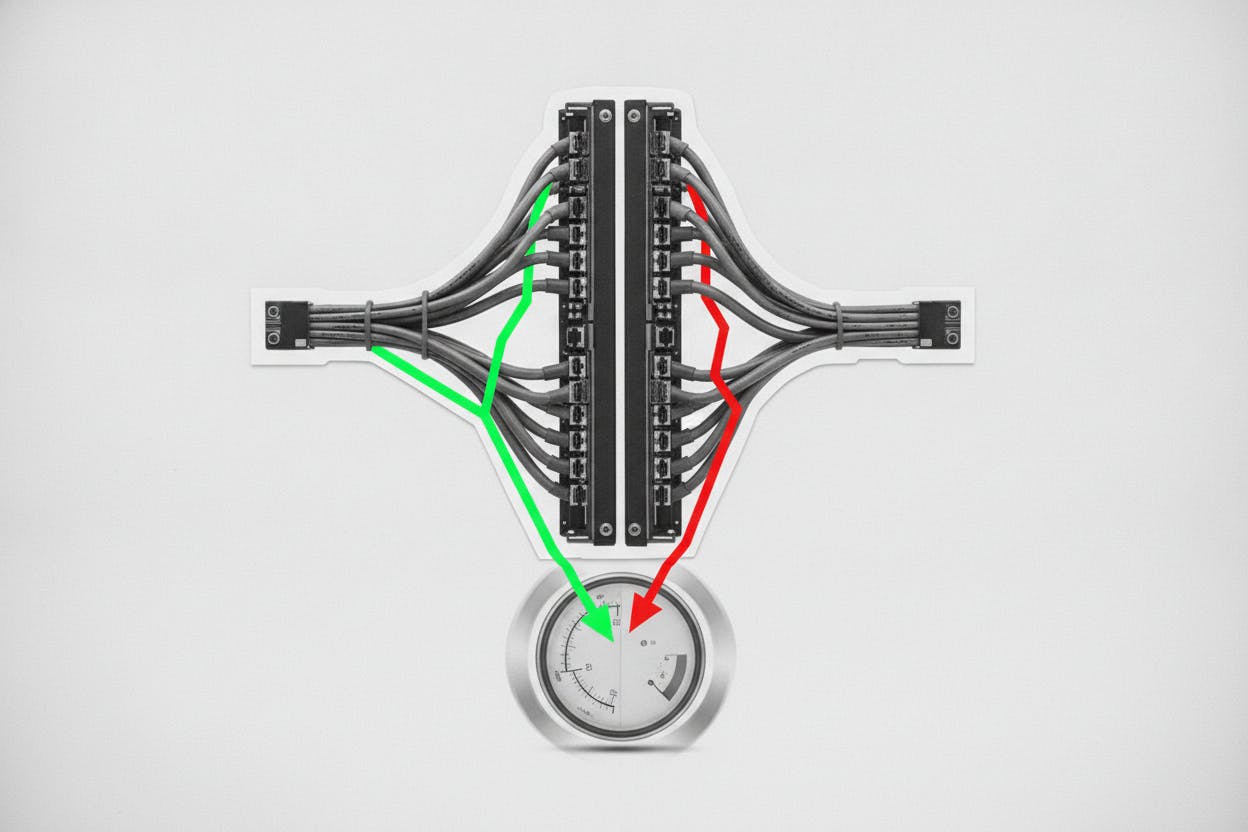
Morgan Stanley is sending a mixed signal on the companies that build the plumbing for AI data centers. The bank raised its price target on Astera Labs to $335 ahead of the company's earnings report on Tuesday, but slashed its target on GlobalFoundries to $57, citing a softer outlook for mobile chips tied partly to Qualcomm.
The divergent calls highlight how the AI boom is creating winners and losers even among semiconductor suppliers. While demand for AI infrastructure remains red-hot, traditional chip markets like smartphones are cooling, and investors are increasingly differentiating between the two.
Astera Labs: riding the AI data center wave
Astera Labs makes connectivity chips and hardware that help move data quickly between servers, accelerators, and memory inside AI data centers. These components are often described as the "plumbing" of AI systems—essential but less visible than the headline-grabbing processors from Nvidia and others.
Morgan Stanley's decision to lift the target to $335 suggests the bank expects strong results when Astera reports earnings on Tuesday. The company has been a direct beneficiary of the massive capital spending by hyperscale cloud providers and other tech giants building out AI infrastructure. That spending shows no signs of slowing, as evidenced by KKR's record $19.2 billion infrastructure fund, which is targeting AI data centers among other assets.
For everyday investors, Astera's stock is a way to play the AI buildout without owning the mega-cap names. But it's also a volatile, high-growth stock, and the earnings report will be a key test of whether the optimism is justified.
GlobalFoundries: mobile weakness weighs
GlobalFoundries is a major contract chipmaker, producing semiconductors for a wide range of applications, including smartphones, automotive, and industrial uses. Unlike Astera, its fortunes are closely tied to the broader semiconductor cycle, and especially to the mobile market.
Morgan Stanley cut its price target to $57, citing a softer mobile outlook. The weakness is partly linked to Qualcomm, one of GlobalFoundries' key customers, which has seen demand for smartphone chips wane as consumers hold onto their devices longer and upgrade less frequently.
This is a reminder that not all chip companies are benefiting equally from the AI boom. While AI-specific components are in high demand, the broader semiconductor market is still dealing with inventory corrections and uneven end-market demand.
What it means for investors
The split call from Morgan Stanley underscores the importance of looking beyond the "AI trade" label. Companies that are directly exposed to AI data center spending—like Astera—may continue to see strong growth, while those with more diversified exposure, like GlobalFoundries, could face headwinds from weaker segments.
For investors, this is a useful reminder to understand where a company's revenue actually comes from. A chipmaker might be lumped into the "AI" bucket, but if its biggest customers are smartphone makers, it may not benefit as much from the AI boom as its stock price suggests.
It's also worth noting that price target changes are just one analyst's opinion. They reflect a snapshot of expectations, not a guarantee of future performance. Still, when a major bank like Morgan Stanley makes a split call like this, it often signals that the market is starting to differentiate more carefully between AI winners and laggards.
Looking ahead, investors will be watching Astera's earnings report on Tuesday for clues about the strength of AI infrastructure spending. They'll also be monitoring Qualcomm's outlook and the broader smartphone market for signs of whether the mobile weakness is temporary or structural.
In the meantime, the divergence between Astera and GlobalFoundries is a case study in how the AI revolution is reshaping the semiconductor industry—creating clear winners, but also leaving some companies behind.