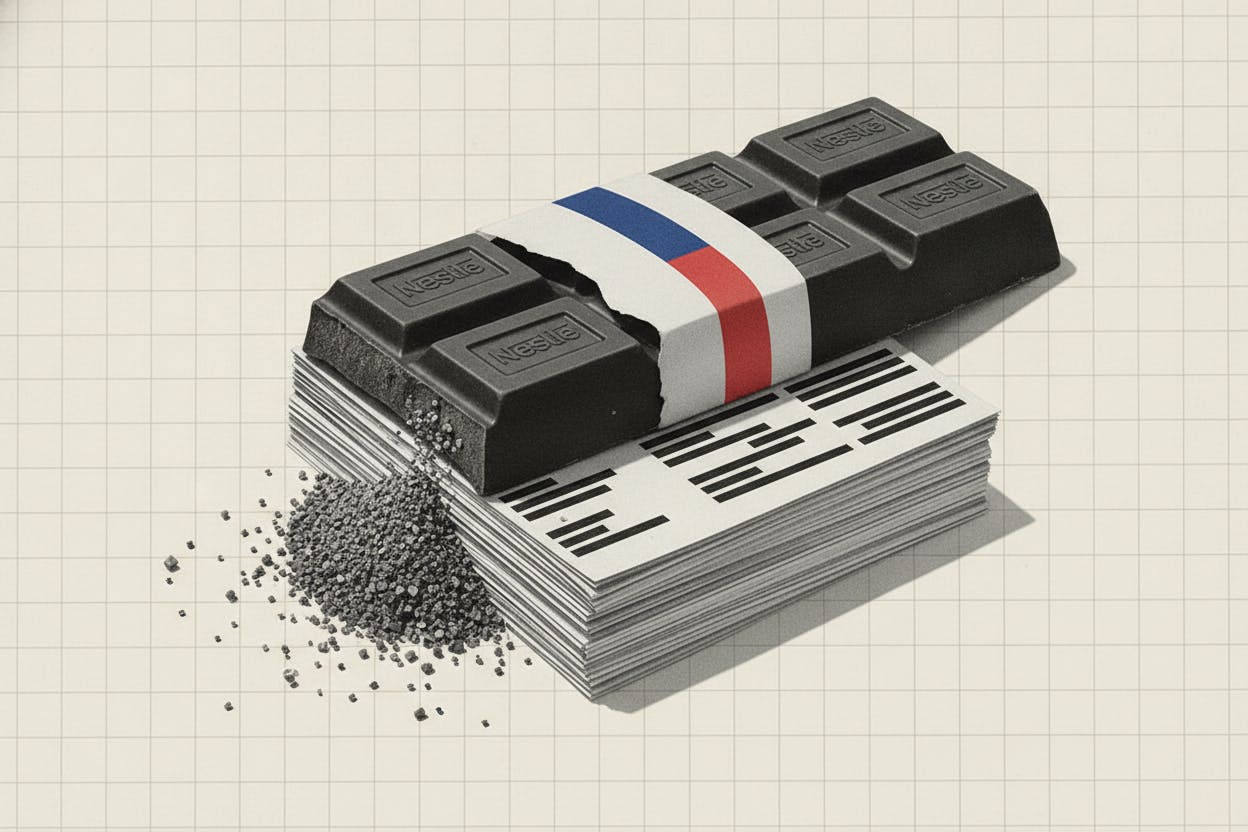
Nestle India, the local arm of Swiss food giant Nestle, reported a 48% jump in first-quarter profit on Wednesday, fueled by strong demand for its iconic brands Maggi noodles, KitKat chocolate, and Nescafe coffee. The company also warned that rising prices for key ingredients like cocoa, sugar, and edible oil could squeeze margins in coming months.
Strong Quarter Across the Board
For the quarter ended June 30, Nestle India posted a profit of 9.75 billion rupees (about $118 million), up from 6.58 billion rupees a year earlier. Revenue climbed 25% to 63.78 billion rupees, as all four of the company's product groups delivered double-digit growth. Management attributed the performance to wider distribution networks and stronger online sales, which helped reach more consumers across India.
Investors reacted positively, pushing Nestle India's stock up as much as 4% on the day. The company's shares have been a favorite among Indian investors for their defensive qualities, given the steady demand for packaged foods even during economic slowdowns.
Inflation Warning: Cocoa, Sugar, and Edible Oil
Despite the strong results, Nestle India flagged that input cost inflation could pose a challenge. Cocoa prices have surged globally due to supply disruptions in West Africa, while sugar and edible oil costs have also risen sharply. These are key ingredients for many of Nestle's products, including chocolates, confectionery, and prepared foods.
"We are closely monitoring the commodity cost environment," the company said in its earnings statement. "While we have seen strong demand, rising input costs may impact margins in the near term."
This warning echoes broader trends in the global food industry, where companies from Unilever to Mondelez have been grappling with higher raw material costs. For Nestle India, the challenge is to balance price increases with maintaining consumer loyalty in a price-sensitive market.
What It Means for Investors
For everyday investors, Nestle India's results highlight the resilience of branded consumer goods in emerging markets. The company's ability to grow revenue by 25% in a single quarter shows that demand for trusted brands like Maggi and KitKat remains robust, even as inflation eats into household budgets.
However, the margin warning is a reminder that no company is immune to cost pressures. If cocoa and sugar prices stay elevated, Nestle India may need to raise prices or accept lower profitability. Investors should watch for updates on how the company manages these costs in the next quarter.
Nestle India's performance also reflects the broader health of the Indian consumer economy. With a large and growing middle class, India remains a key growth market for global food companies. The company's focus on expanding distribution and e-commerce positions it well to capture that growth, but cost inflation remains a wildcard.
For context, other global companies have also reported strong earnings recently. For example, Norsk Hydro beat Q2 profit forecasts on higher aluminum prices, while DSV raised its full-year guidance despite Middle East risks. These reports show that commodity-driven businesses are benefiting from price increases, but consumer goods companies like Nestle face a different dynamic: they must pass on costs without losing customers.
Looking Ahead
Nestle India's next earnings report will be closely watched for signs of margin pressure. Investors will also look for updates on the company's pricing strategy and whether it can sustain double-digit growth in a more challenging cost environment.
For now, the strong profit jump confirms that Nestle's brands remain powerful in India. But the inflation warning serves as a cautionary note for anyone investing in consumer staples: even the best-run companies face headwinds when commodity prices rise.