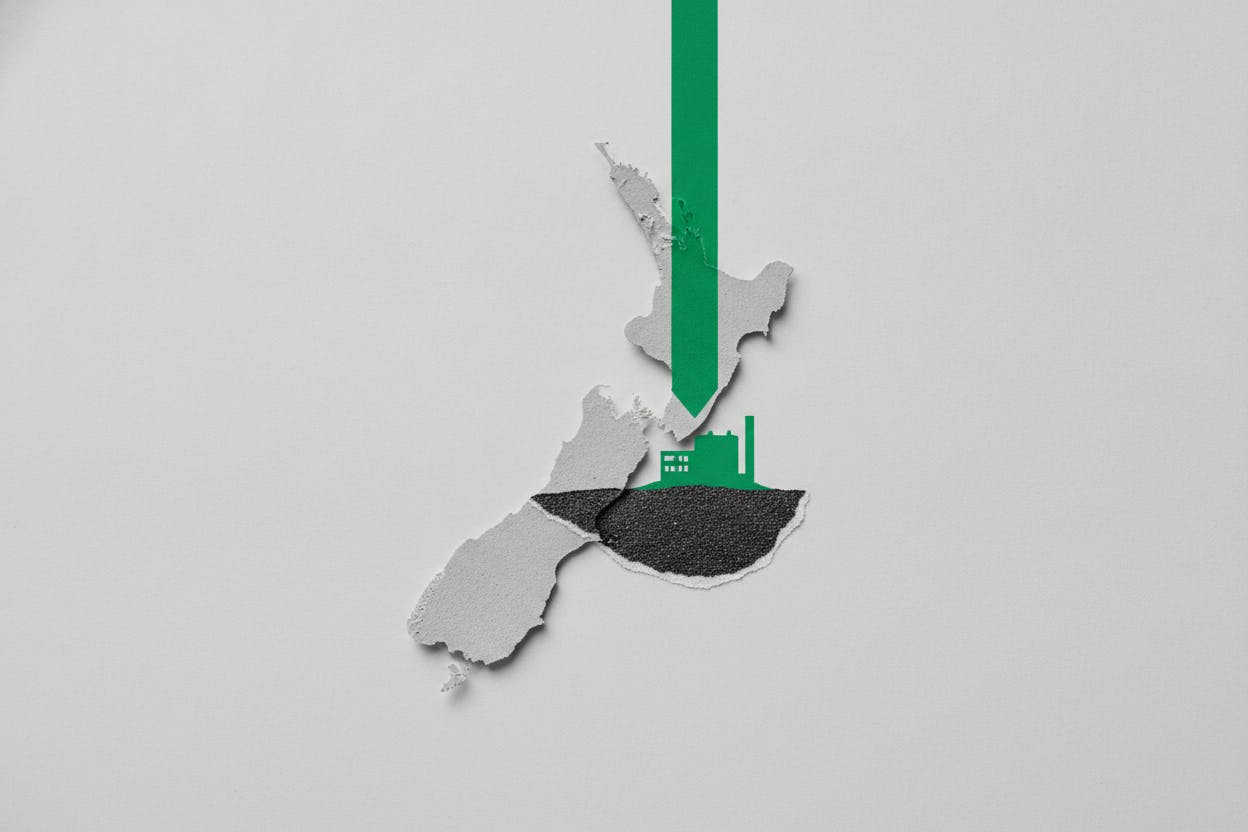
The New Zealand government is putting up to NZ$50 million toward building two mineral-processing plants on the South Island's West Coast, a move aimed at turning locally mined mineral sands into higher-value products like titanium, zirconium, and rare-earth-bearing monazite.
The funding, drawn from the government's Regional Infrastructure Fund, will support separate projects by Taiko Critical Minerals and Westland Mineral Sands. Taiko plans a NZ$40 million "wet separation" plant in Barrytown, while Westland Mineral Sands is proposing a NZ$70 million separation and processing facility near Westport.
Why Process Minerals at Home?
New Zealand currently exports much of its mineral sands in raw form, meaning other countries capture the value from processing. The government's strategy is straightforward: processing at home creates more jobs, keeps more money in the local economy, and builds a domestic supply chain for critical minerals used in everything from aerospace to electronics.
Rare earth elements, which are found in monazite, are essential for making magnets used in electric vehicles, wind turbines, and military hardware. Titanium and zirconium are used in pigments, alloys, and ceramics. By processing these minerals domestically, New Zealand hopes to reduce its reliance on foreign supply chains, particularly from China, which dominates global rare earth processing.
The government has set an ambitious target of NZ$3 billion in minerals exports by 2035, up from current levels. This investment is a step toward that goal, though the plants will take years to build and begin production.
What This Means for Investors
For everyday investors, this news signals that New Zealand is serious about building a critical minerals industry. Government backing reduces some of the financial risk for companies like Taiko Critical Minerals and Westland Mineral Sands, which still need to secure additional funding and regulatory approvals.
Investors should watch for updates on construction timelines, permitting, and any partnerships these companies form with end users. The success of these plants will depend on global demand for rare earths and titanium, which is tied to trends in clean energy and technology. If demand grows as expected, these projects could become profitable. But commodity prices are volatile, and delays are common in mining and processing projects.
New Zealand's push also fits a broader global trend. Countries like the United States, Australia, and Brazil are all investing in domestic critical mineral processing to secure supply chains. For example, Brazil's Mining Plan 2050 aims to slash permit times and boost critical mineral output, while Brazilian Critical Minerals has unveiled a 20-year rare earth plan for its Ema project. This global competition could benefit New Zealand if it can offer stable regulations and reliable production.
Risks and Challenges
Building processing plants is capital-intensive and technically complex. The NZ$50 million from the government covers only part of the total cost. Taiko's plant is estimated at NZ$40 million, and Westland's at NZ$70 million, meaning the companies will need to raise the rest from private investors or debt markets.
Environmental approvals are another hurdle. The West Coast is known for its rugged natural beauty, and any mining or processing activity faces scrutiny from local communities and environmental groups. The government will need to balance economic development with environmental protection.
Market conditions also matter. If global demand for rare earths or titanium dips, these plants could struggle to turn a profit. Investors should keep an eye on commodity prices and trade policies, especially any shifts in China's export controls on rare earths.
Broader Economic Context
New Zealand's economy has been under pressure from high interest rates and slowing growth. New Zealand households have boosted savings by NZ$2 billion as financial pressure eases, but the overall outlook remains cautious. The government's investment in mineral processing is part of a broader strategy to diversify the economy beyond agriculture and tourism.
If successful, these plants could create hundreds of jobs on the West Coast, a region that has struggled economically since the decline of coal mining and forestry. The projects could also attract further investment in related industries, such as transport and logistics.
For now, the NZ$50 million commitment is a vote of confidence in the country's critical minerals potential. Investors should watch for progress reports and any changes in government policy that could affect the timeline or profitability of these projects.