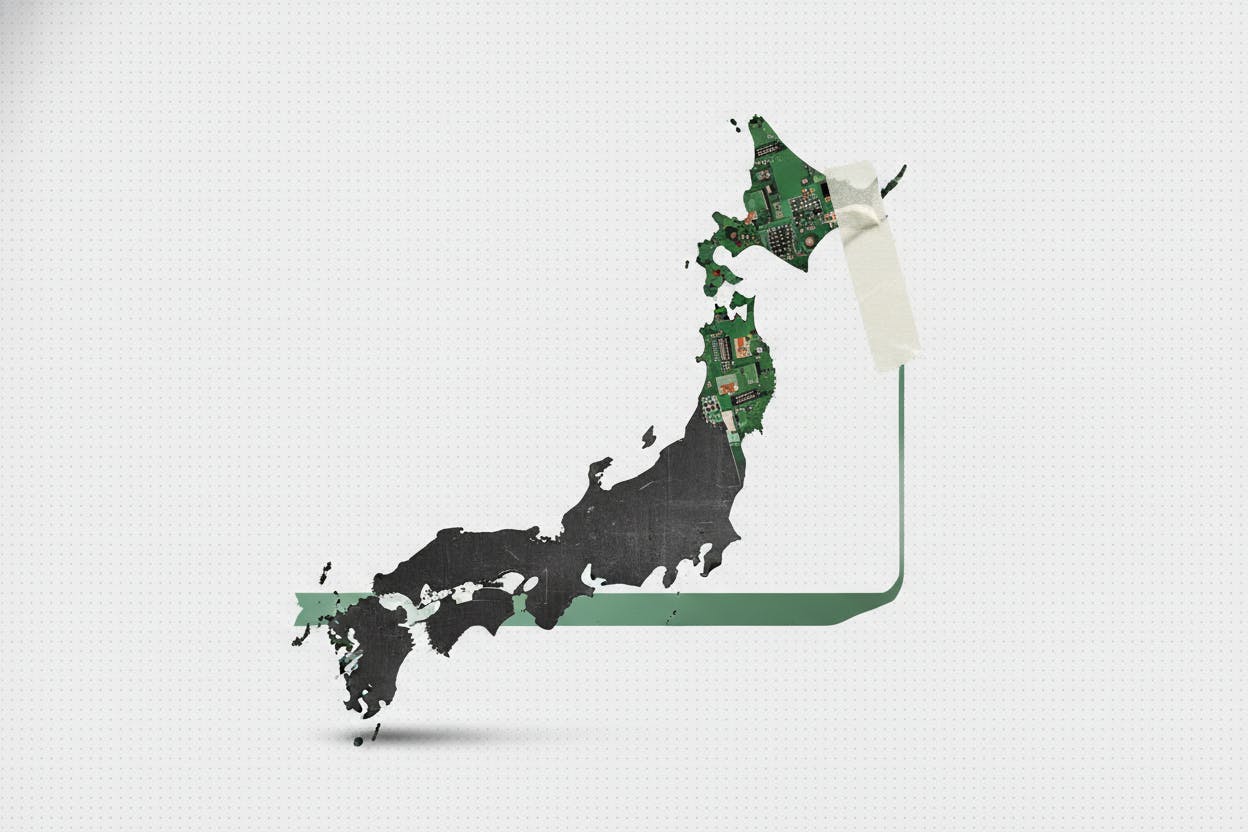
Japan's broad Topix index extended its winning run to six consecutive sessions on Tuesday, rising 0.50% to 4,084.74, as falling oil prices lifted industrial and transportation stocks. In contrast, the tech-heavy Nikkei 225 slipped 0.16% to 69,630.74, reflecting persistent pressure on high-growth names from tighter monetary policy signals in both the US and Japan.
The divergence between the two benchmarks highlights a familiar pattern: when energy costs drop, the benefit tends to flow first to 'old economy' sectors that consume fuel and ship goods, while rate-sensitive technology stocks remain vulnerable to central bank hawkishness.
Why Oil Matters for Japan
Crude prices eased after OPEC+ agreed to lift output targets and shipping concerns faded with the reopening of the Strait of Hormuz, a key chokepoint for global oil tankers. For Japan, which imports nearly all of its oil, cheaper crude can lower fuel and freight bills, easing near-term inflation pressure and providing a direct cost relief to manufacturers, logistics firms and other heavy energy users.
That dynamic showed up clearly in Tuesday's sector moves. Industrials and transportation led the Topix, with Kawasaki Heavy Industries surging 7.62% and Mitsubishi Heavy Industries gaining 5.93%. These companies benefit from lower input costs and are less exposed to the valuation compression that higher interest rates inflict on long-duration growth stocks.
On the other side, precision instruments and information and communication stocks lagged. Taiyo Yuden, a major electronic components maker, fell 6.98%, while chip design firm Socionext dropped 4.99%. These names are more sensitive to interest rate expectations because a larger share of their value depends on profits expected years into the future.
Central Bank Crosscurrents
Investors are weighing a hawkish Federal Reserve under Chair Kevin Warsh, who has signaled that the central bank remains focused on fighting inflation and may keep rates higher for longer. At the same time, the Bank of Japan is expected to continue tightening policy, with recent wage deals topping 5% for a third year, bolstering the case for further rate hikes. That combination can keep AI and semiconductor-linked names choppy, as higher discount rates reduce the present value of their future earnings.
The broader market backdrop also reflects a rotation away from tech into cyclicals and defense stocks, a trend seen in other major markets. In Europe, for instance, the stock rally has broadened beyond tech as cyclicals and defense lead, a similar pattern of sector leadership shifting as energy prices moderate and rate expectations adjust.
What It Means for Investors
The widening performance gap between the Topix and the Nikkei 225 is more than a statistical curiosity. It signals that the market is rewarding companies with tangible, near-term cost relief while punishing those whose valuations depend on distant growth promises. For everyday investors, this means that a broad-based index like the Topix may offer a steadier ride when oil is falling and rates are rising, while the Nikkei's day-to-day direction will hinge on whether its tech-heavy components can stabilize.
Looking ahead, the key question is whether the oil-driven tailwind for industrials can persist. If crude continues to ease, sectors like transportation and manufacturing could see further support. But if the Fed or the BoJ deliver more hawkish surprises, the Nikkei's tech and chip ecosystem may remain under pressure. The split between the two indices is a reminder that not all Japanese stocks move in lockstep, and that sector exposure matters as much as country exposure when central banks are in focus.
For context, Japan's private sector growth accelerated in June as services rebounded, providing a broader economic cushion. Meanwhile, the S&P 500 has also seen a similar pattern, rising as tech cools and an oil drop boosts the broader market, suggesting the rotation is a global phenomenon rather than a Japan-specific one.