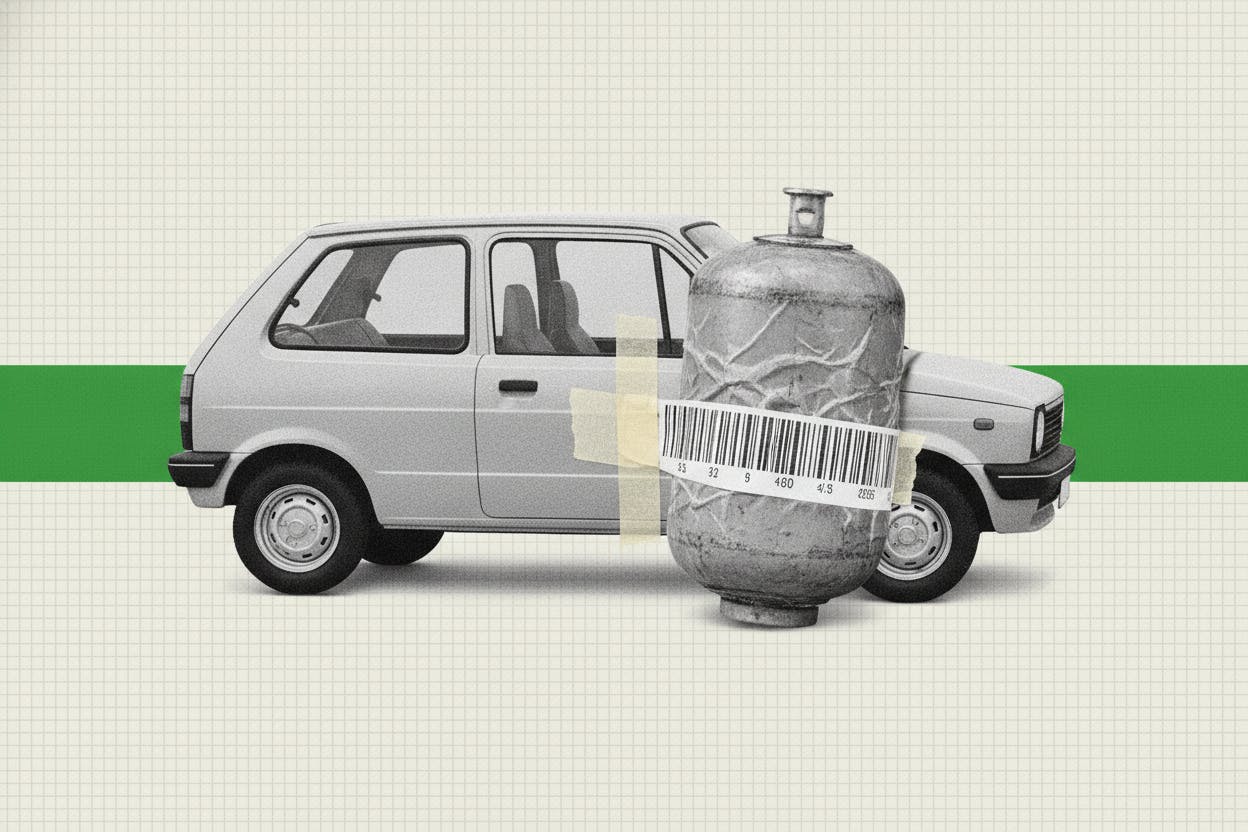
India's car market just posted its strongest June on record, with retail sales of passenger vehicles jumping 28.6% year-on-year, according to data from the Federation of Automobile Dealers Associations (FADA). The standout figure: alternative-fuel vehicles — including compressed natural gas (CNG), hybrids, and electric vehicles (EVs) — made up a record 40.4% of all sales, up sharply from previous months.
Why Buyers Are Switching Fuels
The shift comes after multiple petrol and diesel price hikes during May, which made running a conventional internal-combustion car more expensive. FADA noted that the price increases directly nudged shoppers toward cheaper-to-run drivetrains. CNG cars alone accounted for 24.3% of June sales, hybrids for 8.3%, and EVs for 7.8%. The remaining 59.6% of sales were still petrol or diesel models, but the trend is clear: alternative powertrains are no longer a niche.
India's government has also been promoting cleaner fuels through policy support, including lower goods-and-services-tax rates on EVs and incentives under the Faster Adoption and Manufacturing of Hybrid and Electric Vehicles (FAME) scheme. The recent rollout of E20 petrol — a blend with 20% ethanol — has also stirred debate, as some drivers worry about compatibility and fuel efficiency. For more on that, see India Defends E20 Petrol Rollout as Safety Concerns Spread Among Drivers.
What This Means for Investors
The sales surge is a positive signal for India's auto sector, which has faced headwinds from rising input costs and supply-chain disruptions. A 28.6% year-on-year jump in retail sales suggests strong consumer demand, especially in smaller cities and towns where CNG infrastructure is expanding. For investors, the key takeaway is the accelerating shift in market share toward alternative fuels. Companies with strong CNG and hybrid lineups — such as Maruti Suzuki, Tata Motors, and Mahindra & Mahindra — are likely to benefit as buyers prioritize lower running costs.
However, the broader economic backdrop matters. India's central bank has kept interest rates elevated to combat inflation, which raises the cost of auto loans. If fuel prices remain high, the shift to CNG and hybrids could accelerate further, but any slowdown in consumer spending could dampen overall sales growth. Investors should also watch how automakers manage margins on lower-priced CNG and EV models, which typically have thinner profit margins than premium petrol cars.
Broader Market Context
The auto sector's strength comes amid a mixed picture for India's economy. While car sales are booming, other areas show caution. For instance, Indian bank stocks have rallied on strong loan growth, but rising deposit costs remain a concern — see Indian Bank Stocks Rally on Strong Loan Growth, But Deposit Costs Loom. Meanwhile, foreign inflows have kept Indian bond yields in check ahead of a key index decision, as covered in Foreign Inflows Keep Indian Bond Yields in Check Ahead of Index Decision.
The record alternative-fuel share also aligns with global trends. Automakers worldwide are investing heavily in electrification and hybrid technology, and India is no exception. The country's EV market, while still small, is growing rapidly, and the June data shows hybrids are gaining traction as a bridge technology for buyers not ready to go fully electric.
What to Watch Next
Investors should monitor monthly sales data from FADA and individual automakers to see if the alternative-fuel trend continues. Key factors include: further changes in fuel prices, government policy on EV incentives, and the pace of CNG station expansion. The monsoon season, which typically affects rural demand, could also influence sales in the coming months. If the 40.4% share holds or rises, it would mark a structural shift in India's auto market, with implications for everything from oil demand to auto-component suppliers.
For now, the June numbers are a clear sign that Indian car buyers are voting with their wallets for lower running costs, and the industry is responding accordingly.