India is moving forward with its plan to make E20 petrol—fuel containing 20% ethanol—the standard at pumps across the country, even as concerns about engine damage and reduced mileage spread among drivers. At a joint briefing on Saturday, government officials and representatives from major automakers defended the fuel, citing real-world service data from millions of older cars that shows no evidence of fuel-related harm.
What Is E20 and Why the Controversy?
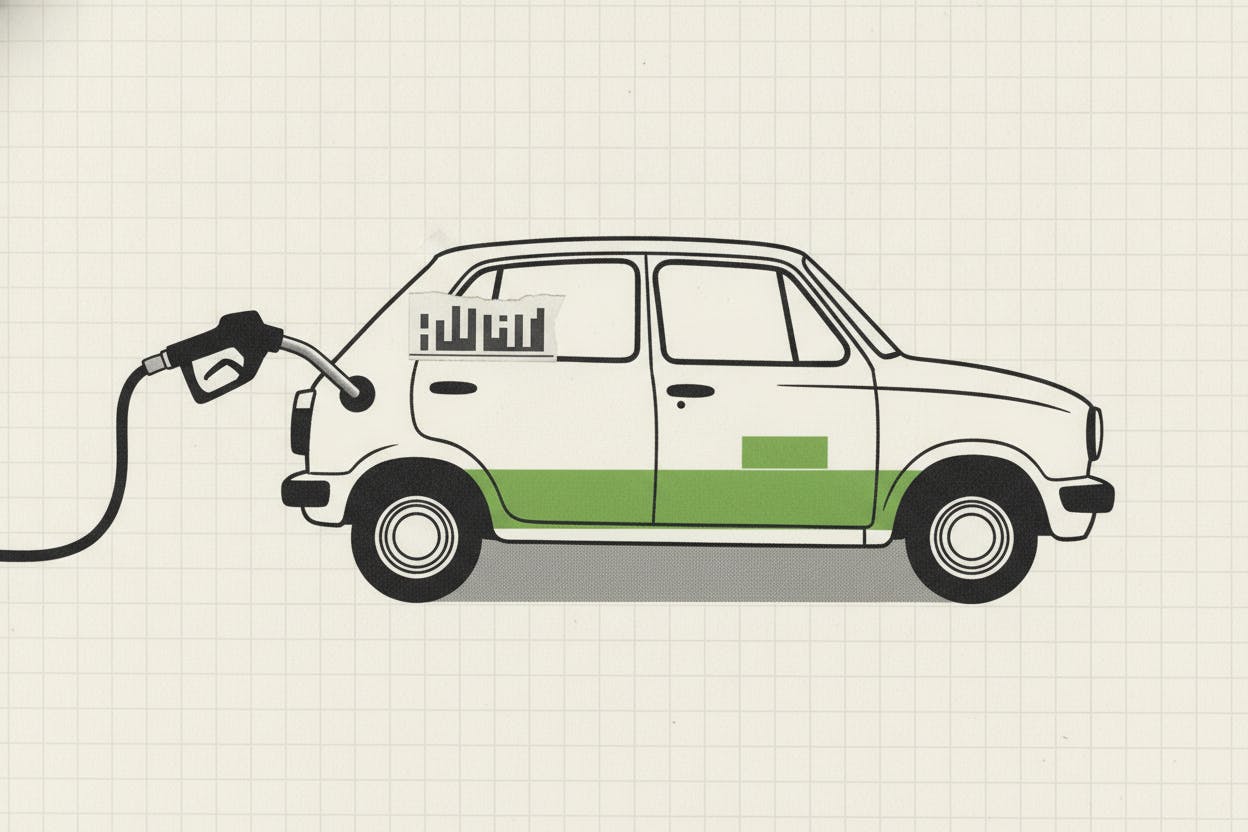
E20 petrol is a blend of 20% ethanol—a biofuel typically made from sugarcane or corn—and 80% gasoline. India's government has been pushing higher ethanol blends to reduce oil imports, cut carbon emissions, and support farmers. But the shift is sensitive because many cars on Indian roads were designed for lower ethanol blends, such as E10 (10% ethanol). Drivers worry that the more corrosive ethanol could damage engine components, cause rough running, or lead to costly repairs.
Social media has amplified those fears, with viral posts showing engine failures allegedly caused by E20. Officials, however, argue that many of those incidents stem from contaminated fuel, not the ethanol blend itself.
What the Data Shows
At the briefing, Maruti Suzuki, India's largest carmaker, presented data from its service network. Over the past two years, the company serviced more than 15 million older cars that were not certified for E20. According to Maruti, none of those vehicles showed fuel-related damage. The company's finding is significant because it covers a large and diverse pool of vehicles, including models that predate the E20 mandate.
Other automakers echoed that assessment, saying that while some older cars may need minor adjustments—like replacing fuel hoses or gaskets—the risk of major engine damage is low. The government also noted that E20 is the highest ethanol blend currently tested for regular petrol vehicles, and moving beyond that would require fresh trials.
The Real Cost: Lower Fuel Efficiency
The main downside that officials acknowledge is economic, not mechanical. Ethanol contains less energy per liter than gasoline. As a result, E20 can reduce fuel efficiency by about 3% to 3.5%, meaning drivers will need slightly more fuel to cover the same distance.
For the average commuter, that translates into a higher cost per kilometer, even if the price at the pump stays the same. If you spend ₹5,000 a month on petrol, a 3% efficiency loss could add roughly ₹150 to your monthly fuel bill. That's not a huge hit, but it's a steady one—and it compounds over time.
This efficiency dip is separate from the more alarming engine-damage claims. While those stories grab headlines, the near-term impact most drivers will notice is a slightly higher petrol bill. The safety argument often comes down to whether a problem is being blamed on E20 or on fuel quality, which can vary widely across India.
What It Means for Investors
For investors, the E20 rollout is a reminder that regulatory shifts can create both risks and opportunities. Companies that produce ethanol—such as sugar mills and distilleries—stand to benefit from higher demand. India's ethanol blending program has already boosted revenues for firms like Balrampur Chini Mills and Shree Renuka Sugars. Meanwhile, automakers like Maruti Suzuki, Tata Motors, and Mahindra & Mahindra are adapting their supply chains and service networks to handle the new fuel.
On the flip side, any widespread engine problems—even if unfounded—could hurt consumer sentiment and slow vehicle sales. So far, the data suggests the transition is manageable, but investors should watch for any uptick in warranty claims or service complaints that could signal deeper issues.
The broader economic backdrop also matters. India's private sector growth has slowed recently, as services activity hit a 17-month low in June. A smooth E20 rollout could support the government's energy security goals without adding friction to the economy. But if fuel-related concerns persist, they could weigh on consumer confidence and spending.
For now, the official message is clear: E20 is safe, the efficiency hit is modest, and the data from millions of older cars backs that up. Drivers may want to check their owner's manual and consider using fuel additives or replacing old fuel system parts if they're worried. But for most, the biggest change will be a slightly lighter wallet at the pump.