Brazil's state-controlled oil giant Petrobras is considering giving debt-strapped plastics and chemicals maker Braskem some financial breathing room, according to a Bloomberg report. The potential support includes longer payment terms, lower interest rates on existing financing, and increased supply of naphtha—a key raw material for Braskem's operations. The move comes as Braskem approaches an August 24 deadline to avoid seeking bankruptcy protection.
Why this matters for Braskem
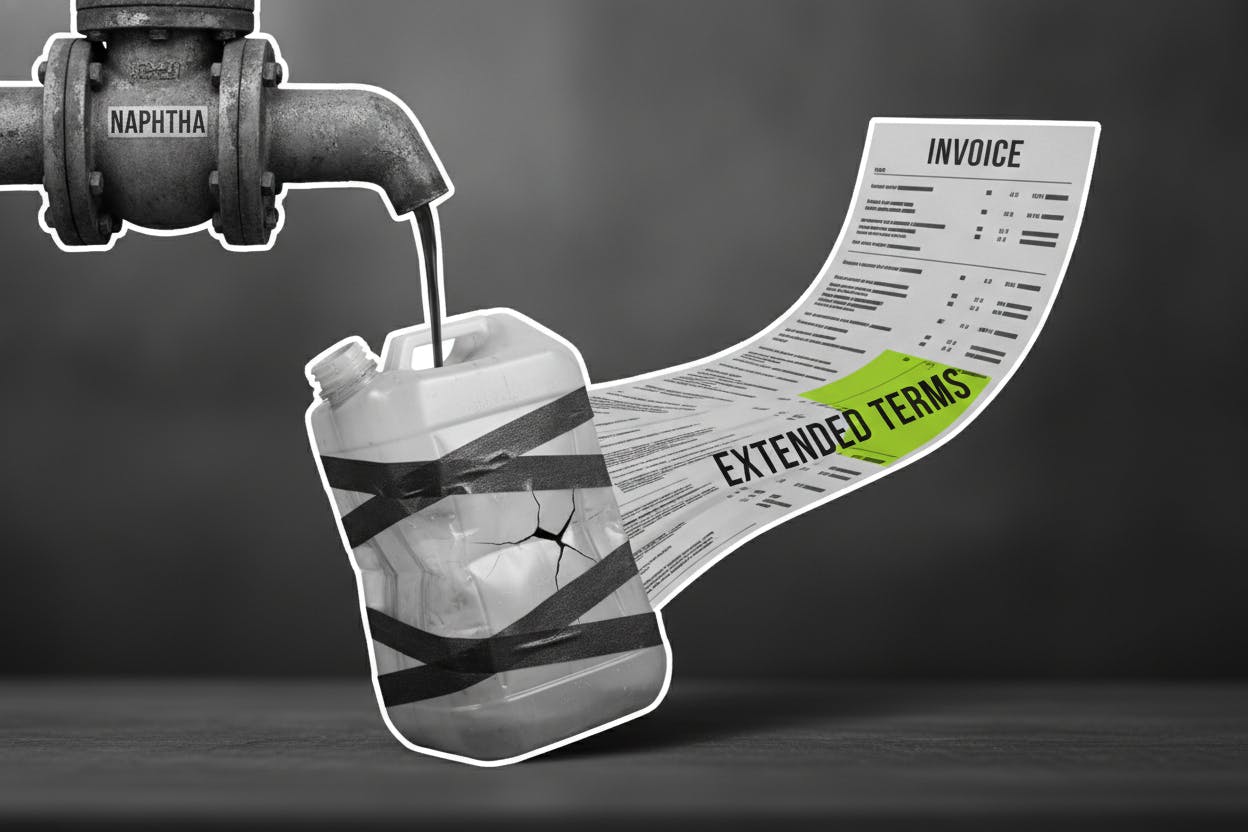
Braskem has been struggling under a heavy debt load, and its cash flow has been squeezed by weak demand and high input costs. The company needs cash quickly, and Petrobras is one of the few counterparties that can change Braskem's day-to-day liquidity without requiring a new bank loan. By extending payment deadlines and reducing interest charges, Petrobras would effectively provide supplier credit—allowing Braskem to keep more cash on hand now, while Petrobras waits longer to get paid and earns less on the financing built into their contracts.
Increased naphtha supply is also significant. Naphtha is a petroleum-derived feedstock used to produce plastics and chemicals, and it is one of Braskem's largest input costs. A more reliable or larger supply from Petrobras could help Braskem maintain production levels and potentially lower its input costs, easing some of the pressure on its margins.
What's at stake for Petrobras
Petrobras is Brazil's largest company and a major global oil producer. While it has its own financial interests—including a recent profit surge driven by higher oil prices—it also plays a central role in Brazil's industrial policy. Braskem is a major employer and a key player in the country's petrochemical sector, so its collapse could have ripple effects across the economy.
Petrobras has previously shown willingness to support Braskem through difficult periods, and this latest consideration fits that pattern. However, the terms are not yet final, and Petrobras will need to balance its own financial health with the desire to keep a major customer and strategic partner afloat.
What it means for investors
For investors in Braskem, this news is a positive signal that the company may have more time to work out its debt problems. The company has already been in debt restructuring talks, and a lifeline from Petrobras could improve its chances of avoiding a formal bankruptcy filing. That would likely be better for shareholders than a court-supervised process, which often wipes out equity value.
For Petrobras investors, the potential support is a double-edged sword. On one hand, helping Braskem could preserve a valuable customer and avoid disruption in the petrochemical market. On the other hand, extending credit and accepting lower interest means Petrobras is taking on additional risk and forgoing some revenue. Investors will want to watch how the terms are structured and whether they materially affect Petrobras's cash flow.
It's also worth noting that Petrobras has its own challenges, including fuel subsidies that have lagged behind oil price rises, which have weighed on its margins. Any additional financial support to Braskem could add to those pressures.
Broader context
Braskem's troubles are not isolated. The global chemicals and plastics industry has been hit by a cyclical downturn, with oversupply and weak demand in key markets like China and Europe. Many producers have seen margins shrink, and some have been forced to restructure or close plants. Braskem's situation is more acute because of its high debt load, much of it in dollars, which has become more expensive to service as Brazil's currency has weakened.
The August 24 deadline is a critical date. If Braskem cannot secure enough liquidity or reach a deal with creditors by then, it may have no choice but to file for bankruptcy protection in Brazil or the United States. Such a filing would likely trigger a complex legal process and could lead to significant losses for bondholders and shareholders alike.
What to watch next
Investors should monitor any official announcements from Petrobras or Braskem regarding the terms of the potential support. Key details to look for include the length of the extended payment terms, the size of the interest rate reduction, and how much additional naphtha Petrobras is willing to supply. Also important is whether Petrobras will demand any concessions in return, such as equity stakes or board representation.
The broader market will also be watching Braskem's debt restructuring talks, which have been ongoing for months. A successful resolution would remove a major overhang from the Brazilian market, while a failure could trigger a wave of risk aversion.
For everyday investors, this story is a reminder that even large, seemingly stable companies can face sudden liquidity crises. It also highlights how interconnected the energy and chemicals sectors are, and how a single supplier's decision can have outsized effects on a company's fate.