Oil prices pushed higher on Monday as fresh security concerns in the Strait of Hormuz and signs that US-Iran diplomacy is stalling kept traders on edge. West Texas Intermediate (WTI) crude rose 1.2% to $85.51 a barrel, while global benchmark Brent climbed to $91.27.
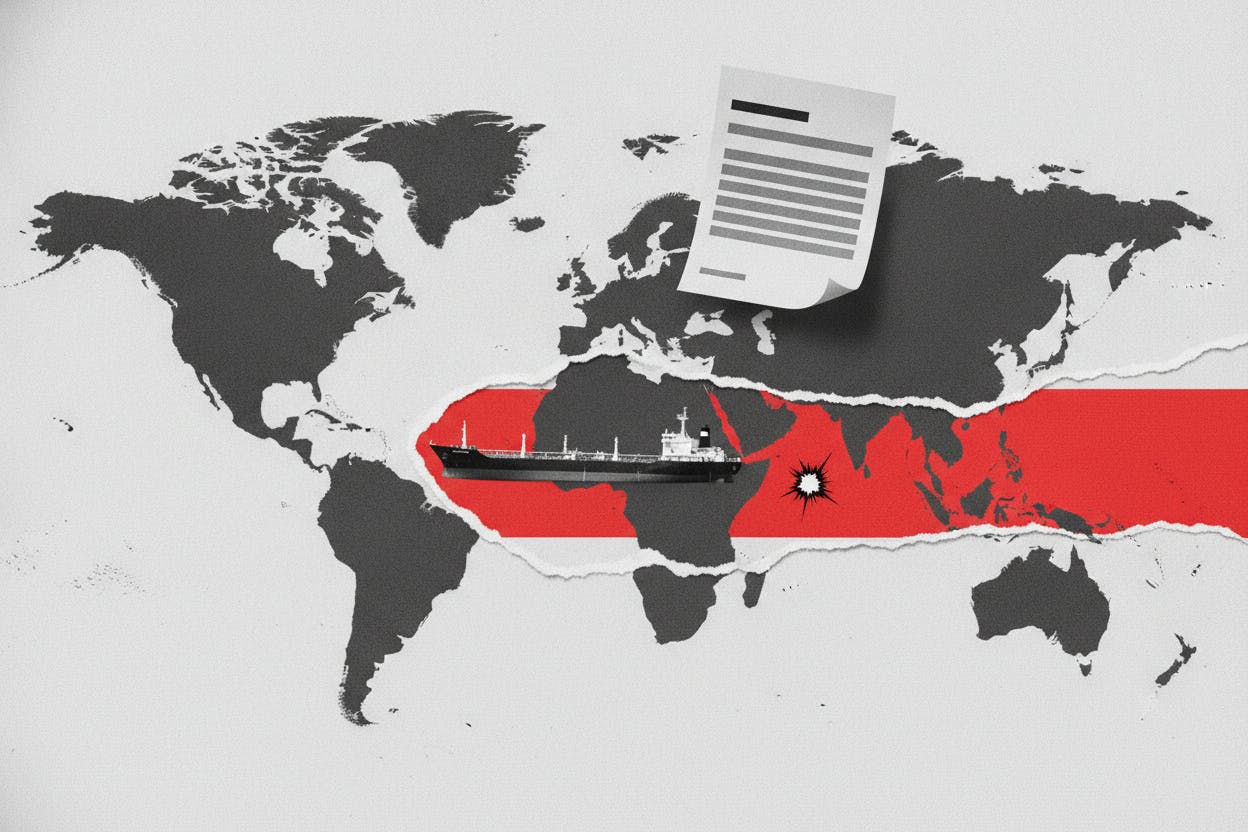
The move came after a vessel transiting the strait was hit by an "unknown projectile" on Aug. 17, according to the UK Maritime Trade Operations, a British Navy liaison office that advises commercial shipping. The incident reignited worries about the safety of one of the world's most critical oil shipping lanes.
At the same time, reports from Al Jazeera indicated that mediators are waiting on a bilateral Iran-Oman arrangement related to the strait before returning to broader US-Iran talks. That suggests a diplomatic breakthrough is not imminent, adding to the market's sense of uncertainty.
Why the Strait of Hormuz matters
The Strait of Hormuz is a narrow waterway between Iran and Oman that connects the Persian Gulf to the Gulf of Oman and the open ocean. Roughly one-fifth of the world's oil and a significant share of liquefied natural gas pass through it daily. Any disruption there can quickly affect global energy prices because there is no easy alternative route for most of that supply.
When security risks in the strait rise, traders often add a "risk premium" to oil prices. That premium reflects the possibility that shipments could be delayed, rerouted, or halted entirely. Even a brief interruption can ripple through markets, as seen in earlier episodes when ship traffic nearly halted.
The latest strike is a reminder that the region remains volatile. While the vessel was reportedly still able to proceed, the fact that a commercial ship was hit at all is enough to keep insurers and shipping companies on high alert.
What the stalled talks mean
Diplomacy between the US and Iran has been a key factor in oil markets for months. Investors have been hoping that a renewed agreement could ease sanctions and bring more Iranian oil to market, which would help cool prices. But progress has been slow, and the latest reports suggest that a return to broader negotiations is still conditional on a separate Iran-Oman arrangement.
That conditionality is significant. It means the path to a deal is not straightforward, and any further delays could keep the market in a state of heightened tension. As Iran has previously rejected extending a US deal tied to Hormuz shipping, the risk of escalation remains.
For everyday investors, the key takeaway is that oil prices are likely to stay sensitive to headlines from the region. Any sign of progress in talks could push prices down, while a further deterioration in security could send them higher.
What it means for investors
Higher oil prices have broad implications beyond the energy sector. For consumers, they can mean more expensive gasoline and heating bills. For companies, they raise input costs, which can squeeze profit margins and potentially lead to higher prices for goods and services.
In the stock market, energy companies often benefit from rising crude prices, as their revenues and profits tend to move with the commodity. However, airlines, shipping firms, and other fuel-intensive businesses can see their shares fall when oil jumps. For example, JetBlue shares slid 6% in a recent session as analysts flagged fuel and balance-sheet risks.
Bond markets are also watching. Higher oil prices can feed into inflation, which may prompt central banks to keep interest rates higher for longer. That dynamic has already been visible in eurozone bond yields hitting multi-year highs as oil prices jumped.
For investors with diversified portfolios, the message is not to panic but to stay aware. Oil price spikes can create volatility across asset classes, but they also tend to be temporary unless the underlying supply disruption becomes prolonged. Keeping an eye on developments in the Strait of Hormuz and US-Iran negotiations can help you understand why markets are moving.
What to watch next
Traders will be closely monitoring any updates from the UK Maritime Trade Operations and other shipping advisories. A second incident in the strait could push prices significantly higher. On the diplomatic front, any word on the Iran-Oman arrangement or a resumption of US-Iran talks would be a key signal.
Also worth watching are inventory reports from the US Energy Information Administration, which provide a weekly snapshot of supply and demand. If stockpiles are falling, that could add further upward pressure on prices. Conversely, a surprise build in inventories might help calm the market.
For now, the oil market is in a wait-and-see mode, with the Strait of Hormuz at the center of attention. As Saudi stocks held steady in the face of simmering tensions, investors elsewhere are bracing for more volatility.