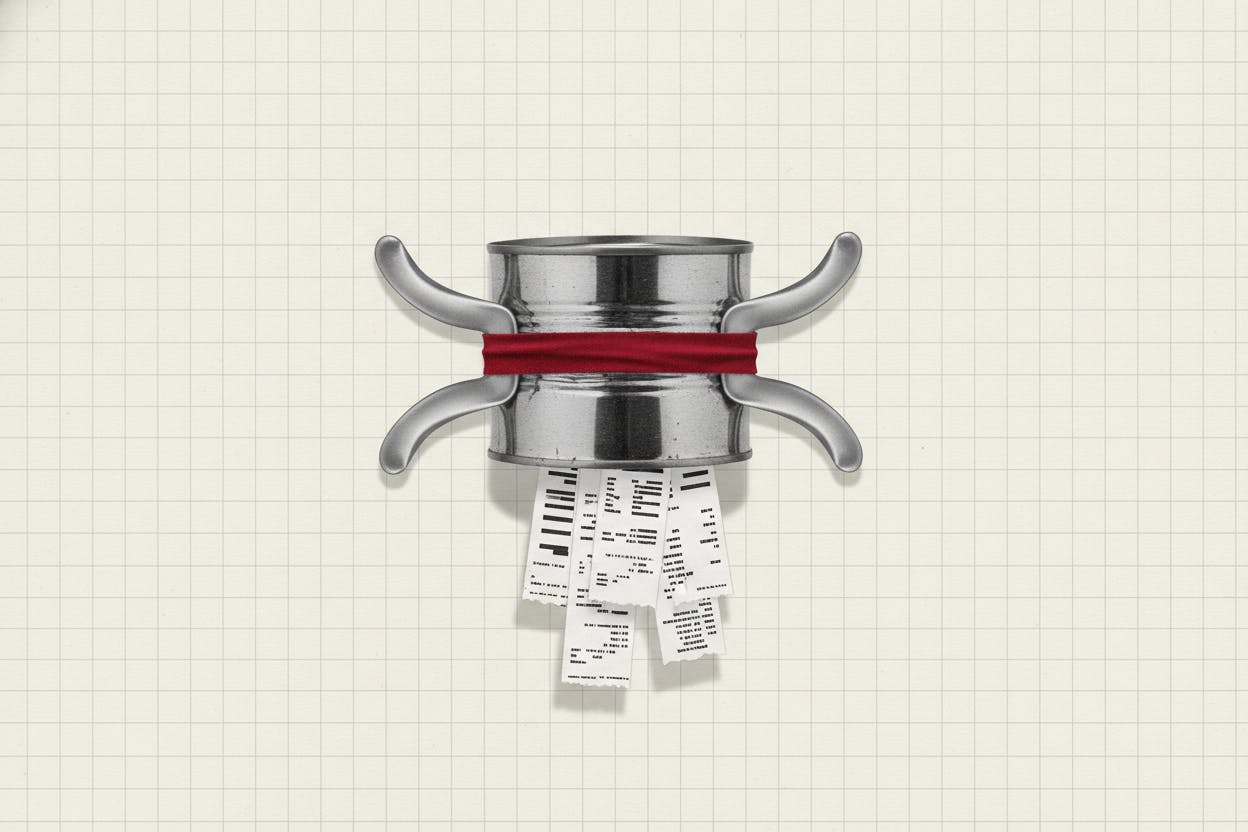
Campbell's, the soup and snacks giant behind brands like Goldfish and Pepperidge Farm, may be heading into a more difficult fiscal 2027 than previously expected. That's the takeaway from UBS analysts, who have cut their earnings-per-share (EPS) estimate for the company to $1.72 from $1.86.
The revision suggests that the company's profit growth could slow, even as some costs—like fuel and tariffs—show signs of easing. For everyday investors, the move is a reminder that even household-name food companies face headwinds that can squeeze margins.
What's driving the downgrade?
UBS didn't point to a single culprit. Instead, the cut appears to reflect a combination of factors that could weigh on Campbell's bottom line over the next couple of years. While the bank acknowledged that lower fuel costs and tariff changes might offer some relief, it still sees enough pressure to lower its profit outlook.
Food companies like Campbell's are particularly sensitive to input costs—everything from ingredients to packaging to transportation. When those costs rise, companies can either absorb them (hitting profits) or pass them on to consumers (risking lower sales). The fact that UBS is trimming its forecast suggests that Campbell's may face a tougher balancing act in fiscal 2027.
Tariffs have been a recurring theme for consumer goods companies. Recent trade policy shifts have created uncertainty, and while some tariff changes could be favorable, the overall environment remains fluid. As tariff refunds have helped lift some consumer stocks, the picture is mixed across the sector.
What does this mean for Campbell's investors?
For investors, the key takeaway is that Campbell's may not deliver the earnings growth that some had hoped for in fiscal 2027. The cut from $1.86 to $1.72 represents a roughly 7.5% reduction in the bank's estimate—a meaningful adjustment.
It's worth noting that an EPS estimate is just one analyst's projection, not a guarantee. But when a major bank revises its numbers, it often reflects a broader reassessment of the company's prospects. Investors should watch for Campbell's own guidance in upcoming earnings calls to see if management shares a similar view.
Campbell's has been working to streamline its portfolio and focus on core brands, but the food industry remains competitive. Rivals like TJX (a different sector but similarly consumer-facing) have shown how even strong results can be overshadowed by cautious outlooks.
The broader picture: cost pressures across the food industry
Campbell's isn't alone in facing cost challenges. Many packaged food companies have been dealing with higher input costs, supply chain disruptions, and shifting consumer preferences. While inflation has cooled from its peak, some costs remain elevated.
Fuel costs, in particular, have been volatile. Lower fuel prices can reduce transportation and distribution expenses, which is a positive for companies like Campbell's that ship products nationwide. However, the benefit may be offset by other rising costs, such as labor or raw materials.
Tariff changes are another wildcard. As tariff pauses and negotiations continue to make headlines, companies are having to adapt to a shifting trade landscape. For Campbell's, which sources ingredients both domestically and internationally, tariff policy can directly impact input costs.
What investors should watch next
For those holding Campbell's stock or considering it, the UBS note is a signal to pay attention to a few key things:
- Management guidance: When Campbell's next reports earnings, listen for any changes to its own fiscal 2027 outlook.
- Cost trends: Watch for commentary on fuel, freight, and raw material costs—these will determine whether the company can protect margins.
- Tariff developments: Any shifts in trade policy could have a direct impact on the company's cost structure.
- Consumer demand: If Campbell's raises prices to offset costs, it could affect sales volumes. Keep an eye on how shoppers respond.
It's also worth remembering that analyst estimates are just one piece of the puzzle. The stock market reacts to a wide range of factors, and a single downgrade doesn't necessarily spell doom. But it does provide a useful reality check for investors who may have been expecting smooth sailing ahead.
The bottom line
UBS's decision to cut its fiscal 2027 EPS estimate for Campbell's is a cautionary note, not a crisis. The company still has strong brands and a loyal customer base, but the path to profit growth may be bumpier than previously thought.
For everyday investors, the takeaway is to stay informed and keep an eye on the factors that can move the needle for food companies—costs, tariffs, and consumer behavior. As always, diversification and a long-term perspective remain your best tools.