China and Hong Kong stocks edged higher on Monday, extending a recent rally as enthusiasm around artificial intelligence began spilling into sectors beyond the usual tech names. The move was supported by fresh regulatory proposals aimed at making it easier for listed companies to raise capital, according to Reuters.
By midday, mainland benchmarks posted modest gains, while Hong Kong's Hang Seng index rose more sharply, reflecting a broader improvement in investor mood. The rally, which had been concentrated in AI-related stocks, spread to energy, semiconductor, and agriculture shares, signaling that optimism about China's economic recovery and tech-driven growth is gaining traction across the market.
Regulatory Support Lifts Sentiment
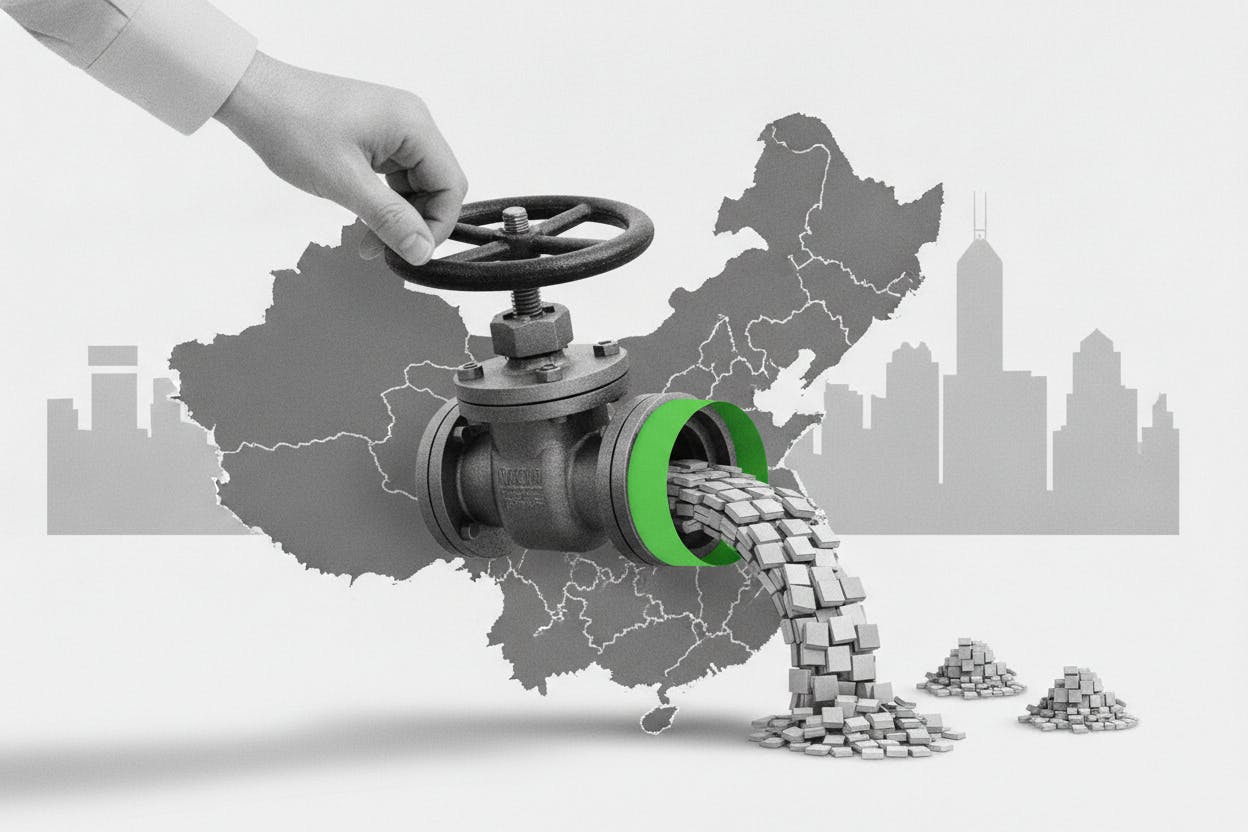
The uptick wasn't solely driven by AI hype. Over the weekend, the China Securities Regulatory Commission (CSRC) floated proposals to ease refinancing rules for listed companies. Refinancing allows companies to raise additional equity after their initial public offering, typically through secondary offerings or rights issues. By lowering the hurdles for such capital raises, the CSRC aims to help firms access funding more easily, which can support expansion and investment.
Separately, new trading rules took effect Monday on the Shenzhen Stock Exchange's ChiNext board, China's Nasdaq-style market for high-growth and tech companies. The updated rules are designed to improve market efficiency and liquidity, making it easier for investors to trade shares in these often-volatile stocks. Together, these measures signal Beijing's continued effort to stabilize markets and encourage capital formation, even as the broader economy faces headwinds from a property slump and weak consumer demand.
The regulatory push comes at a time when Chinese stocks have been under pressure from geopolitical tensions and concerns about slowing growth. However, the AI rally—sparked by advances in domestic AI models and global tech optimism—has provided a fresh catalyst. The broadening of gains into sectors like energy and agriculture suggests that investors are becoming more confident about the sustainability of the recovery.
What It Means for Investors
For everyday investors, the spread of the AI rally beyond a handful of tech stocks is a positive sign. It indicates that market optimism is becoming more diversified, which can reduce the risk of a sharp reversal if AI stocks alone stumble. The inclusion of energy and chip stocks, in particular, points to expectations that AI-driven demand for computing power and electricity will benefit a wider range of industries.
The CSRC's refinancing proposals are also noteworthy. Easier access to capital can help companies fund growth without relying on debt, which may be positive for shareholders if the funds are used wisely. However, investors should be aware that increased equity issuance can dilute existing shareholders' stakes if not accompanied by proportional earnings growth. The key is to watch how companies deploy the raised capital.
The new ChiNext trading rules aim to make the board more attractive to both domestic and foreign investors. For those with exposure to Chinese tech stocks, this could mean better liquidity and potentially lower transaction costs. But it also means that volatility may persist, as ChiNext-listed companies are often early-stage and high-risk.
Globally, the AI rally has been a dominant theme in 2025, with markets from the US to Europe seeing tech-driven gains. In Europe, for instance, the rally has broadened beyond tech into cyclicals and defense stocks, as reported by Daily Digest Invest. Similarly, in China, the shift from a narrow AI focus to a broader market advance could signal a more durable uptrend.
Still, risks remain. The Chinese economy is still grappling with a property crisis and weak consumer spending, and the AI rally may be vulnerable to profit-taking if earnings fail to materialize. Investors should also monitor US-China trade tensions and any shifts in global interest rates, which could affect capital flows into emerging markets like China.
For now, the combination of regulatory support and a broadening rally offers a cautiously optimistic picture. As always, diversification across sectors and regions remains a prudent strategy for navigating uncertain markets.