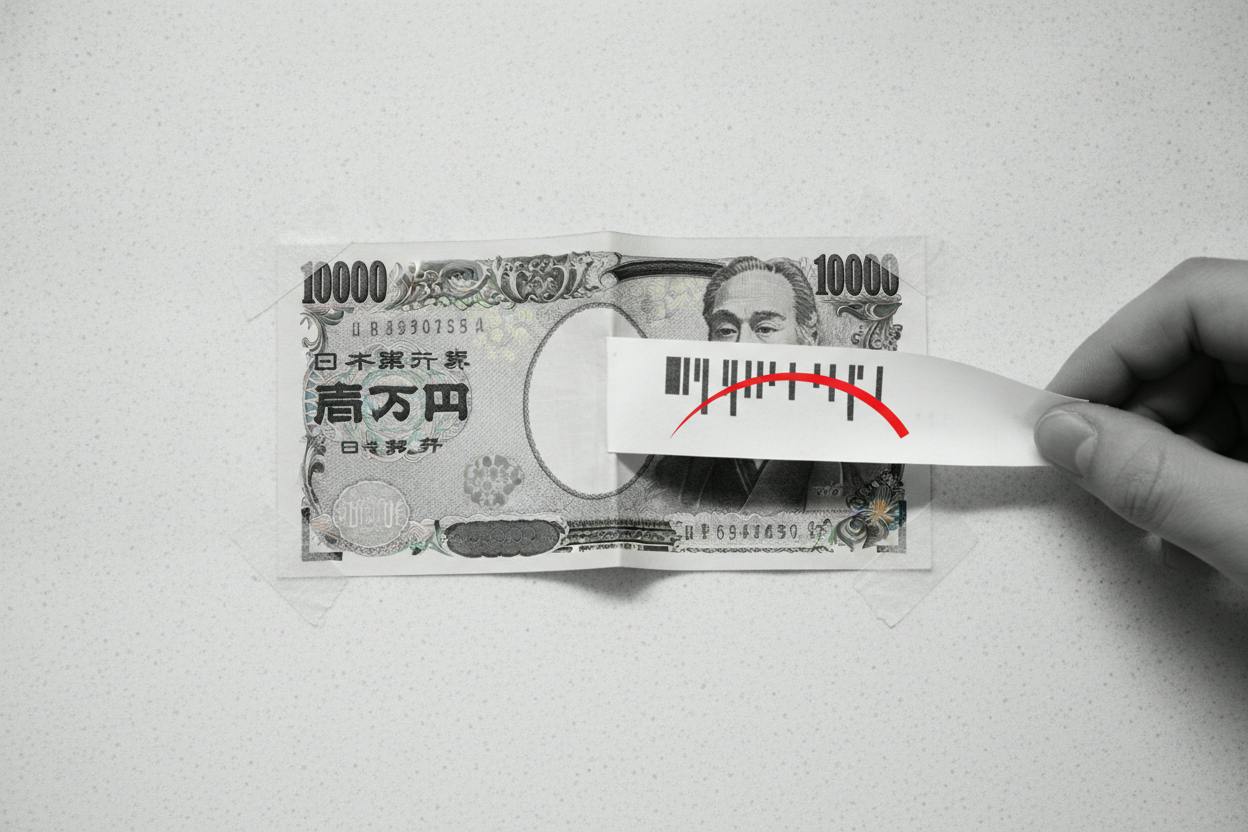
The Japanese yen is trading near 162 per dollar, close to its weakest level in nearly four decades, as currency markets brace for possible intervention by Japanese authorities. The dollar-yen pair was around 162.11 on Tuesday, just below last week's peak of 162.84 — the yen's lowest point since 1986.
A sudden burst of yen buying on Thursday had traders guessing whether Japan had already stepped in to support its currency. According to Reuters, officials may be leaning toward a more targeted approach that makes it costlier for speculators to bet against the yen, rather than a full-scale intervention.
Why the yen keeps falling
The yen's weakness is fundamentally driven by the wide gap between US and Japanese interest rates. While the Federal Reserve has held its benchmark rate at 5.25%-5.50% — the highest in over two decades — the Bank of Japan has kept rates near zero, only recently raising them to a range of 0%-0.1%.
This means holding dollars earns investors a much higher return than holding yen, creating steady downward pressure on the Japanese currency. Even if Japan intervenes to slow the yen's decline, it cannot change the underlying rate differential that makes shorting the yen attractive.
Traders are now focused on two key US events that could shift expectations for where American interest rates head next: the release of the Fed's June meeting minutes on Wednesday, and next week's inflation report. Softer inflation data could revive bets on Fed rate cuts, potentially weakening the dollar and giving the yen some relief. Conversely, sticky inflation would reinforce the "higher for longer" rate outlook that has been driving the yen lower.
What intervention could look like
Japan has a history of intervening in currency markets to support the yen when it weakens too rapidly. In 2022, authorities spent roughly $60 billion buying yen across three separate interventions. The strategy typically involves the Bank of Japan selling dollars from its reserves and buying yen, which can temporarily strengthen the currency.
However, the reported shift toward a more targeted approach — what Reuters described as trying to "squeeze speculators" — would be different. Instead of simply buying yen, Japan could use tactics such as:
- Conducting "rate checks" where officials call banks to ask about exchange rates, signaling they are watching closely
- Intervening at specific levels to trigger stop-loss orders and force short sellers to cover their positions
- Using options markets to make shorting the yen more expensive
These measures can make USD/JPY more volatile and two-way, even if they don't reverse the long-term trend.
What it means for investors
For everyday investors, the yen's slide has several implications. First, currency volatility near intervention zones creates event risk — sudden, sharp moves that can catch leveraged traders off guard. This often shows up in the options market, where traders buy insurance against large swings.
Second, the yen is a popular funding currency for "carry trades," where investors borrow yen at low rates and invest in higher-yielding assets elsewhere. If Japan intervenes and the yen strengthens abruptly, those trades can unwind quickly, causing ripple effects across global markets. This could impact everything from emerging market currencies to risk assets like stocks.
Third, a weaker yen is a double-edged sword for Japanese stocks. It boosts profits for exporters like Toyota and Sony, which earn revenue in dollars but report in yen. But it also raises import costs for energy and food, squeezing Japanese consumers and smaller domestic companies.
The broader currency landscape remains influenced by US dollar strength. The dollar slipped after the June jobs report cooled expectations for further Fed rate hikes, but it remains elevated against most major currencies. Other currencies have also felt the pressure: the Canadian dollar stalled near a 14-month low amid trade uncertainty, while the Kiwi dollar dipped ahead of the Reserve Bank of New Zealand's rate decision.
For now, the yen's fate hinges on whether US data gives the Federal Reserve room to cut rates later this year. Until that happens, the pressure on Japan's currency — and the risk of intervention — is likely to persist.