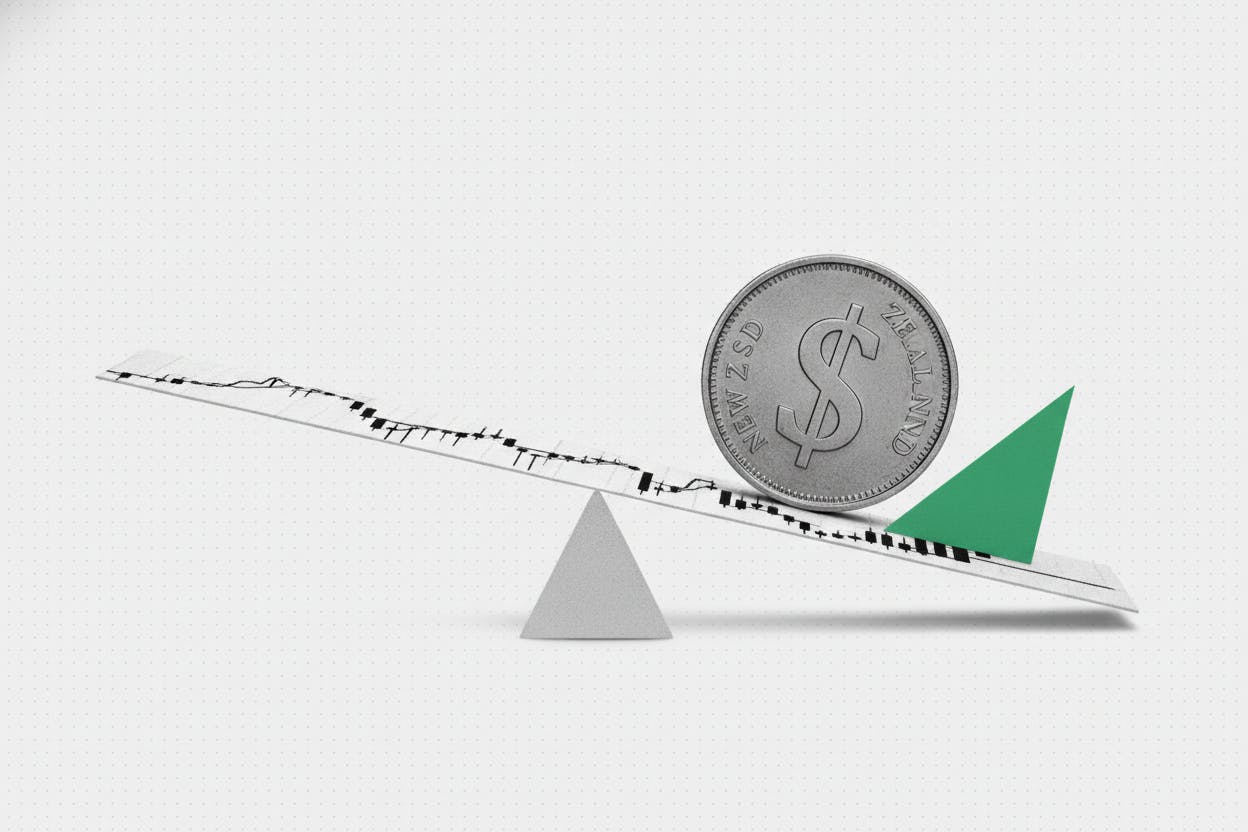
The New Zealand dollar slipped 0.4% to $0.5687 on Monday, giving back some of last week's gains as traders focused on the Reserve Bank of New Zealand's upcoming interest rate decision on Wednesday. The move reflects growing expectations that the central bank will raise its official cash rate from the current 2.25%.
Markets are currently pricing in a roughly 75% chance of a rate hike at the meeting, according to the source brief. The kiwi had risen 1.3% last week, making Monday's decline a partial reversal as investors positioned for the decision.
Why the RBNZ Decision Matters
The Reserve Bank of New Zealand sets the official cash rate, which influences borrowing costs across the economy. A hike would make mortgages and business loans more expensive, potentially slowing economic activity but also helping to curb inflation. The current rate of 2.25% is already above the levels seen during the pandemic, but the central bank has signaled it may need to go further.
The RBNZ's May meeting was notably hawkish, with three policymakers voting to raise rates even though the majority opted to hold. That split has fueled speculation that Wednesday's decision could see a move. Economists are divided: a Reuters poll showed most expect a hike, while the New Zealand Institute of Economic Research's shadow board recommended holding, describing the outlook as "finely balanced" amid mixed economic signals.
What It Means for Investors
Currency movements like this one matter for everyday investors in several ways. A weaker New Zealand dollar makes imports more expensive, which can feed into inflation and affect consumer prices. For investors holding New Zealand assets, a falling kiwi reduces the value of returns when converted back to other currencies.
The kiwi's sensitivity to interest rate expectations is a reminder that central bank decisions are a key driver of currency markets. If the RBNZ does hike, the kiwi could strengthen as higher rates attract foreign capital. If it holds, the currency might fall further as markets adjust their expectations.
For context, similar dynamics are playing out in other currency markets. The Canadian dollar recently stalled near a 14-month low as trade uncertainty weighed, while the US dollar slipped after a softer jobs report cooled expectations for Federal Reserve rate hikes. These moves show how global interest rate expectations are driving currency volatility.
Broader Market Context
The New Zealand dollar is not alone in its recent volatility. Emerging market currencies have also been sensitive to US economic data, with emerging market stocks surging 2.2% after softer US jobs data weakened the dollar. In Latin America, markets rose as the same data eased fears of Fed rate hikes.
The RBNZ's decision will also be watched for its impact on New Zealand's economy, which has been grappling with inflation pressures. A rate hike could help cool price rises but might also slow growth, a balancing act that central banks around the world are facing.
What to Watch Next
Investors should keep an eye on Wednesday's RBNZ announcement for the actual rate decision and the accompanying statement, which will provide clues about the future path of rates. The kiwi's reaction will likely be sharp, with a hike potentially pushing it back above $0.57 and a hold sending it lower.
Beyond the RBNZ, global factors such as US economic data and trade developments will continue to influence the kiwi. The currency's recent moves highlight how interconnected markets are, with central bank decisions in one country rippling through currency and asset prices worldwide.