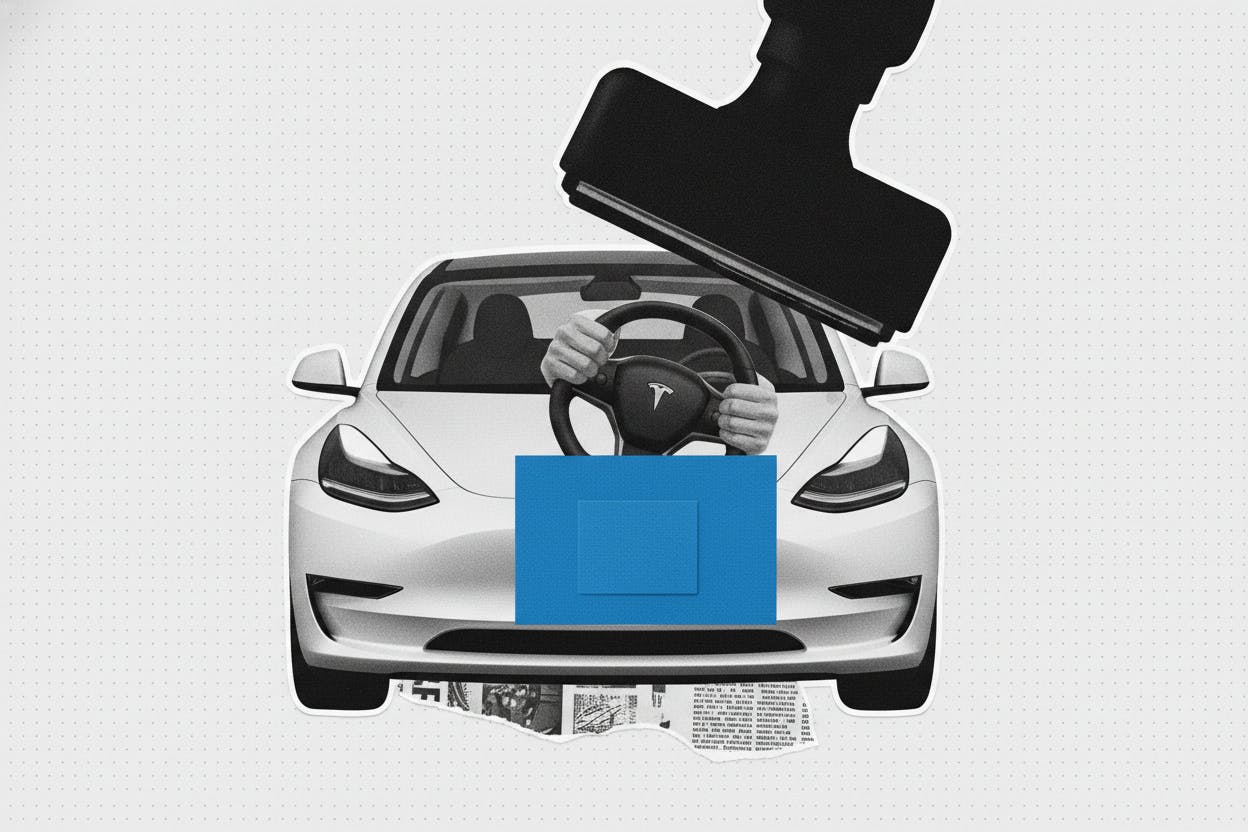
Federal auto-safety regulators have closed a probe into Tesla steering problems after the electric-vehicle maker issued a recall and deployed an over-the-air software update to fix the issue. The National Highway Traffic Safety Administration (NHTSA) said the review covered 376,241 vehicles from the 2023 Model 3 and Model Y lines.
The investigation began after drivers reported that steering could suddenly become much harder to turn, especially at low speeds. That loss of power-steering assist raised concerns about increased crash risk, prompting NHTSA to open a formal review.
How Tesla Fixed the Problem
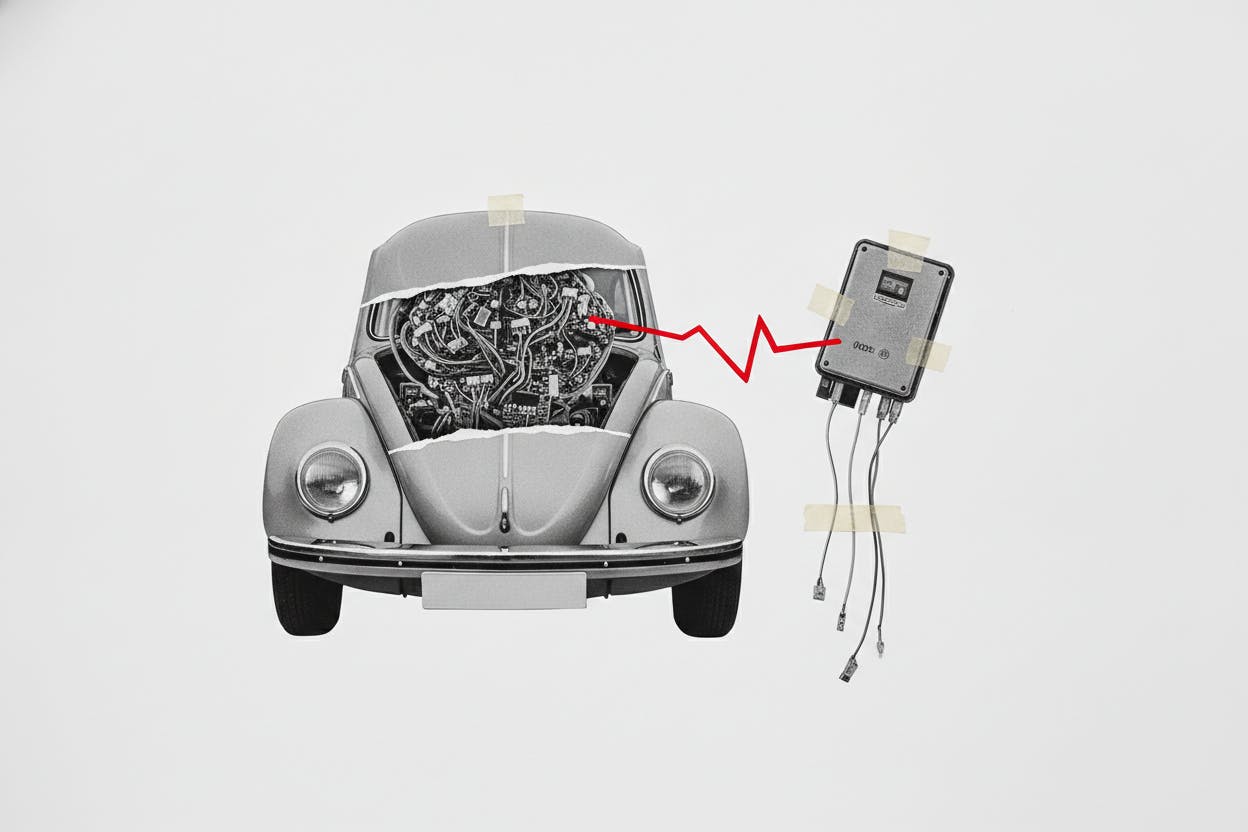
Tesla addressed the issue with a software-based recall in early 2025, covering roughly 376,000 cars. Instead of requiring owners to visit a service center, the company pushed an over-the-air update—a wireless fix that downloads directly to the vehicle. This type of remedy has become common in the auto industry, particularly for software-related defects, and avoids the logistical hassle of physical repairs.
The fix was designed to prevent the power-steering assist failure from occurring. NHTSA determined that the recall and update adequately addressed the safety risk, leading the agency to close its investigation.
For context, Tesla has faced multiple NHTSA probes over the years, ranging from Autopilot performance to suspension components. The closure of this steering probe removes one regulatory overhang for the company, though it still faces scrutiny on other fronts.
What This Means for Investors
For Tesla shareholders, the end of this probe is a modest positive. Regulatory investigations can lead to fines, mandatory buybacks, or even forced production changes—all of which carry costs and reputational damage. By resolving the issue through a software update, Tesla avoided a more expensive physical recall and kept the matter from escalating.
However, the recall itself is a reminder of the quality-control challenges that come with high-volume production. Tesla has consistently ranked near the bottom of industry quality surveys, and recalls—even software-based ones—can erode consumer confidence over time. Rival automakers like Ford have also faced high recall numbers, as noted in a recent JD Power quality ranking that showed Ford leading in recalls despite topping the charts for initial quality.
Investors should also consider the broader regulatory environment. NHTSA has been increasingly active in policing software-related defects, especially as cars become more dependent on code. Over-the-air updates are convenient, but they also mean regulators are watching how quickly and effectively companies respond to safety issues.
Broader Market Context
The closure of this probe comes at a time when Tesla is navigating a complex landscape. The company has been cutting prices to boost demand, facing increased competition from Chinese EV makers, and dealing with investor concerns about margins. Meanwhile, the broader auto industry is grappling with supply chain shifts and the transition to electric vehicles.
On the regulatory side, Tesla is not alone in facing scrutiny. Other automakers have dealt with similar steering-related recalls, and the industry as a whole is under pressure to improve software reliability. The ability to fix problems remotely is a double-edged sword: it speeds up repairs but also raises expectations for rapid response.
For everyday investors, the key takeaway is that regulatory risk is a normal part of owning auto stocks. While this probe's closure removes one uncertainty, it doesn't change the fundamental challenges Tesla faces in production quality, demand, and competition. As always, diversification and a long-term perspective remain important.