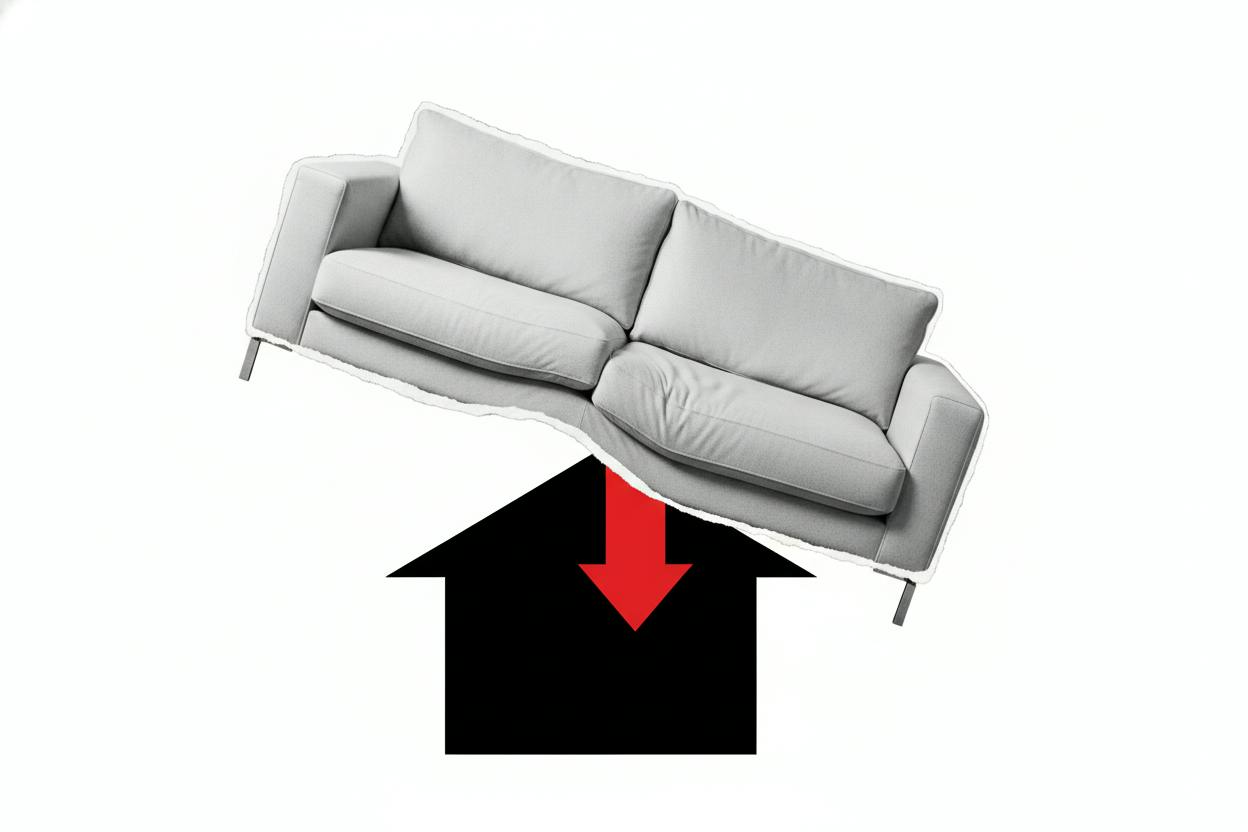
Australian furniture retailer Nick Scali has slashed its profit outlook for the first half of the financial year, sending its shares sharply lower as weaker housing conditions kept shoppers out of its stores in Australia and New Zealand.
After the market closed on Wednesday, the company said it now expects underlying net profit after tax (NPAT) of between A$28 million and A$32 million for the six months ending December 31. That compares with A$41 million in the same period a year earlier—a drop of roughly 22% to 32%.
Why housing matters for furniture sales
The warning underscores how closely furniture demand tracks the housing market. Big-ticket items like sofas, dining tables, and bedroom suites are often bought when people move house, renovate, or feel financially confident enough to take on new payments. When housing activity slows—whether due to higher interest rates, falling property prices, or general economic uncertainty—furniture purchases are easy to postpone.
Nick Scali said first-quarter written sales orders fell 15% across Australia and New Zealand, while store traffic dropped 10%. That is a significant decline for a retailer that relies on foot traffic and discretionary spending.
The company did point to one bright spot: its UK business saw written sales orders jump 29%. However, that growth starts from a much smaller base and is unlikely to fully offset the weakness in its core markets.
What the profit warning means for investors
For investors, the revised guidance is a clear signal that the company expects the tough conditions to persist. A slowdown in traffic can hurt profits faster than it hurts sales. Retailers still have to pay largely fixed costs—store rent, staffing, and delivery logistics—so weaker revenue doesn't translate into equally lower expenses. When demand cools, companies often rely more on promotions to convert fewer shoppers and clear inventory, which squeezes profit margins.
That combination helps explain why the market reacted so sharply. The stock fell after the announcement, and the next moves could hinge on how quickly analysts trim their forward earnings estimates. If the profit outlook is cut further, the shares could face additional pressure.
Nick Scali's situation is not unique. Retailers across the sector are grappling with similar headwinds, and the broader Australian market has been steady but cautious as investors weigh the impact of higher interest rates on consumer spending.
What to watch next
Investors will be watching for any signs of improvement in housing data, as well as the company's ability to manage costs and protect margins. The UK expansion could provide some offset, but it remains a small part of the overall business.
For everyday investors, the key takeaway is that furniture retailers are highly sensitive to the housing cycle. When the property market slows, so does demand for big-ticket home goods. That makes stocks like Nick Scali more volatile and dependent on broader economic conditions.
The company's profit warning also highlights the importance of watching for earlier warnings—this is not the first time Nick Scali has flagged profit pressure. In a previous instance, a cyber outage disrupted sales, showing how operational issues can compound demand weakness.
As the housing market remains soft, investors should expect more volatility in furniture and home-related stocks. The next earnings report will be crucial in determining whether the current slowdown is temporary or part of a longer trend.