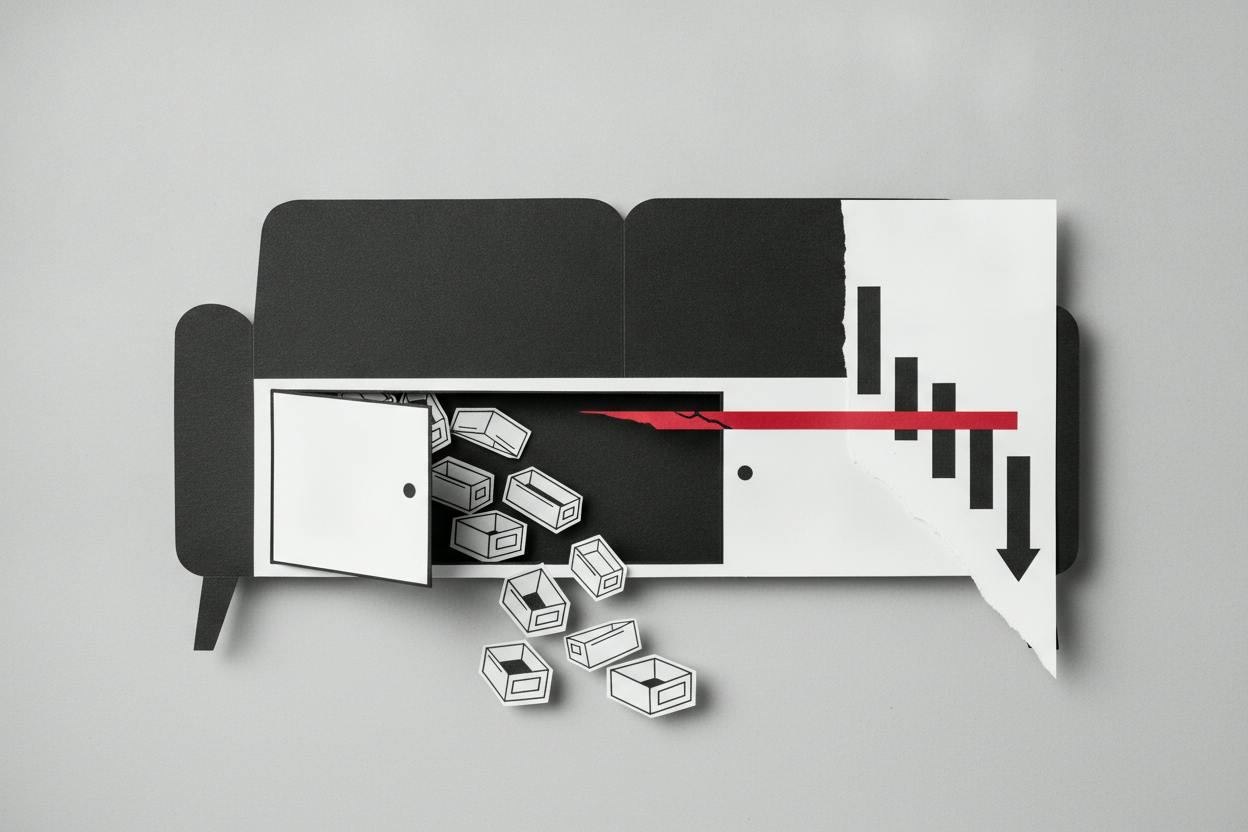
Furniture retailer Nick Scali has warned that softer demand in Australia and New Zealand, compounded by a cyber-related systems outage in August, will weigh on its first-half results. The company now expects net profit after tax (NPAT) for the half to land between AU$28 million and AU$32 million, down from the prior year's AU$47.3 million.
The guidance reflects a noticeable slowdown in orders across both markets, as consumers pull back on big-ticket discretionary purchases amid persistent cost-of-living pressures. Adding to the pain, an August disruption to its enterprise resource planning (ERP) system—the software that manages everything from inventory to orders—cost the company about AU$980,000 in lost sales and recovery expenses.
What happened with the ERP disruption?
In August, Nick Scali experienced a cyber incident that knocked its core planning software offline for roughly three weeks. ERP systems are the backbone of a retailer's operations, handling order processing, stock management, and logistics. When the system went down, the company couldn't process orders or manage inventory normally, which directly hit sales.
The AU$980,000 cost includes both the direct financial impact of the disruption and the expenses tied to getting systems back online. While the company didn't specify the nature of the cyber attack, such incidents are increasingly common across the retail sector, where customer data and supply chain dependencies make companies attractive targets.
This isn't the first time a major retailer has faced such a setback. Tech and retail stocks often see sharp moves when unexpected operational issues arise, but the long-term damage depends on how quickly the company recovers.
Why are sales softening?
Beyond the cyber issue, Nick Scali pointed to a broader cooling in furniture demand. Australia and New Zealand consumers are increasingly cautious about spending on non-essential items like sofas and dining sets, as high interest rates and inflation eat into household budgets.
Furniture is a classic discretionary purchase—when money is tight, people delay big purchases. This trend is not unique to Nick Scali; other retailers have noted similar headwinds. For instance, Halfords saw sales rise but shares fall as investors weighed the broader retail environment, and Domino's UK sales growth was seen as a bright spot in an otherwise cautious consumer landscape.
The company's order book, a key indicator of future sales, has also weakened. With fewer orders coming in, the second half of the fiscal year could remain challenging unless consumer confidence improves.
What it means for investors
For shareholders, the profit warning is a clear signal that the retail environment has turned tougher. The AU$28-32 million range is well below the AU$47.3 million reported in the same period last year, representing a potential drop of 32% to 41%.
Investors should also note the one-off nature of the cyber cost. While the AU$980,000 is not huge relative to the company's overall profit, it underscores the operational risks that come with digital dependence. Companies that invest in robust cybersecurity and disaster recovery may be better positioned to weather such events.
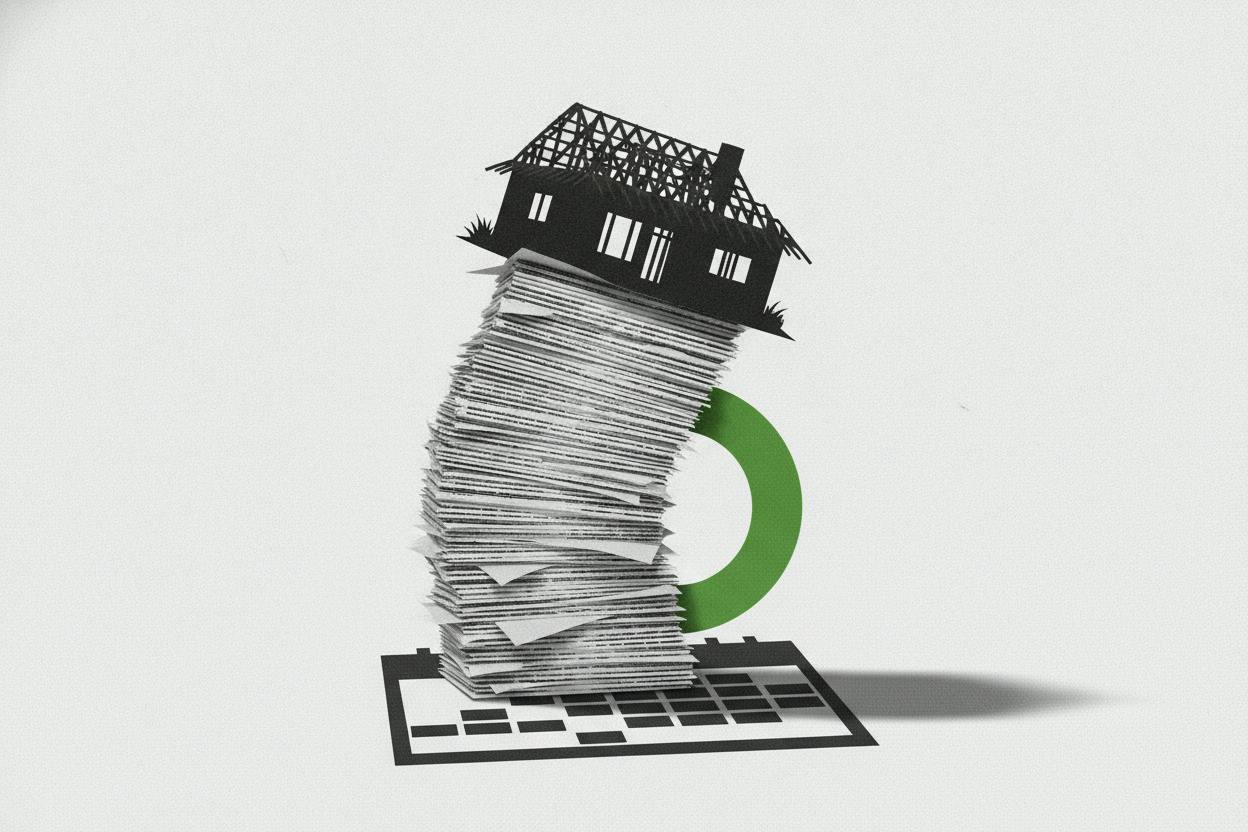
The bigger concern is the demand slowdown. If interest rates stay elevated and housing activity remains subdued, furniture sales could stay under pressure. Nick Scali's performance is often seen as a bellwether for the Australian consumer, given its exposure to the housing market—new homes and renovations drive furniture purchases.
Looking ahead, investors will watch for signs of a recovery in orders, as well as any update on the ERP system's stability. The company's ability to manage costs and maintain margins in a softer sales environment will also be key.
While the short-term outlook is cautious, Nick Scali has a history of strong brand recognition and a loyal customer base. Long-term investors may see this as a temporary dip, but the immediate focus is on how the company navigates the current headwinds.
For now, the market will likely react negatively to the news, but the full impact will depend on whether the company can deliver on the lower end of its guidance and whether consumer sentiment improves in the coming months.