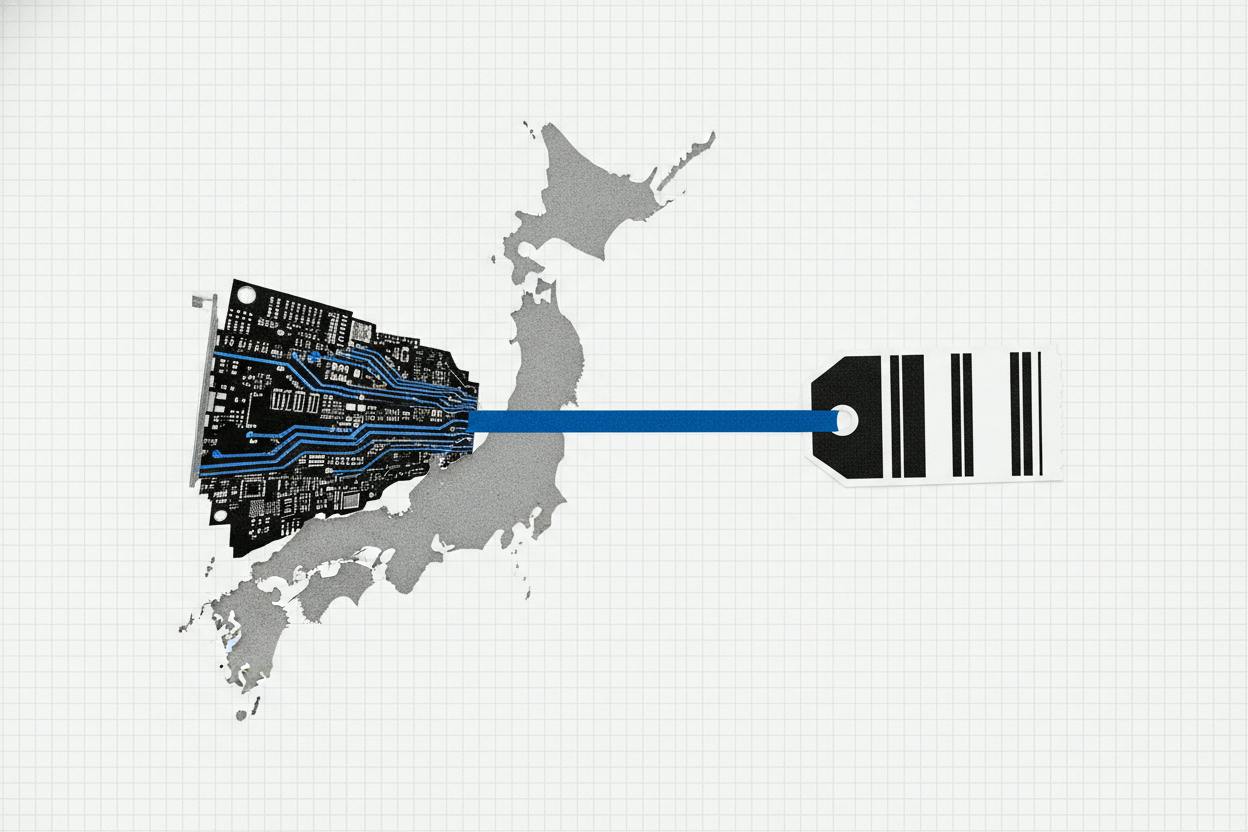
Japan's benchmark Nikkei 225 index climbed 1.56% in early trading on [day], extending a global rally in technology shares. The move came after a strong session on Wall Street and fresh reports that Chinese tech giants are placing massive orders for Nvidia's latest graphics processing units (GPUs), reigniting optimism about the artificial intelligence (AI) hardware boom.
The broader Topix index also rose 1.03%, indicating that the gains were not confined to a handful of mega-cap names. Investors piled back into Japanese exporters and electronics supply-chain companies, betting that the AI buildout continues to translate into real orders.
What's driving the rally?
The key catalyst was a report, cited by Reuters, that China's tech giants ByteDance, Alibaba, and Tencent have ordered more than 3 million Nvidia RTX PRO 5500 GPUs, worth over $35 billion. While Nvidia itself is not listed in Japan, the news sent ripples through the domestic supply chain that supports AI hardware production.
Japan's own trade data added to the positive mood. September exports rose 16.7% year-on-year, according to official figures. Although that came in slightly below analyst forecasts, it still pointed to steady overseas demand for goods tied to semiconductors and AI equipment.
That mix tends to funnel attention to what analysts call "one-step-removed" suppliers: companies that don't sell the headline AI chips but provide the materials and components that go into the servers and devices those chips power. On the day, names like Mitsui Kinzoku, Ibiden, and JX ADVANCED META outperformed the wider index, as investors bet on higher demand for substrates, specialty metals, and precision parts.
Why a $35 billion GPU order matters for Japan
When hyperscalers and big platforms place unusually large GPU orders, the impact rarely stops at Nvidia. It can pull forward demand for a wide range of upstream products—from ceramic substrates and copper foil to chemicals and precision machinery. Japanese firms are deeply embedded in this supply chain, making them direct beneficiaries of any surge in AI-related capital spending.
This "upstream pull-through" effect is why AI-led rallies in Japan often look narrow but intense. Chip-adjacent materials and electronics suppliers can outperform the broader Nikkei and Topix when new demand signals keep arriving. For investors, the main question becomes whether these order headlines turn into sustained shipments over multiple quarters, or fade after a single buying wave.
History suggests that AI-related demand can be lumpy. A single large order can boost sentiment, but sustained growth depends on whether data-center builders and cloud providers continue to expand capacity. The recent surge in AI server demand seen at companies like Super Micro suggests that the appetite for AI hardware remains strong, but investors should watch for signs of digestion.
What it means for investors
For everyday investors, the Nikkei's jump is a reminder that AI-related optimism can move markets far beyond the obvious tech giants. Japanese suppliers of semiconductors, electronic components, and specialty materials are often leveraged to the same global AI spending cycle that drives Nvidia's results.
However, it's important to keep perspective. The 16.7% export growth, while solid, missed forecasts, and the GPU order reports have not been officially confirmed by the companies involved. Markets can overreact to unverified headlines, and a single order—no matter how large—doesn't guarantee a sustained earnings trend.
Investors should also consider the broader context. Japan's market has been sensitive to global interest-rate expectations and currency moves. A weaker yen tends to boost exporters, while a stronger yen can weigh on them. The recent easing of oil prices may help global sentiment, but it's not a direct driver for Japanese equities.
For those looking to gain exposure to the AI supply chain, it's worth remembering that "one-step-removed" suppliers can be more volatile than the chip designers themselves. Their fortunes are tied to order cycles, inventory adjustments, and the pace of technology upgrades. As always, diversification and a long-term view are key.
In the near term, all eyes will be on whether the reported GPU orders are confirmed and whether Japan's export momentum continues. If AI demand remains robust, the current rally could have legs. If not, today's gains could prove short-lived.