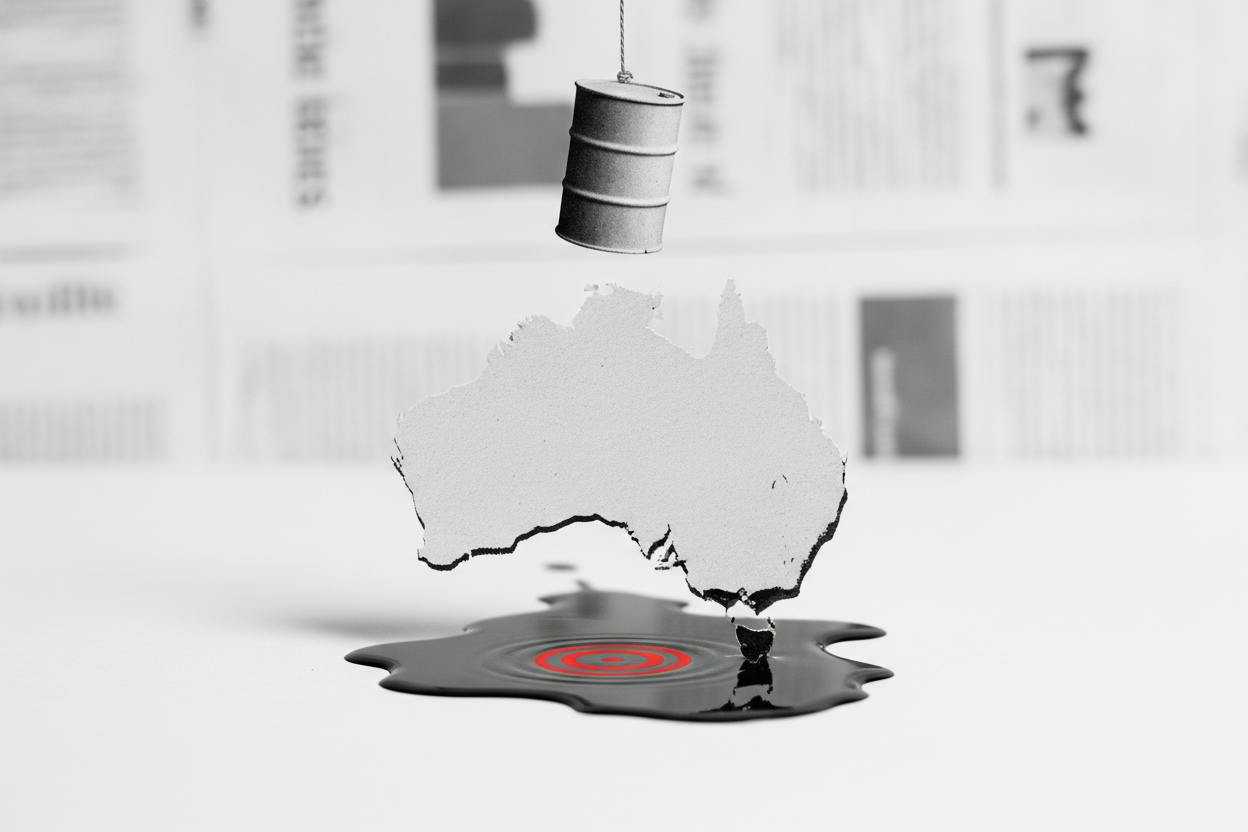
Australian shares are expected to open higher on Tuesday, following a pullback in oil prices from a five-month high that has eased some inflation concerns. The positive tone comes after the S&P 500 rose 0.3% overnight, with the Dow Jones Industrial Average gaining 1%.
Investors are balancing two competing forces: the potential for diplomatic progress in the Middle East, which could cool crude prices, and fresh shipping risks that threaten to keep energy costs elevated. The interplay between geopolitics and energy prices is a key driver for markets globally, and Australia's resource-heavy index is particularly sensitive to these moves.
Oil prices: a delicate balance
Crude oil had climbed to a five-month high as tensions in the Middle East escalated, but prices have since retreated as traders weigh efforts to ease US-Iran tensions. However, reports of vessel attacks in the Gulf and continued Houthi strikes on Saudi infrastructure are keeping a 'risk premium' embedded in the price of oil.
This risk premium reflects the market's uncertainty about supply disruptions. Any significant escalation could quickly send prices higher again, while successful diplomacy could see them fall further. For everyday investors, the direction of oil prices matters because energy costs feed directly into inflation, which in turn influences central bank interest rate decisions.
In related news, the UK has deployed Typhoon jets to guard Saudi skies as oil prices slip, a move that underscores the ongoing security concerns in the region. You can read more about that here.
What it means for investors
For Australian investors, a cooling oil price is generally a positive sign. Lower energy costs can reduce inflationary pressures, which might give the Reserve Bank of Australia more room to consider rate cuts later this year. That would be a boost for households with mortgages and for consumer-facing companies.
However, the situation remains fluid. Shipping risks in the Gulf and Red Sea can disrupt global supply chains, affecting not just oil but also other goods. Companies with exposure to shipping or energy costs may see their margins fluctuate. Investors should keep an eye on any headlines about Middle East tensions, as they can move markets quickly.
The overnight performance of US stocks, with the S&P 500 and Dow both in positive territory, suggests that investors are cautiously optimistic. But the gains were modest, reflecting the uncertainty that still hangs over the market.
For those looking at the broader energy sector, the recent moves in oil prices are worth monitoring. Halliburton's 2027 plan, for instance, leans heavily on the Middle East rather than US fracking, indicating where the industry sees future growth. You can find more details in our analysis.
Looking ahead
As the trading day unfolds, Australian investors will be watching for any new developments in the Middle East, as well as domestic economic data. The key question is whether the cooling in oil prices is a temporary blip or the start of a sustained trend. If oil continues to ease, it could provide a tailwind for equities and a reprieve for inflation-weary consumers.
But the risk premium in crude suggests that the market is not fully convinced that tensions are easing. Any escalation could quickly reverse the current positive sentiment. For now, the mood is cautiously optimistic, with investors hoping that diplomacy wins the day.
In the meantime, other sectors are also in focus. For example, Netflix's soft profit forecast and Intuitive Surgical's trimmed outlook are reminders that corporate earnings can also drive market moves. But today, the spotlight is on oil and geopolitics.