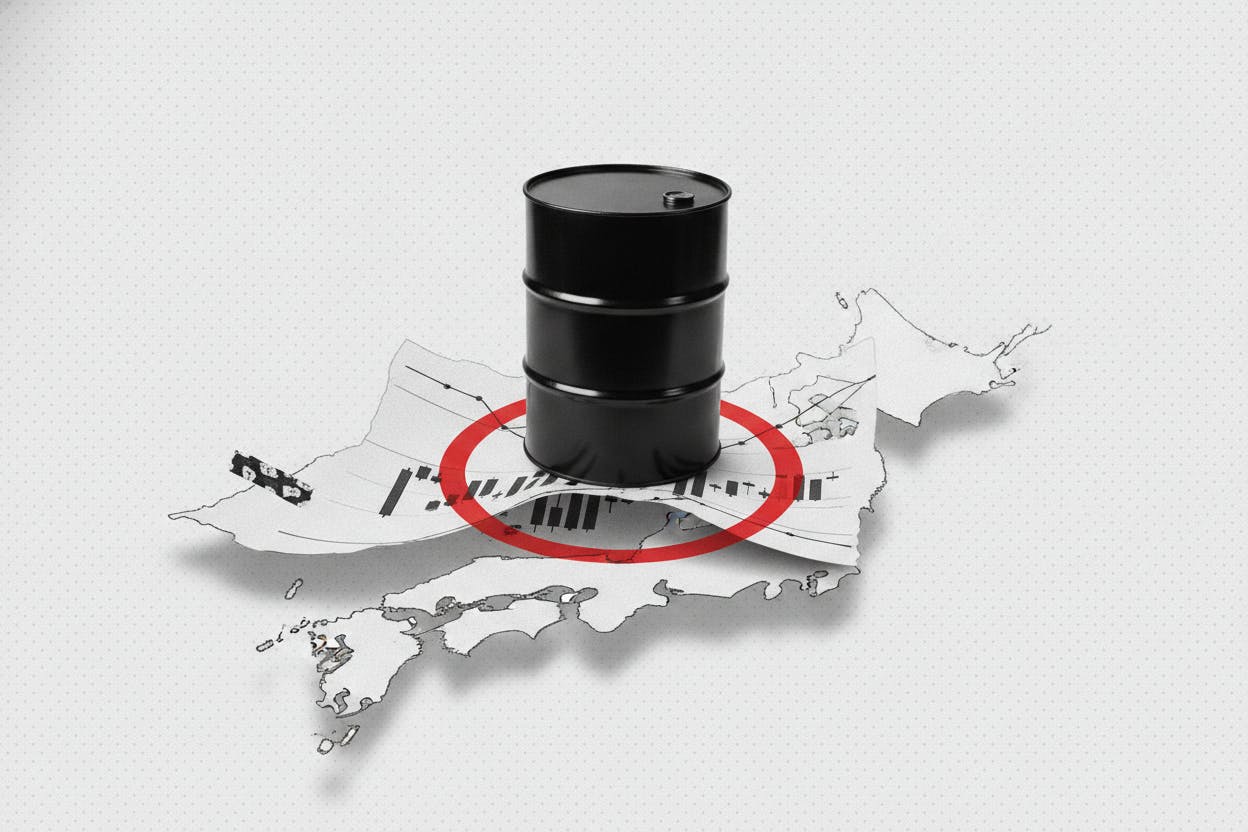
Japanese stocks slipped on Tuesday, with the Nikkei 225 index down 0.2%, as escalating Middle East tensions pushed Brent crude oil toward the $100-a-barrel mark. The move came just ahead of key US inflation data that could shape expectations for global interest rates.
Brent crude, the international benchmark, was trading near $99.5 to $99.7 a barrel after fresh attacks in the region. Houthi strikes on Saudi energy installations and Iranian attacks on US bases in Jordan added a fresh "supply-risk premium" to oil prices—investors demanding a higher price because future supply feels less certain.
Why oil at $100 matters
For everyday investors, a move toward $100 oil is about more than just the cost of filling up a car. Energy is a major input across the economy, from transportation and manufacturing to heating and electricity. When oil prices climb sharply, they can push up headline inflation—the broad measure that includes volatile food and energy prices.
That matters because central banks, including the US Federal Reserve, watch inflation closely when deciding whether to raise, hold, or cut interest rates. If oil keeps rising, it could keep inflation elevated, prompting the Fed to keep rates higher for longer. Higher rates tend to weigh on stock valuations, especially for growth-oriented companies that promise big future earnings.
For Japanese stocks, the link is twofold. First, Japan is a major energy importer, so higher oil prices can squeeze corporate profits and consumer spending. Second, the Nikkei often moves in tandem with global sentiment, and worries about inflation and rates can ripple across markets worldwide.
US inflation data in focus
Investors are now turning their attention to the upcoming US inflation report, which could offer clues about the Federal Reserve's next move. If inflation comes in hotter than expected, it could reinforce the case for keeping interest rates elevated. If it cools, it might open the door to rate cuts later this year.
The combination of rising oil prices and inflation data creates a delicate balancing act for markets. On one hand, strong economic data can be positive for corporate earnings. On the other, if inflation stays sticky, it could delay the rate cuts that investors have been hoping for.
This is not the first time oil has spiked on Middle East tensions. In recent months, attacks in the region have already pushed prices higher, and each escalation tends to inject a fresh dose of volatility into global markets.
What it means for investors
For ordinary investors, the key takeaway is that oil at $100 is a signal to watch. It can affect everything from the price of goods at the supermarket to the returns in your retirement portfolio. Energy stocks often benefit from higher prices, but the broader market can suffer if inflation fears take hold.
It's also worth remembering that markets have been resilient in the face of geopolitical shocks before. While a spike in oil can cause short-term jitters, the long-term impact depends on whether the conflict escalates further and how central banks respond.
Investors should keep an eye on the US inflation report and any further developments in the Middle East. As always, diversification remains a key strategy—spreading investments across different asset classes can help cushion against sudden moves in any single area.
For those with exposure to Japanese equities, the Nikkei's modest decline suggests that investors are not panicking, but they are cautious. The yen's recent strength, which can hurt Japanese exporters, is another factor to watch. A stronger yen makes Japanese goods more expensive overseas and can weigh on the earnings of companies like Toyota and Sony.
In the coming days, the focus will likely remain on oil prices and inflation data. If Brent crude breaks decisively above $100, it could trigger a more pronounced market reaction. But for now, the move is being treated as a reason for caution, not alarm.