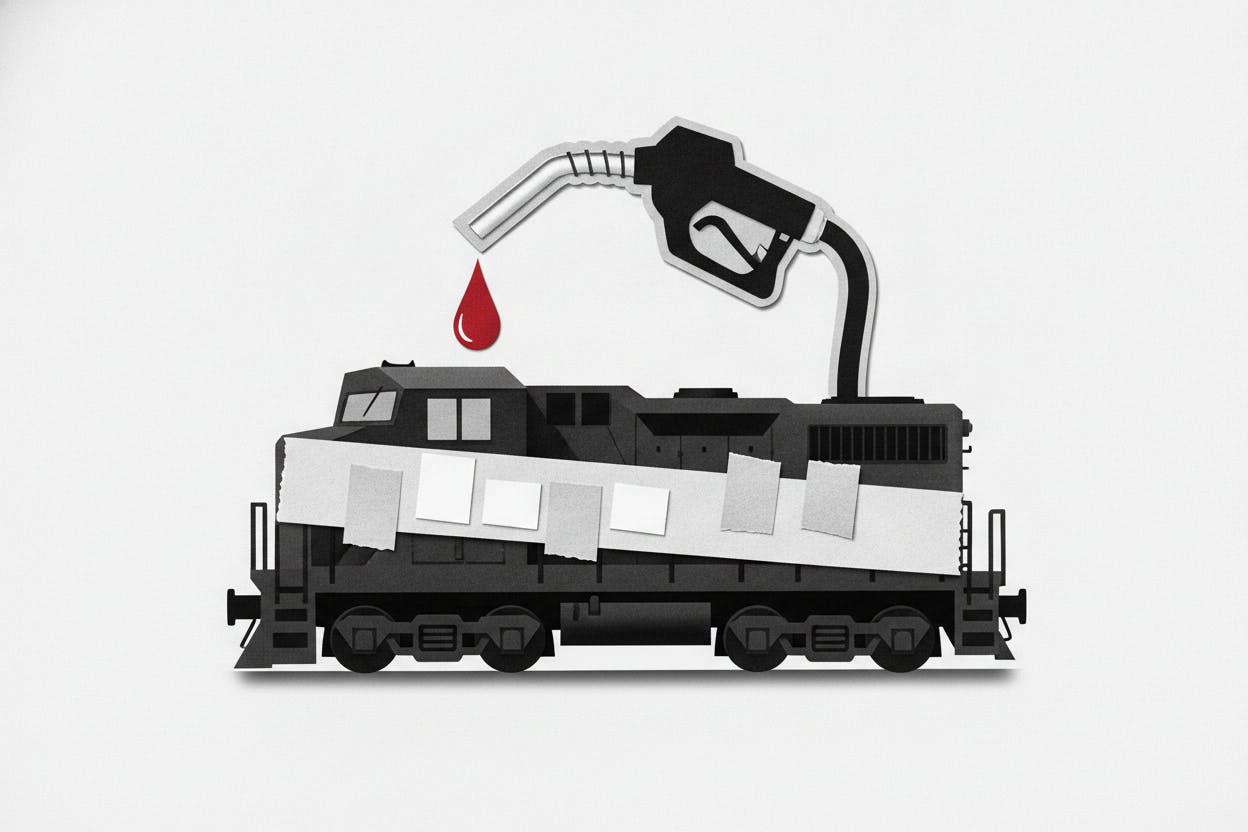
Norfolk Southern, one of the largest U.S. railroads, reported second-quarter adjusted profit of $3.52 per share, surpassing Wall Street's estimate of $3.31. The beat was driven by firmer freight demand and higher fuel surcharges that helped offset rising diesel costs, according to Reuters.
How Fuel Surcharges Work
Fuel is a major expense for railroads, and Norfolk Southern uses fuel surcharges to pass some of that volatility on to customers. These fees are typically tied to published fuel indexes and customer contracts, meaning they adjust with a lag rather than in real time. When diesel prices rise, the surcharges increase, helping protect the railroad's margins. In the second quarter, higher fuel surcharges contributed to the earnings beat, even as fuel costs themselves climbed.
Operating income rose 11% to $3.5 billion, reflecting the benefit of both higher volumes and the surcharge mechanism. The company's ability to manage fuel costs is a key factor for investors, as transportation companies are often exposed to swings in energy prices.
Freight Demand Trends
The stronger freight demand that Norfolk Southern experienced is part of a broader trend in the U.S. economy. As consumer spending and industrial activity pick up, railroads see increased shipments of goods like coal, chemicals, and agricultural products. This demand helped offset the impact of higher fuel costs and supported the company's bottom line.
Investors are watching freight volumes closely as a gauge of economic health. Norfolk Southern's results suggest that demand remains resilient, even as some sectors face headwinds from inflation and interest rates. The company's performance mirrors that of other transportation firms that have benefited from steady shipping activity.
What It Means for Investors
For everyday investors, Norfolk Southern's earnings beat highlights the importance of understanding how companies manage costs. Fuel surcharges are a common tool in the transportation industry, but they don't always move in lockstep with diesel prices. The lag in adjustments can create short-term mismatches, but over time, they help stabilize profits.
Norfolk Southern's results also underscore the broader economic picture. Strong freight demand suggests that businesses are still shipping goods, which is a positive sign for the economy. However, investors should be aware that fuel costs remain volatile, and any sharp spike in diesel prices could pressure margins in future quarters.
The company's performance is consistent with other recent earnings beats in the industrial sector. For example, Steel Dynamics beat Q2 estimates and sees strong U.S. demand through 2027, while TE Connectivity also beat estimates on AI data center demand. These reports suggest that industrial activity remains robust, even as some tech and consumer companies face challenges.
Norfolk Southern's ability to beat estimates despite higher fuel costs is a testament to its pricing power and operational efficiency. Investors will want to watch whether freight demand continues to hold up in the second half of the year, especially as the Federal Reserve's interest rate decisions and inflation data influence economic activity.
Overall, the earnings beat is a positive signal for Norfolk Southern and the broader transportation sector. But as always, investors should consider the risks: fuel price volatility, potential economic slowdown, and regulatory changes could all impact the company's future performance.