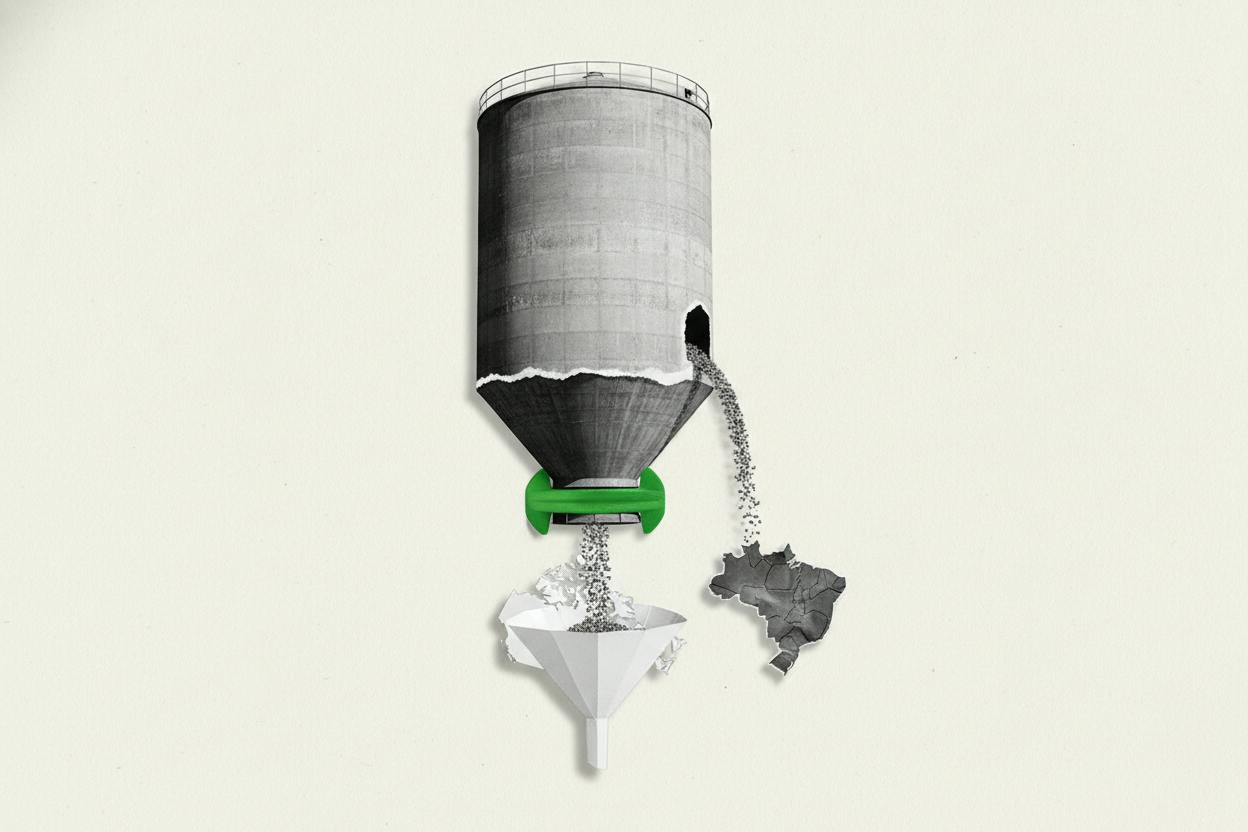
Canadian fertilizer giant Nutrien has decided to hold on to its Aurora phosphate complex in North Carolina, after concluding that bids from potential buyers were not good enough. The company also signaled that it expects global potash and nitrogen markets to remain constrained into 2027, a view that could shape fertilizer prices for the next couple of years.
Why Nutrien is keeping Aurora
Nutrien had been exploring a sale of the Aurora facility as part of a broader effort to streamline its portfolio and cut costs. But after reviewing offers, management decided the bids did not reflect the asset's long-term value. Keeping Aurora means Nutrien retains a key production site for phosphate, a nutrient used in fertilizers that is essential for crop growth.
The decision comes as Nutrien has been under pressure to improve profitability. Earlier, the company announced it would shutter a Florida phosphate plant as part of cost-cutting measures. The contrast between closing one facility and retaining another highlights how Nutrien is trying to balance short-term savings with long-term strategic positioning.
Tight supply, not booming demand, to drive prices
Nutrien's outlook for the fertilizer market is a key part of the story. The company argues that prices over the next couple of years will be driven more by limited supply than by surging demand. It expects little new global potash capacity to come online, which could keep potash markets tight. For nitrogen, Nutrien sees markets staying constrained into 2027, with higher urea exports from China only partly offsetting plant outages and reduced shipments from the Middle East.
This is a notable shift from the boom years when fertilizer prices were lifted by strong global demand and supply chain disruptions. Now, the focus is on how supply-side factors—such as plant closures, geopolitical tensions, and limited new investment—will keep markets balanced or even tight.
What it means for investors
For everyday investors, Nutrien's decision and outlook offer a few takeaways. First, the company's willingness to keep Aurora suggests it believes the asset will generate more value over time than a quick sale would bring. That could be a positive sign for long-term shareholders, though it also means Nutrien is taking on the risk of continued operational costs.
Second, the expectation of tight fertilizer supply into 2027 could support prices for potash and nitrogen. If Nutrien is right, fertilizer producers may enjoy stronger pricing power, which could boost their revenues and profits. However, investors should remember that commodity markets are notoriously hard to predict, and supply can change quickly if new projects come online or demand weakens.
Nutrien also flagged that its Brazil retail business is set for moderately negative EBITDA in 2026. That is a reminder that not all parts of the company are performing equally. Brazil is a major agricultural market, but retail margins there can be thin and volatile.
Broader context
Nutrien is one of the world's largest fertilizer companies, and its views on supply and demand are closely watched by investors and farmers alike. The company's comments come at a time when global agriculture is facing pressures from weather events, trade policies, and shifting crop prices. Fertilizer is a critical input for food production, so any sustained tightness in supply could have ripple effects on food prices and farm economics.
For those who own Nutrien shares or are considering them, the key question is whether the company can execute on its strategy of maintaining assets like Aurora while managing costs and navigating a potentially tight but not booming market. The company's next earnings report will likely provide more color on how these trends are playing out.
In the meantime, investors might also keep an eye on related stories, such as Nutrien's Florida plant closure, which shows the company's cost-cutting efforts, and broader market moves like the recent slide in Korean stocks, which reflect global risk sentiment.
Ultimately, Nutrien's decision to keep Aurora and its supply outlook are bets on the future of fertilizer markets. Whether those bets pay off will depend on how supply and demand evolve over the next few years.