When Nvidia reports its third-quarter earnings after the market closes on Tuesday, the numbers will matter — but the real focus will be on the person delivering them. With Jensen Huang's sudden exit last Thursday, interim CEO Colette Kress faces the first major test of whether Nvidia can hold together its sprawling web of partnerships, customers, and financiers without its iconic founder at the helm.
Investors have been rattled by the leadership change, which has already sent ripples through global markets. Asian tech stocks tumbled as the AI trade wobbled, and the uncertainty has weighed on Nvidia's shares, which are down 32% from an October peak. The stock's price-to-earnings ratio has fallen to 11 from as high as 40 just eight months ago — a dramatic compression that suggests the market is questioning not just growth, but the quality of the profits behind it.
The numbers still matter
Nvidia guided to third-quarter revenue of $108 billion, plus or minus 2%, and adjusted profit of $2.47 a share, up from $1.30 a year earlier. But the company also warned that gross margin could slip from 75% last quarter, citing rising memory costs. That's a reminder that even the dominant player in AI chips isn't immune to cost pressures.
Before the leadership change, analysts were focused on three big questions: whether debt-fueled AI spending holds up into 2027, whether margins can stay high, and why a $4 trillion chipmaker's stock has lost so much ground. Now, those questions are compounded by a fourth: Can Kress keep the ship steady?
Strategic questions take center stage
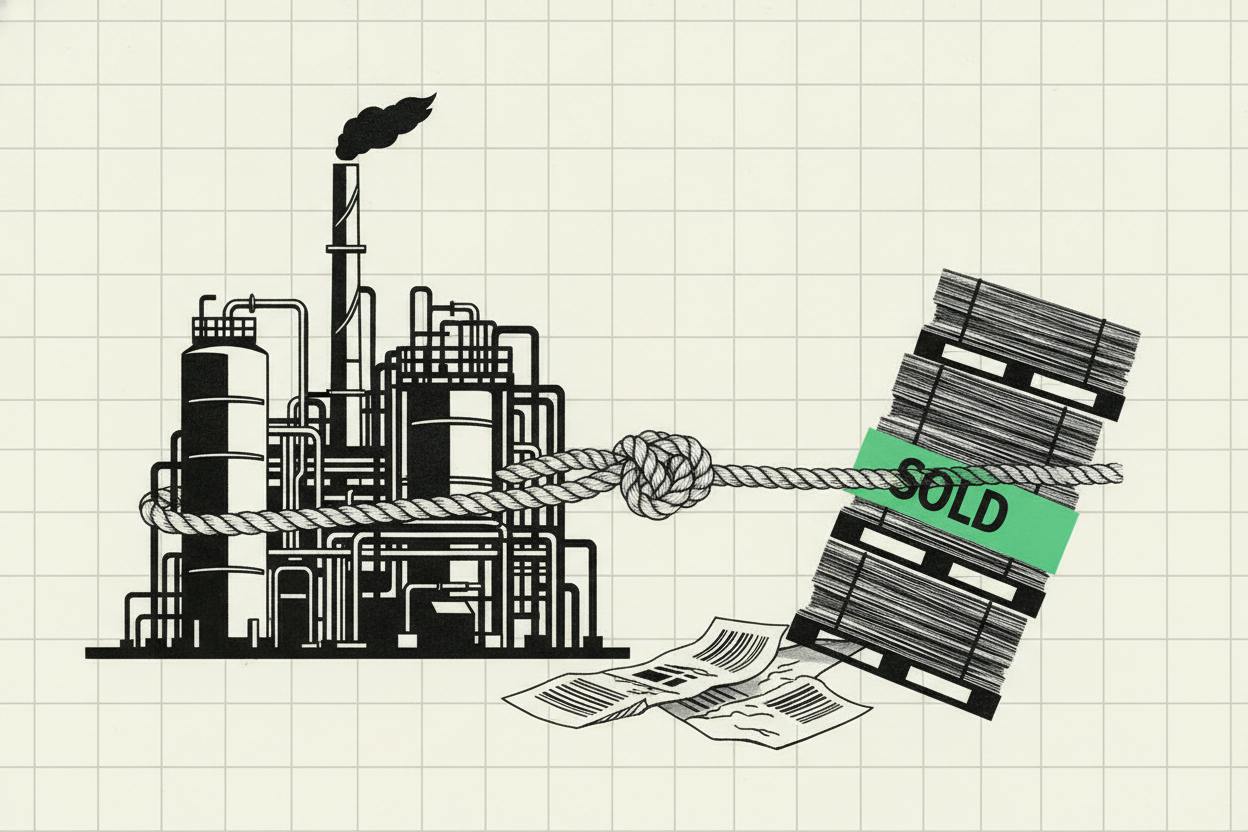
According to Reuters, the tougher questions on Tuesday's call will be strategic. Investors want clarity on how much revenue the new Vera Rubin platform is generating, whether Nvidia will keep supporting big financing packages tied to OpenAI and infrastructure providers like Lambda, and how to think about more than $500 billion in supply, capacity, and investment backstops.
These aren't just operational details. They speak to the durability of Nvidia's business model, which has increasingly relied on complex financial arrangements to lock in demand and fund the massive build-out of AI infrastructure. If partners or financiers get nervous about the leadership transition, those arrangements could fray.
The stakes are even higher given that, as analyst Max Anderl notes, nearly a third of Nvidia's profits come from non-operating gains tied to the mark-to-market value of equity stakes. That means a big chunk of the company's reported earnings is essentially a reflection of how other AI companies are performing, not just how many chips Nvidia sells.
What it means for investors
For everyday investors, the key takeaway is that a low price-to-earnings ratio isn't always a bargain signal. When a large slice of profit comes from mark-to-market gains on equity holdings, the "earnings" in that ratio starts to look less like money from selling chips and more like a portfolio that moves with AI-ecosystem valuations. Markets typically pay less for profits that can reverse through write-downs, which helps explain why Nvidia's multiple has compressed.
Add a CEO transition, and that discount can linger. Investors often want proof that partnerships and financing arrangements will hold before they treat forecasts as dependable. So Tuesday's call could shift Nvidia's valuation even without a major change to the $108 billion revenue outlook, because the market is also judging how durable profits look under new leadership.
The broader AI trade has already shown signs of fragility. Asian tech stocks tumbled in the wake of Huang's exit, and Europe's markets have been wobbling as investors reassess the sector's prospects. Meanwhile, there's speculation that the board could bring Huang back under pressure from tech leaders, though nothing has been confirmed.
For now, all eyes are on Kress. She's not just reporting numbers; she's making the case that Nvidia's future doesn't depend on one person. Whether she succeeds will likely determine how long the discount on Nvidia's stock persists — and how much faith investors place in the AI trade as a whole.