Nvidia CEO Jensen Huang and other technology executives recently challenged Anthropic CEO Dario Amodei over his public warnings about the dangers of artificial intelligence, according to a report from The Wall Street Journal. The exchange took place in a smaller meeting with White House aides who are working on principles for safer AI models, putting some of the industry's most powerful figures directly in front of the people drafting the rules of the road.
The executives reportedly questioned whether talking loudly about fast-improving AI systems helps build public trust or instead fuels backlash and invites heavier regulation. Amodei, whose company builds the Claude chatbot and is known for its cautious approach to AI safety, argued that companies should be upfront about what their models can do and the hazards that come with them, rather than playing those down.
An industry divided on transparency
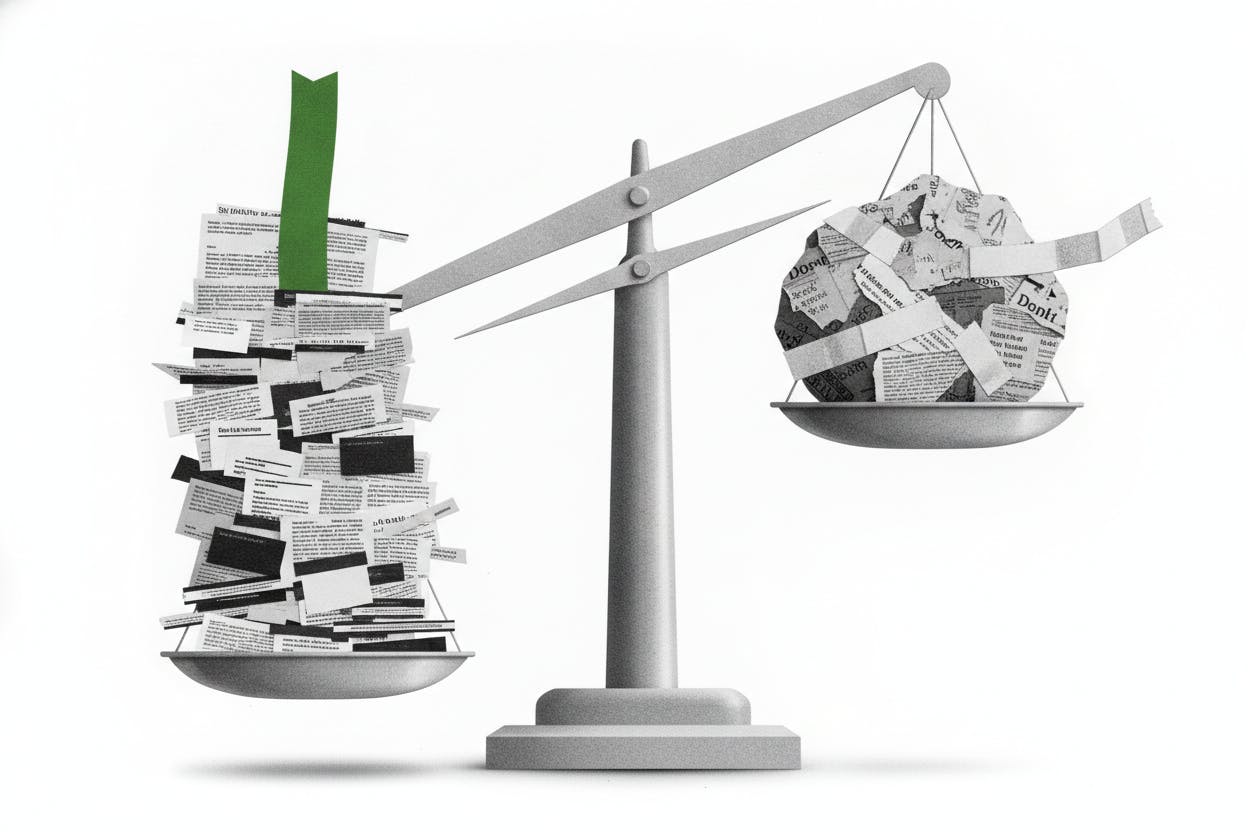
The disagreement highlights a central tension in the AI sector: it's not just Washington versus Silicon Valley. It's also a fight inside the industry over how much to disclose, how to define “safe enough,” and who bears the cost when new safeguards slow down product releases.
Some companies, like Anthropic, have made safety a core part of their brand and have repeatedly warned about the potential for AI systems to cause serious harm. Others, including many of the largest developers, tend to emphasize the benefits and argue that overly cautious messaging could scare off users and investors, or invite regulators to step in with heavy-handed rules.
This is not the first time Anthropic has raised alarms. The company's recent IPO filing reportedly includes warnings about “existential” AI risks, and leaked documents suggest the company is making a massive bet on the technology's future while acknowledging its dangers. Those filings also reveal how deeply Anthropic relies on tech giants like Amazon and Google for funding and infrastructure, a dependency that could shape its incentives when it comes to public statements.
What it means for investors
For investors, the outcome of these White House discussions could have a direct impact on the timing of AI product launches. If the principles lean toward “transparency,” that could translate into practical requirements: more documentation, regular testing to spot failures, and clearer incident reporting. Such measures wouldn't ban powerful models, but they could add overhead and stretch release cycles for the most advanced developers.
Slower or more staged launches can ripple outward, because the pace of new models helps set the tempo for enterprise adoption and the data-center buildouts that support it. That's why demand for Nvidia's data-center graphics processing units (GPUs) can become more sensitive to what policymakers ultimately mean by “disclosure.” Nvidia has become a bellwether for AI infrastructure spending, and any regulatory drag on model releases could cool the fervor that has driven its stock to record highs.
At the same time, the debate over AI risk is not just a regulatory story. It's also a competitive one. Some analysts argue that companies that downplay risks may gain a short-term edge by shipping products faster, while those that emphasize safety could win long-term trust. The clash between Huang and Amodei is a reminder that the AI industry is still figuring out its own code of conduct, and that the choices made in Washington will help determine who benefits.
What to watch next
Investors should keep an eye on how the White House principles are finalized and whether they include specific enforcement mechanisms. Also worth watching is how other AI companies respond—whether they follow Anthropic's lead in speaking openly about risks or push back against what they see as alarmism.
The broader market context matters too. With inflation showing signs of cooling, as seen in recent data, and the Federal Reserve keeping the door open to further rate moves, the appetite for riskier tech stocks remains sensitive to any regulatory headlines. A surprise shift in AI policy could move markets, especially for companies with heavy exposure to AI infrastructure.
For everyday investors, the takeaway is straightforward: the debate over AI safety is not an abstract philosophical argument. It has real consequences for how quickly new AI tools reach the market, how much companies spend on data centers, and ultimately, which firms thrive in the next phase of the AI boom.