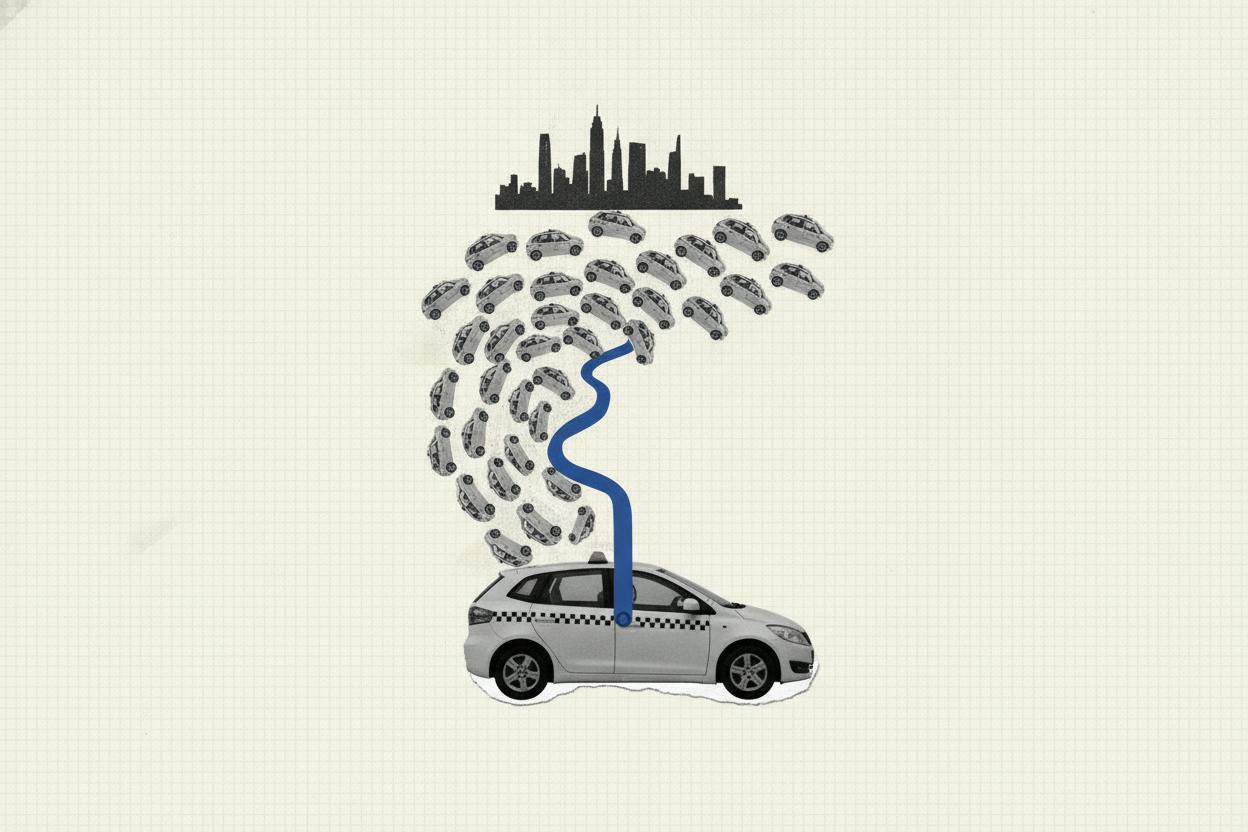
Autonomous driving technology firm Momenta Global is plotting a major expansion of its robotaxi business, with plans to put several thousand self-driving vehicles on roads by the end of 2027, according to Reuters. The company, which currently operates more than 100 robotaxis across three countries, also named Dubai as its next market, with a launch targeted for next year.
The move marks a significant scaling up for Momenta, which has been developing autonomous driving software and testing its technology in real-world conditions. Reuters, citing the company's robotaxi business head Xie Shuo, said Momenta expects its fleet to reach the hundreds by the end of this year before jumping into the thousands.
Why scale matters in robotaxis
For autonomous driving companies, expanding the number of vehicles on the road is about more than just bragging rights. Each new city and each additional vehicle generates data that helps improve the software's ability to handle different traffic patterns, road rules, and unpredictable situations. The more miles the system logs, the better it can cope with the edge cases that often trip up self-driving technology.
Momenta's strategy appears to be as much about operations as it is about software. By entering new markets like Dubai, the company can demonstrate that its system works beyond the familiar streets of its home base. Dubai, with its modern infrastructure and favorable regulatory environment for autonomous vehicles, has become a popular testing ground for self-driving companies looking to expand internationally.
The company's current footprint spans three countries, though the brief does not specify which ones. The jump from roughly 100 vehicles to several thousand would represent a major operational challenge, requiring not just more cars but also the support infrastructure—maintenance, charging, and remote monitoring—that keeps a robotaxi fleet running safely.
What this means for investors
For everyday investors, Momenta's expansion plans are a reminder that the autonomous driving race is heating up. The sector has seen significant investment and attention, with companies like AI playing an increasingly large role in markets. While Momenta is not publicly listed on major US exchanges, its progress could have ripple effects for investors in other autonomous driving stocks, suppliers, and technology companies.
The robotaxi business model is still unproven at scale. Companies in this space have faced regulatory hurdles, technical setbacks, and high costs. However, the potential payoff is enormous: if self-driving taxis can operate safely and profitably, they could disrupt the ride-hailing industry and reshape urban transportation.
Investors should watch how Momenta executes on its expansion timeline. Meeting the 2027 target would require not just technological reliability but also regulatory approvals in new markets and the ability to manufacture or source thousands of vehicles. Delays or setbacks could signal broader challenges for the industry.
The Dubai launch next year will be a key test. Success there could pave the way for further international expansion, while any issues could slow the company's momentum. For investors, the lesson is to treat these announcements with cautious optimism—ambitious targets are common in the autonomous driving space, but execution is what ultimately matters.
As the industry evolves, keep an eye on how Momenta's progress compares with competitors and whether the company can translate its technology into a sustainable business. The road to thousands of robotaxis is long, but Momenta is signaling it intends to drive.