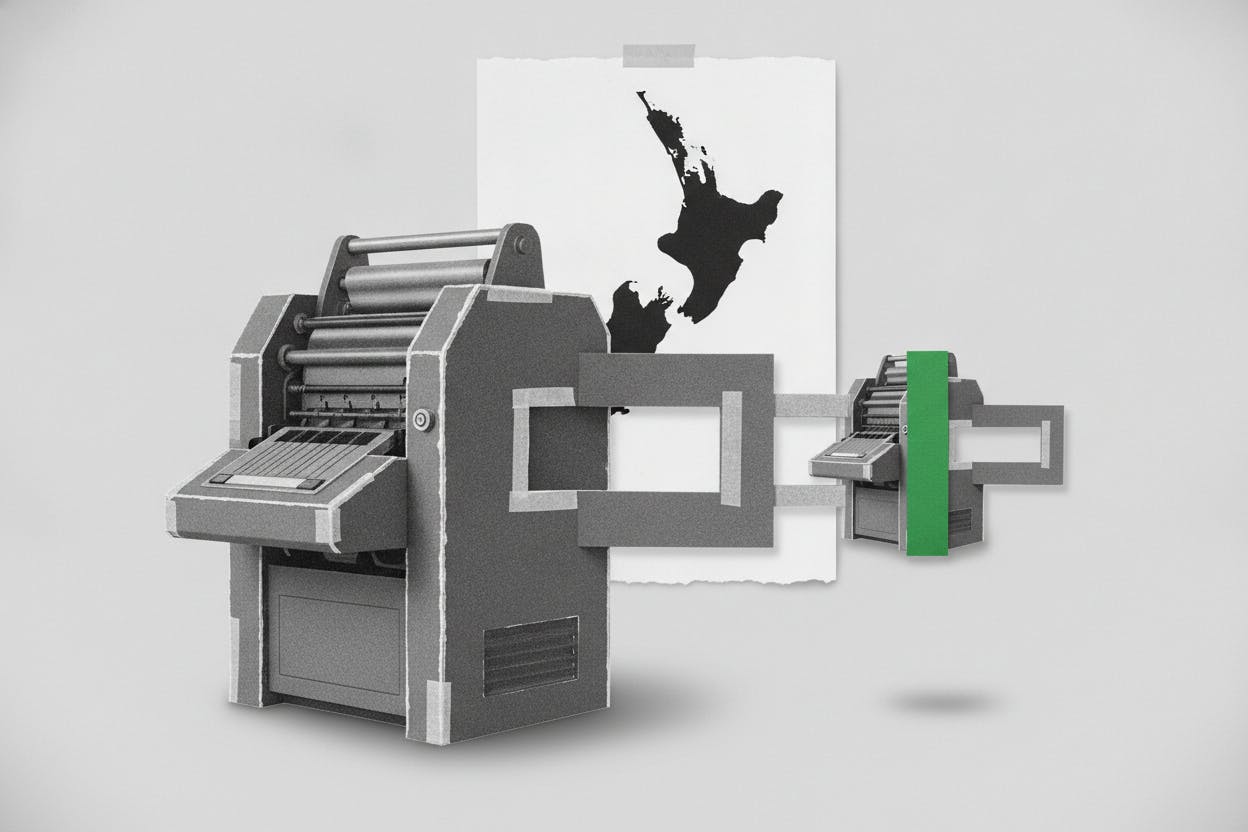
New Zealand media publisher NZME is taking a practical step to cut costs in its print operations: it's buying the print equipment from rival Stuff's Petone site. The company plans to move that gear to a new facility and use it to produce its newspapers with a smaller, more efficient setup.
In a filing to the ASX and NZX, NZME said it will take ownership of the Petone equipment, begin removing it later this year, and then relocate, install, and commission it as part of a managed transition. The company expects to spend up to NZ$15 million over two years, and says the cash outlay should pay for itself within the following three years.
Why this deal matters
Print media has been under pressure for years as readers and advertisers shift online. For NZME, which publishes titles like the New Zealand Herald, the challenge is to keep print profitable while investing in digital growth. Buying used equipment from a competitor is a classic way to cut capital costs—rather than buying brand-new presses, NZME gets proven machinery at a lower price.
The Petone site is owned by Stuff, one of NZME's main rivals. The deal is notable because it involves a competitor selling off assets that are no longer core to its business. For Stuff, the sale frees up cash and reduces the burden of maintaining a large print facility. For NZME, it's a chance to consolidate its printing operations and lower ongoing costs.
According to the company, the new setup should deliver about NZ$7 million in annual operating savings once the equipment is installed and running. That's a meaningful number for a company that has been working to protect margins in a tough advertising environment.
What it means for investors
For everyday investors, this deal is a sign that NZME is serious about managing costs. The NZ$15 million investment is not small, but the company expects it to pay back within three years—a relatively quick return. If the savings materialise as planned, they could boost the company's bottom line and support its ability to pay dividends or invest in digital initiatives.
However, there are risks. Moving and reinstalling heavy printing equipment is a complex logistical job. Delays or unexpected costs could eat into the projected savings. Also, the print industry's decline is not guaranteed to slow, so even with lower costs, revenue from print advertising and circulation could keep falling.
Investors should also consider the broader context. NZME's move comes as New Zealand shares have been slipping amid global caution and geopolitical tensions. That environment can make cost-cutting stories more appealing, but it also highlights the challenges facing media companies everywhere.
The deal is part of a wider trend of companies streamlining operations to stay competitive. For instance, Kyndryl's turnaround has hit a speed bump as costs rise, showing that even tech services firms struggle with efficiency. And Hikma's profit slipped on statutory costs despite higher revenue, a reminder that cost control is a universal challenge.
What to watch next
Investors will be watching for details on the timeline and any potential hiccups. NZME said it will begin removing the equipment later this year, with installation and commissioning to follow. The company hasn't given a specific date for when the new facility will be fully operational, but the two-year spending window suggests a gradual transition.
Another thing to watch is how the market reacts. The announcement was made via a regulatory filing, which is standard for a deal of this size. If the savings are delivered on schedule, it could be a positive catalyst for the stock. If not, it could weigh on sentiment.
For those new to investing, it's worth understanding that companies often make these kinds of efficiency moves to protect profitability. When a company says it will spend money to save money, the key question is whether the promised savings actually happen. In this case, NZME has a clear target: NZ$7 million in annual savings. That's a concrete number that investors can measure against future results.
Overall, this deal is a sensible, if unglamorous, move for a media company navigating a difficult industry. It won't transform NZME overnight, but it could help the company stay competitive and keep its print operations viable for years to come.