Oil and natural gas prices were on the rise before Wednesday's opening bell, giving a lift to energy-focused exchange-traded funds (ETFs) even as one of the sector's biggest names stumbled on its earnings report.
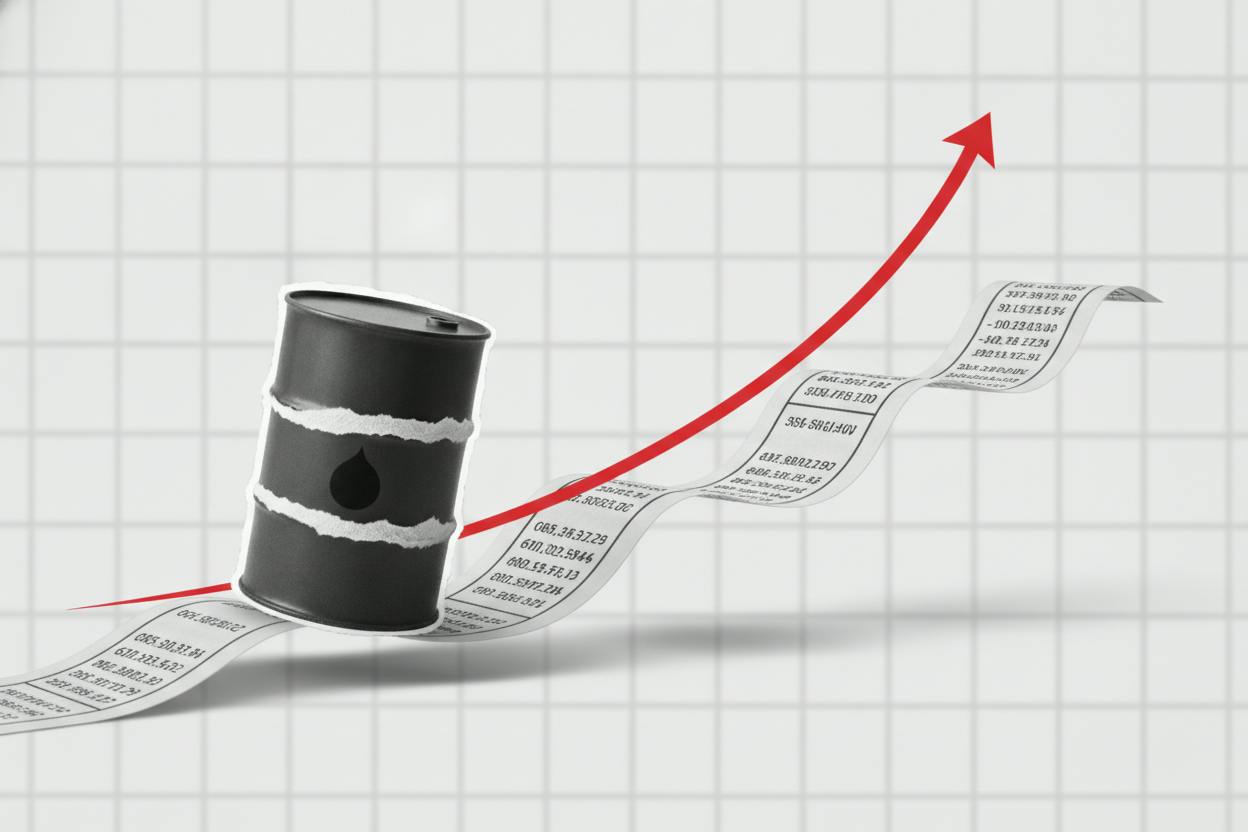
Front-month West Texas Intermediate (WTI) crude climbed 1.4% to $87.25 a barrel, while Brent crude, the international benchmark, gained 1.5% to $92.82. Natural gas futures also moved higher, rising 2% to $3.36 per million British thermal units (MMBtu).
The gains rippled through the energy complex. The Energy Select Sector SPDR Fund (XLE), which tracks large U.S. energy companies, traded about 1% higher in pre-market action. The United States Natural Gas Fund (UNG) rose 1.9%, reflecting the strength in gas futures.
Why higher commodity prices matter for energy stocks
For energy producers, the price of the underlying commodity is the single biggest driver of revenue and profit. When crude or natural gas prices rise, it generally means stronger cash flows for companies that extract and sell those fuels. That's why a jump in benchmarks tends to lift the whole sector, from integrated giants to independent drillers and pipeline operators.
But the relationship isn't always one-to-one. Energy companies also hedge their production, lock in prices for future output, and face their own cost pressures. So while a higher oil price is a tailwind, it doesn't guarantee every company in the sector will move in lockstep.
That was evident on Wednesday. Brazil's state-controlled oil producer Petrobras fell more than 3% after reporting third-quarter net income that came in weaker than analysts had expected. The company's results were a reminder that firm-specific earnings can outweigh the day's commodity tape, even when the broader sector is rallying.
Petrobras has been in the spotlight recently, with investors watching its spending plans and dividend policy closely. The company's stock is listed on U.S. exchanges through American depositary receipts (ADRs), so its moves can influence sentiment across the energy sector.
What the move means for commodity ETFs
For everyday investors, the appeal of commodity ETFs like the United States Oil Fund (USO) and UNG is that they offer a simple way to gain exposure to oil and gas prices without trading futures contracts directly. But it's important to understand how these funds work.
USO and UNG don't hold physical barrels of oil or gas in storage. Instead, they invest in near-dated futures contracts — agreements to buy or sell a commodity at a set price on a future date. As those contracts approach expiration, the funds sell them and buy new ones with later expiration dates. This process is known as "rolling" the position.
That's where "roll yield" comes in. If the futures curve is in contango — meaning later-dated contracts cost more than the front month — the fund is selling low and buying high, which can act as a steady drag on returns. Conversely, if the curve is in backwardation — later contracts cheaper than the front month — the roll can add to returns.
This is why USO and UNG can end up lagging or beating the spot price of oil or gas over time, even when headline prices are rising. For investors holding these funds for weeks or months, the roll yield can be just as important as the daily price move.
What to watch next
Energy markets remain sensitive to a range of factors, including global supply and demand, geopolitical tensions, and decisions by major producers like OPEC+. Traders will also be watching inventory data and economic indicators that can signal future demand.
For investors, the key takeaway is that energy ETFs can be a convenient way to play commodity price moves, but they come with nuances that go beyond simply tracking the spot price. And as Petrobras showed, even in a rising commodity environment, individual company fundamentals still matter.
If you're considering energy exposure, it's worth understanding both the commodity cycle and the specific risks of the funds or stocks you're looking at. As always, diversification and a long-term perspective remain important tools for navigating the ups and downs of any sector.