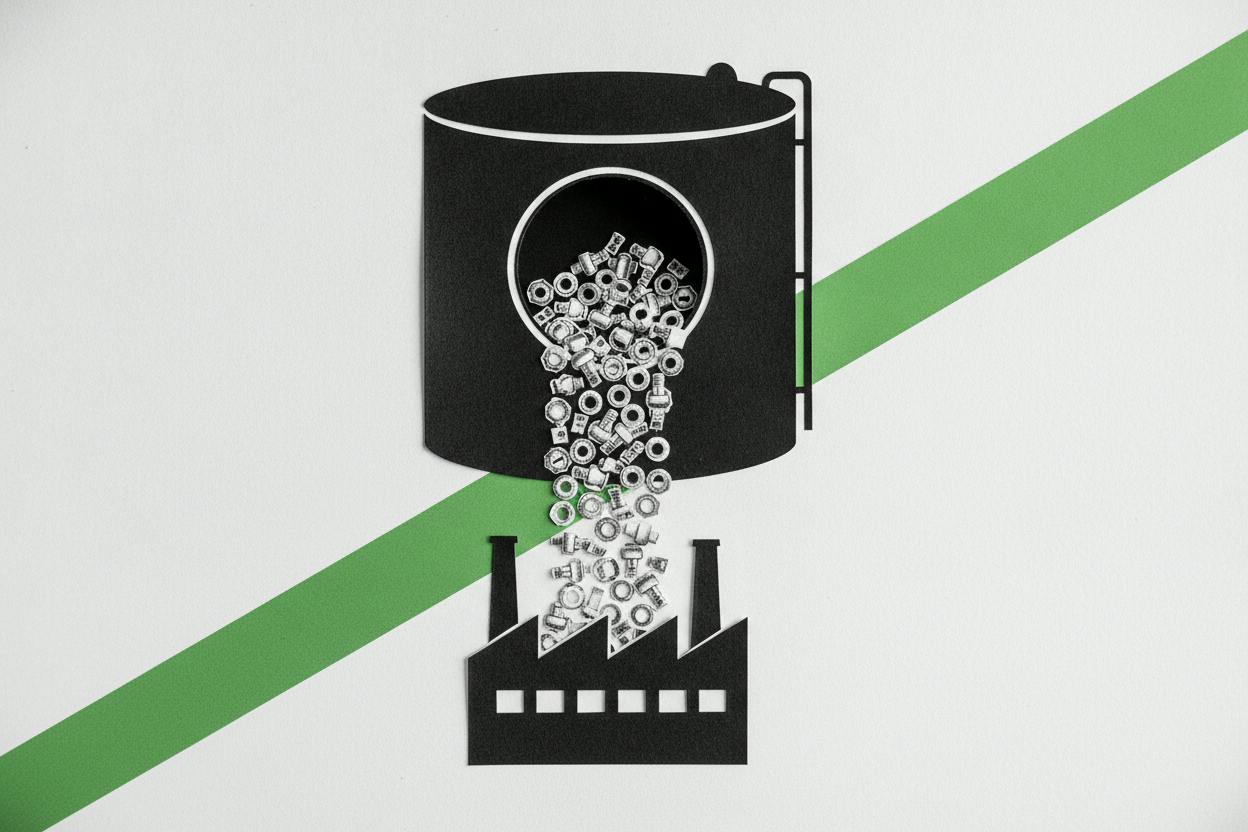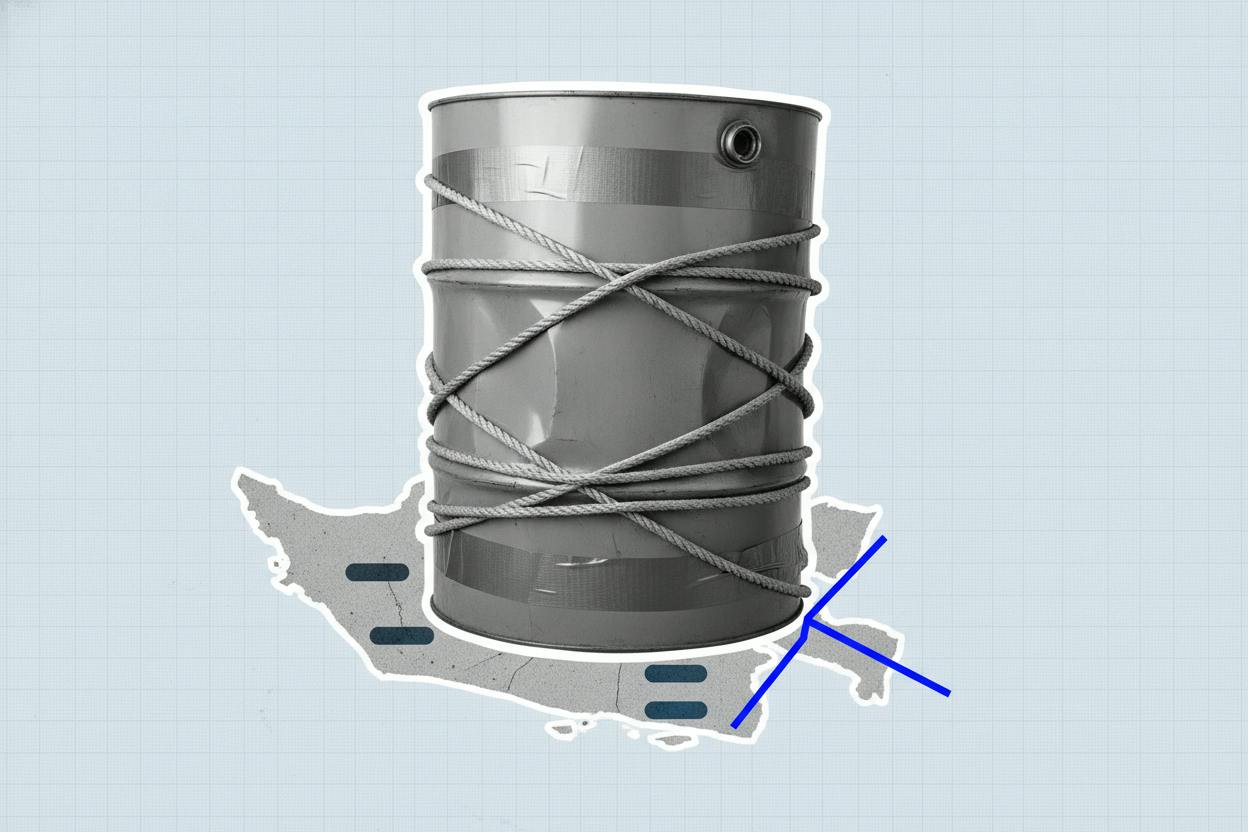
Italy's state-controlled gas grid operator Snam has confirmed it is in exclusive talks to sell its Agri Biomethane business, a move driven more by regulatory requirements than a sudden change in strategy. Reuters reported that Italian infrastructure fund F2i and biogas developer Femo Gas are among the parties in discussions, with two people familiar with the matter valuing the two biomethane units at €400 million to €500 million.
Why is Snam selling?
Snam operates a large portion of Italy's natural gas transmission network. Under Italian market rules, grid operators are required to divest businesses that are not directly related to their core regulated activities, such as biomethane production. This separation is designed to prevent conflicts of interest and ensure fair competition in the energy market. As a result, the sale of the Agri Biomethane unit is part of a compliance process rather than a reaction to market conditions.
Snam said the Agri Biomethane deal is in its final stage, while the sale of a second unit, Waste Biomethane, is expected to take longer. The two units together could fetch between €400 million and €500 million, according to sources, providing a clear benchmark for what these renewable-gas assets might be worth as stand-alone businesses.
What does this mean for Snam's financials?
The rest of Snam remains heavily reliant on its regulated operations. The company reported adjusted core profit of €2.40 billion for the first nine months of the year, up 11% year-on-year and roughly in line with the €2.36 billion consensus compiled by LSEG. This figure underscores that the core business—transporting gas through its network—continues to generate steady, predictable earnings.
Stripping out biomethane shifts Snam's profile toward a classic regulated utility. Investors in such companies typically focus on allowed returns and stable cash flows rather than faster-growing "transition" projects. This means the €400-500 million range becomes a useful "real-deal" yardstick for other biomethane assets that potential buyers might evaluate, as noted by market analysts.
What it means for investors
For investors, the sale is not just about the cash proceeds. It signals a clearer focus on Snam's regulated core, which could make its earnings more predictable and its valuation more comparable to other European gas grid operators. The divestment also reduces exposure to the more volatile renewable gas market, which may appeal to risk-averse investors.
However, the sale also means Snam will lose a potential growth avenue in the energy transition. Biomethane is seen as a lower-carbon alternative to natural gas, and some investors might have viewed it as a way for Snam to participate in the green energy shift. By selling these units, Snam is effectively betting that its regulated network business will remain the primary driver of value.
The deal also highlights the broader trend of infrastructure funds and specialized developers acquiring renewable gas assets. F2i, an Italian infrastructure fund, and Femo Gas, a biogas developer, are likely attracted by the stable, long-term cash flows that biomethane production can offer, especially with government incentives in place.
For everyday investors, this news is a reminder that regulatory requirements can shape corporate strategy. When a company is forced to sell assets, the impact on earnings and growth prospects can be significant. It's worth watching how Snam deploys the proceeds from the sale—whether it returns cash to shareholders, pays down debt, or invests in other regulated projects.
The broader market context is also relevant. With interest rates still elevated, utilities with regulated returns are often seen as bond proxies, offering relatively stable dividends. Snam's focus on its core network could make it more attractive to income-focused investors.
As the sale progresses, investors will be watching for the final price and the timeline for the Waste Biomethane divestment. The €400-500 million range provides a baseline, but the actual terms could vary depending on negotiations and due diligence.
In the meantime, Snam's adjusted core profit growth of 11% shows that its regulated business remains healthy. This, combined with the potential cash influx from the biomethane sales, could support the company's financial flexibility.
For those interested in the energy sector, this deal is a case study in how grid operators are adapting to regulatory pressures while trying to maintain growth. It also underscores the growing value of renewable gas assets in Europe's push to decarbonize its energy system.
As always, investors should consider how such corporate actions fit into their overall portfolio strategy, rather than reacting to headlines alone.