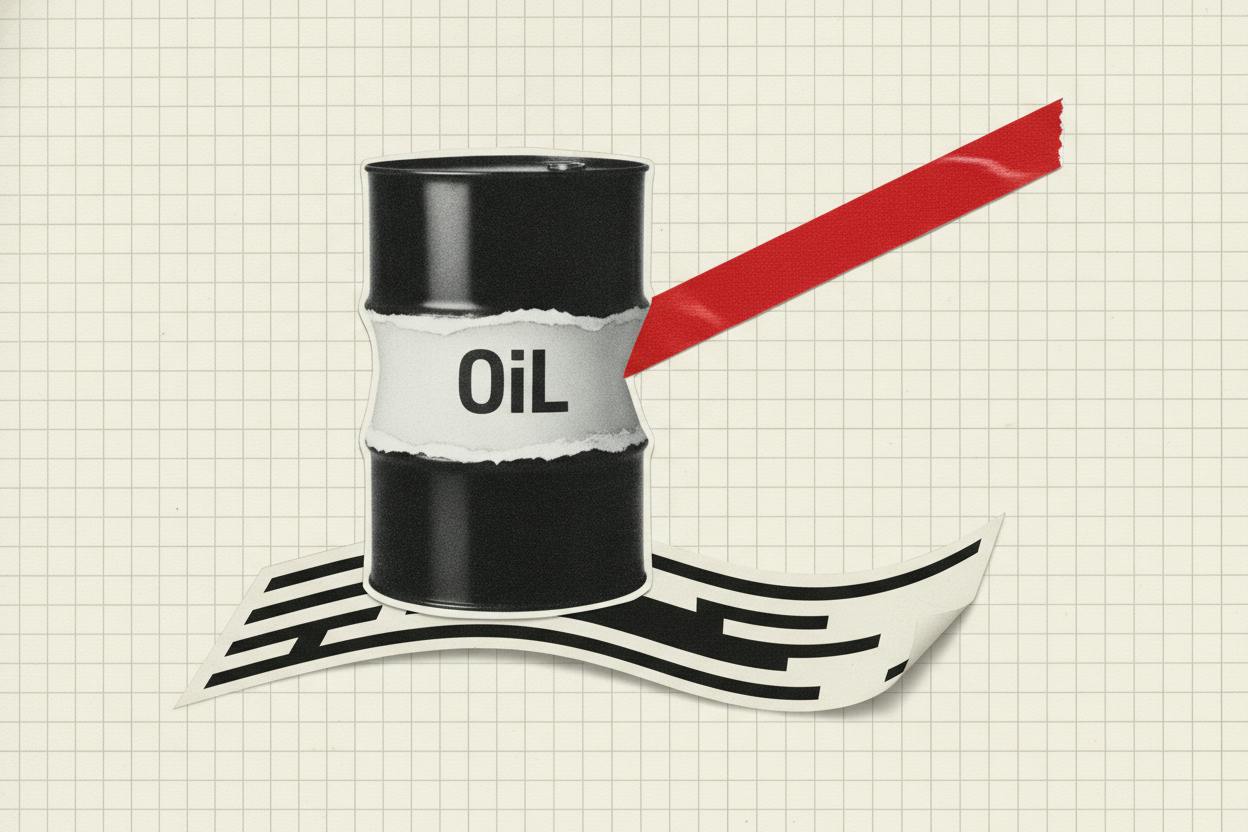
Oil prices rose more than 1% on Monday after President Donald Trump rejected Iran's peace offer, a move that kept geopolitical tensions in the Middle East front and center for investors. The jump in crude added to an already cautious mood in financial markets, with government bonds under pressure ahead of a week packed with economic data.
Why oil is moving markets
Crude oil is more than just a commodity; it's a barometer of geopolitical risk. When tensions flare in the Middle East, traders immediately factor in the possibility of supply disruptions, especially if the conflict threatens key shipping routes like the Strait of Hormuz. A significant share of the world's oil passes through that narrow waterway, so any escalation between the US and Iran tends to push prices higher.
The latest move came after President Trump rejected a peace offer from Iran, signaling that diplomatic efforts may not be progressing as some had hoped. That rejection reversed some of the calm that had settled over markets in recent days, when talk of a possible deal had helped pull oil prices back from earlier highs.
For context, oil had spiked sharply in previous sessions—at one point touching $107 a barrel—before retreating on hopes of a negotiated settlement. Monday's rebound shows how quickly sentiment can shift when headlines change.
What higher oil means for bonds and inflation
The ripple effects of rising crude are most visible in the bond market. When oil prices climb, investors often raise their short-term inflation expectations, because higher energy costs can feed into shipping, manufacturing, and ultimately consumer prices. That's why bond yields tend to move higher when oil jumps—investors demand more compensation for the risk that inflation runs hotter than expected.
This dynamic is especially relevant now, with central banks trying to gauge whether inflation is truly under control. A sustained rise in oil could complicate that picture, potentially delaying interest rate cuts or prompting tighter policy. For everyday investors, that means higher borrowing costs on mortgages, car loans, and credit cards could persist longer than hoped.
The bond market's reaction on Monday was telling: yields edged up, reflecting the renewed inflation worry. This comes at a time when high US yields are already pressuring emerging markets, as investors seek safer returns in dollar-denominated assets.
A busy week of economic data
Adding to the tension is a heavy calendar of economic releases this week. Investors will be parsing the latest inflation figures, jobs data, and consumer spending numbers for clues about the health of the economy and the path of interest rates. Any surprises could move markets significantly, especially with oil already injecting uncertainty into the inflation outlook.
For bonds, the data will be crucial. If inflation comes in hot, yields could rise further, putting more pressure on stocks and emerging markets. If the numbers are cooler, it might ease some of the anxiety and give central banks room to consider rate cuts later in the year.
This week's data also comes against a backdrop of emerging markets that have shown resilience despite high US yields and oil prices. But that resilience could be tested if oil keeps climbing and yields keep rising.
What it means for investors
For the average investor, the key takeaway is that oil is not just a headline risk—it has real consequences for portfolios. Higher energy prices can squeeze corporate profit margins, especially for airlines, shipping companies, and manufacturers. They also hit consumers at the pump, reducing discretionary spending.
At the same time, the bond market's reaction to oil matters for anyone holding fixed-income investments. Rising yields mean falling bond prices, which can hurt bond funds and ETFs. Conversely, if oil retreats and inflation fears ease, bonds could rally.
Diversification remains a useful shield. Having a mix of stocks, bonds, and perhaps some commodities can help cushion the impact of oil-driven volatility. But it's also wise to keep an eye on how much energy exposure your portfolio already has—many broad stock indexes include energy companies, so you might be more sensitive to oil swings than you think.
Geopolitical events are notoriously hard to predict, and oil prices can reverse quickly on a single headline. That's why financial advisors often suggest staying the course rather than making impulsive moves based on daily news. The situation in the Middle East is fluid, and markets will likely remain on edge until there's more clarity on the diplomatic front.
In the meantime, this week's economic data will provide a fresh read on the economy, and investors will be watching closely to see whether the oil-driven inflation scare is justified or just a temporary blip.