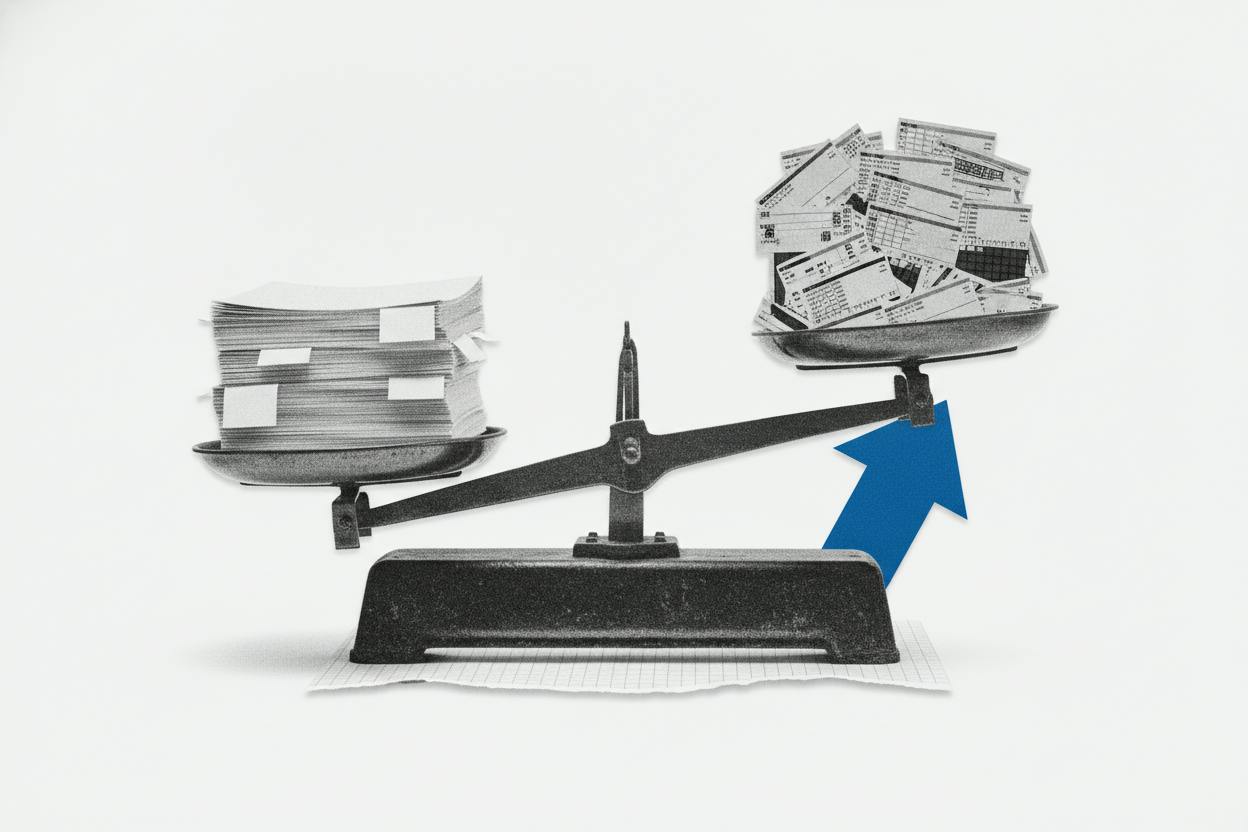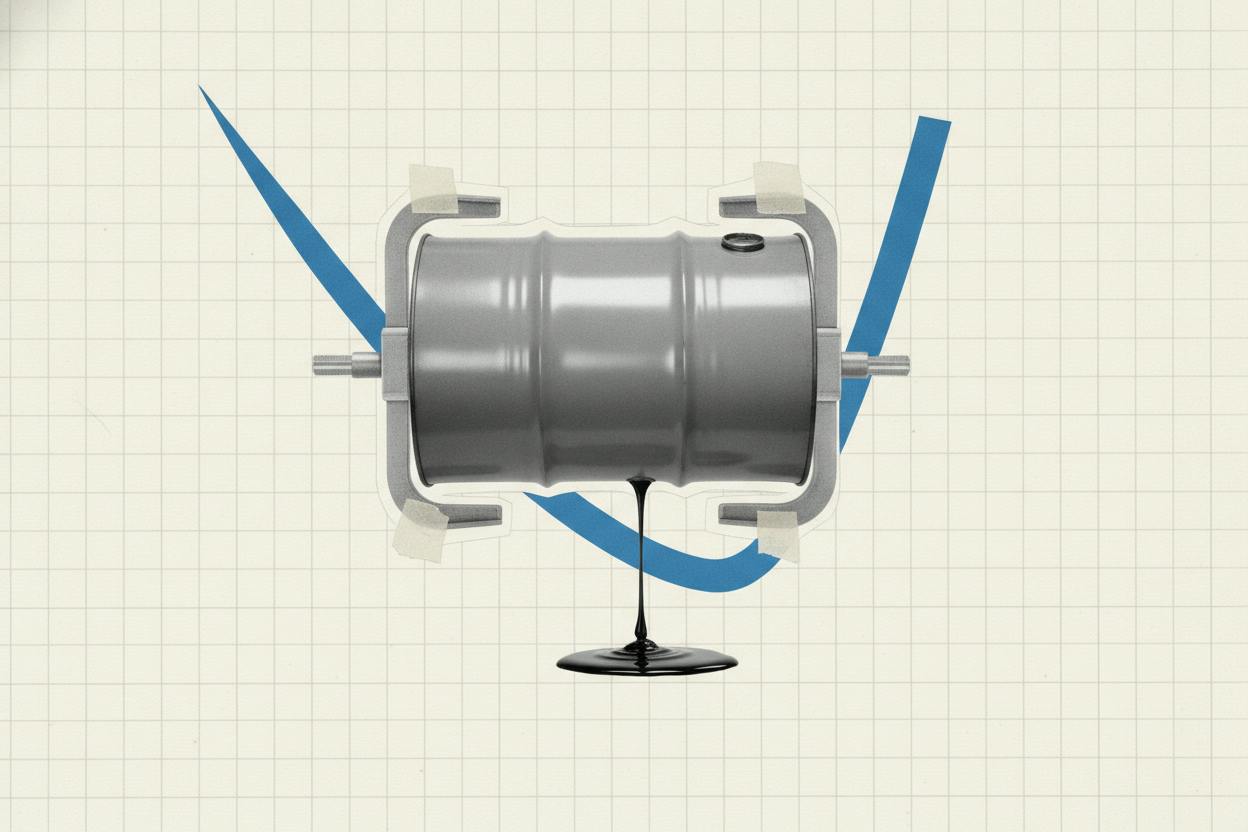
Oil prices edged higher on [day] after the International Energy Agency (IEA) said the global oil market is still on track for a supply deficit through the end of the year. In its monthly report, the agency said that “oil market balances are forecast to remain in deficit” through year-end, a signal that the world will consume more crude than it produces over the coming months.
That near-term squeeze helped traders look past the IEA's softer demand outlook. The agency now expects global oil demand to fall by 2.5 million barrels per day in the fourth quarter compared with a year earlier, and to average a decline of 2.6 million barrels per day in 2026. Those are notable drops, but the report's central message was that supply is still lagging demand for now.
What is a supply deficit?
A supply deficit simply means that the amount of oil being pumped and shipped is less than the amount being used. When that happens, inventories—the stored reserves that act as a buffer—shrink. Shrinking inventories tend to put upward pressure on prices, because buyers have to compete for a smaller pool of available crude.
The IEA's forecast of a deficit through year-end suggests that, despite weakening demand, production cuts and other supply constraints are still the dominant force in the market. This is why oil prices inched up on the news: traders focused on the immediate imbalance rather than the longer-term demand slowdown.
Why demand is expected to fall
The IEA's demand forecast points to a cooling global economy and changing energy use patterns. In the fourth quarter, demand is expected to drop by 2.5 million barrels per day year-over-year, and the agency sees a similar average decline in 2026. That kind of slowdown often reflects weaker industrial activity, more efficient vehicles, and a continued shift toward renewable energy in some regions.
It's worth noting that the IEA's demand numbers are forecasts, not certainties. Actual consumption can change with economic growth, weather, and policy decisions. Still, the agency's outlook is closely watched by traders and analysts as a benchmark for where the market is headed.
What it means for investors
For everyday investors, the key takeaway is that oil prices are being pulled in two directions. On one hand, the near-term supply deficit supports prices. On the other, the expected drop in demand could weigh on prices later this year and into 2026. That tension is likely to keep oil markets volatile.
If you hold energy stocks or funds, a persistent supply deficit can be supportive for oil prices, which often translates into stronger revenues for producers. But if demand falls as sharply as the IEA projects, that support could fade. Investors should watch for signs of whether the deficit actually materializes or if demand weakens faster than expected.
Oil prices also have broader implications. Higher oil prices can feed into inflation, as we saw earlier this year when gasoline prices surged and pushed up the consumer price index. That, in turn, can influence central bank policy and interest rates, which affect everything from mortgages to stock valuations.
For those with diversified portfolios, oil's moves are just one piece of the puzzle. But for anyone with exposure to energy or commodities, the IEA's report is a reminder that supply and demand dynamics are constantly shifting.
Broader commodity context
The oil market isn't the only one dealing with supply tightness. Copper prices have been climbing on mine disruptions in Chile, and cocoa prices jumped on dry weather in West Africa. These moves show that supply concerns are a recurring theme across commodities, often driven by geopolitics, weather, or operational issues.
In the oil market specifically, the next few months will be crucial. If the deficit holds, prices may stay supported. But if demand weakens more than expected, the balance could shift quickly. Investors should keep an eye on inventory data and any changes in production policy from major exporters.
Ultimately, the IEA's report is a snapshot of a market in flux. The near-term picture is one of tight supply, but the longer-term outlook is clouded by falling demand. For investors, that means staying informed and not overreacting to any single report.